Advertising Disclosure
Nano Hydroxyapatite Toothpaste vs Fluoride: Comparison Guide
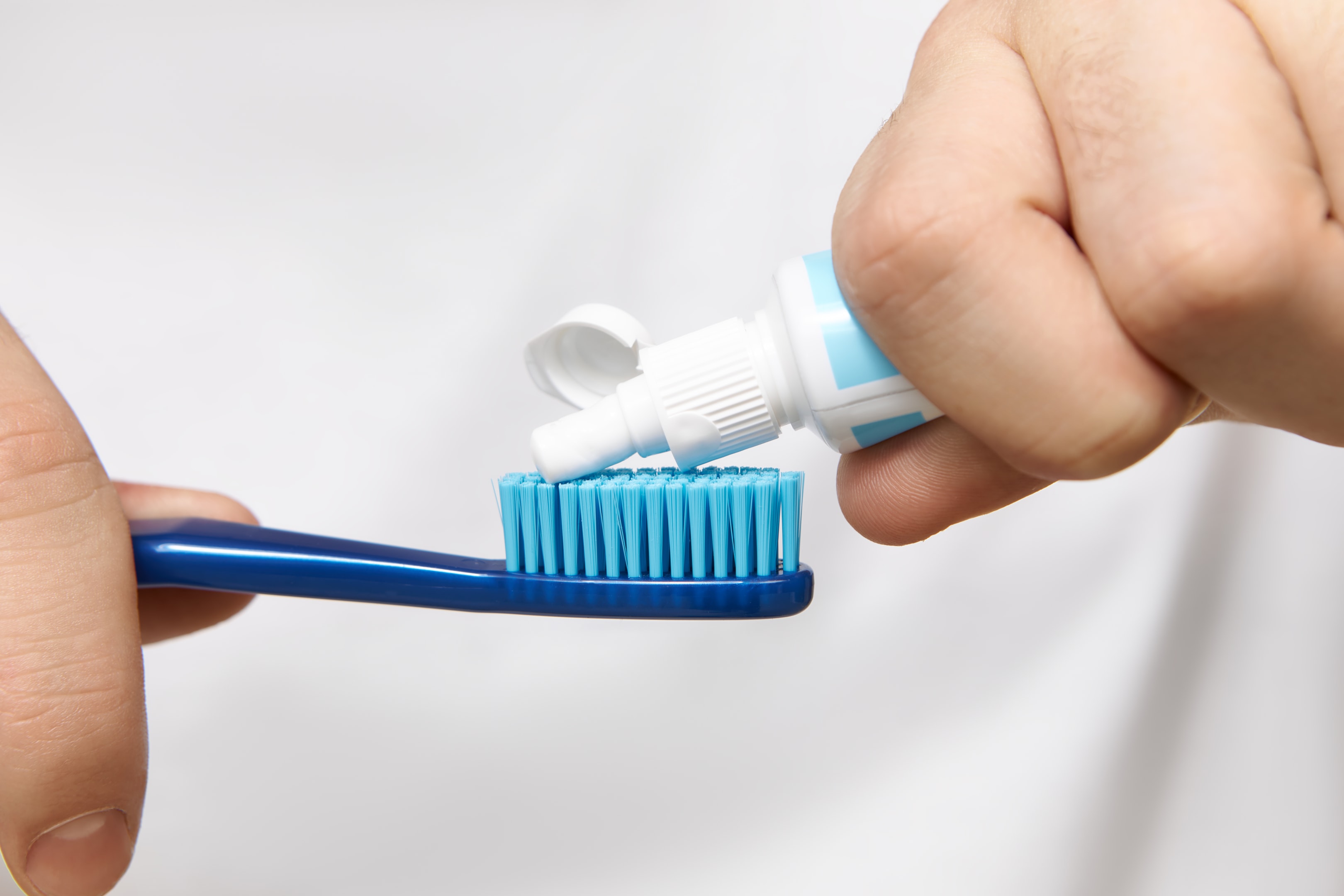
Have you heard about nano hydroxyapatite toothpaste and wondered how it compares to traditional fluoride toothpaste? If you’re searching for answers about nano hydroxyapatite toothpaste vs fluoride (hydroxyapatite vs fluoride), both are popular options for protecting teeth, but they work in different ways. If you are curious which one is better for cavity prevention and enamel remineralization and overall enamel strength, this guide will break down the key differences, benefits, and safety considerations of each so you’ll know what’s best for your oral health and overall dental care.
What is Nano Hydroxyapatite Toothpaste?
Nano hydroxyapatite toothpaste (often called nHA toothpaste or simply nha toothpaste) is a dental care product that contains a biocompatible, synthetic form of the calcium-based mineral that makes up about 97% of tooth enamel and 60–70% of bones. Its tiny nanoscale particles penetrate deep into tooth pores and on the tooth surface, repairing damaged areas and creating a protective barrier against tooth decay and erosion.
Nano hydroxyapatite is known to be a biomimetic material that mimics the naturally occurring mineral structure of human teeth and bone—a mineral found naturally in our bodies. When used in supplements or dental products like hydroxyapatite toothpaste, it effectively strengthens tooth enamel, repairs microscopic cracks, reduces sensitivity in people with sensitive teeth, and promotes enamel remineralization.
Benefits of Nano Hydroxyapatite Toothpaste
Enamel Remineralization
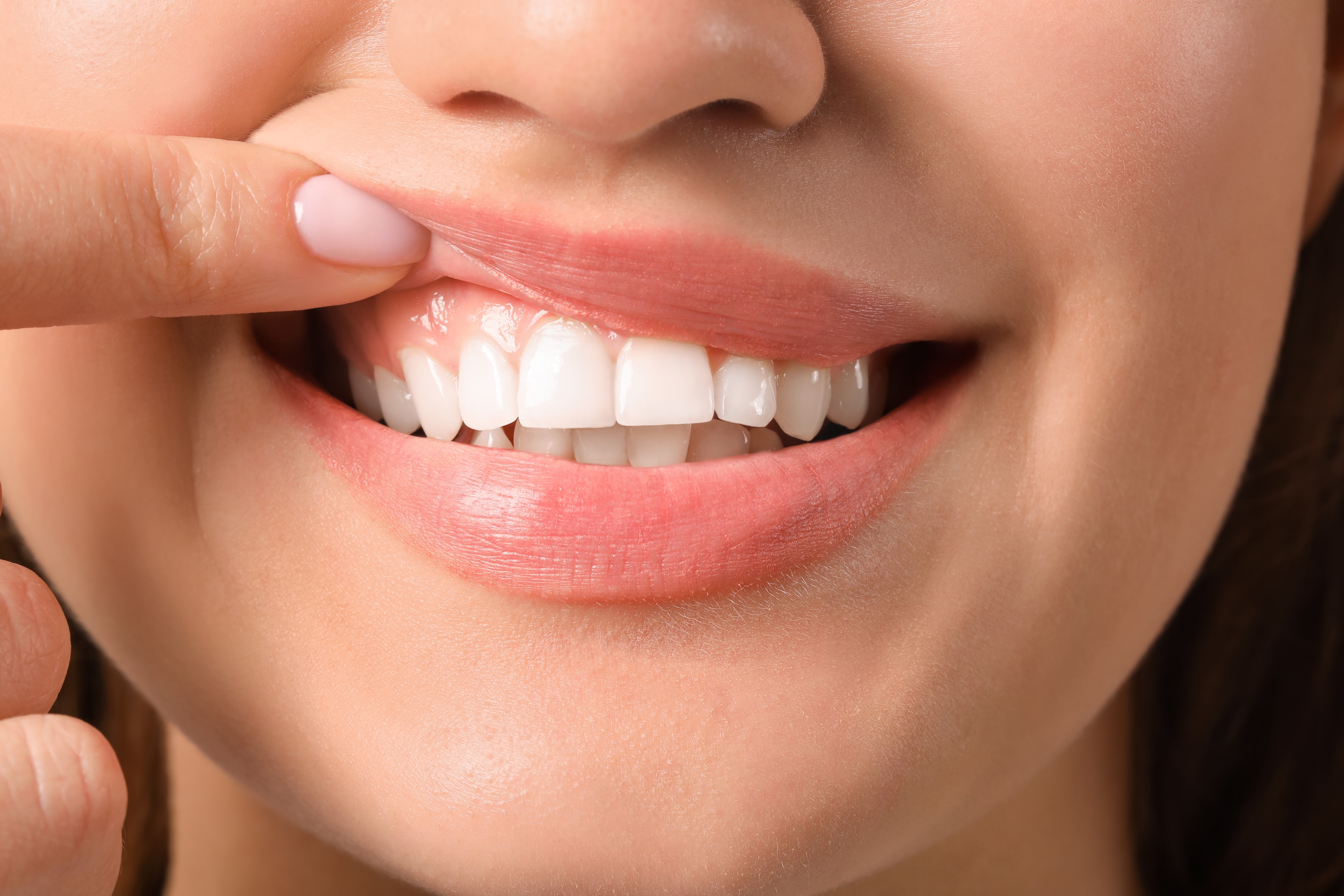
The main advantage of using nano hydroxyapatite toothpaste is it repairs and helps strengthen enamel by filling in the cracks and pores of the teeth. Nano hydroxyapatite (nHA) toothpaste contains calcium and phosphate, which help restore lost minerals from acid attacks and everyday wear, improving enamel strength over time.
Cavity Prevention
Using nano hydroxyapatite toothpaste protects the tooth enamel from acids. By doing this, plaque-forming bacteria that can result in cavities are prevented from causing damage. Nano hydroxyapatite forms a protective layer over the teeth, which helps in preventing cavities and reducing cavities by resisting acid erosion every time we eat and drink.
Reduces Sensitivity
Nano hydroxyapatite is known to seal exposed dentin tubules which are connected to the nerve. By adhering to these areas and filling in the gaps, nHA effectively blocks nerve access, which then reduces sensitivity to hot and cold foods and drinks.
Teeth Whitening
Most teeth whitening products and dental treatments use peroxide to remove stains by bleaching them. Nano hydroxyapatite works differently. It helps repair and strengthen your tooth enamel. Instead of bleaching, nHA toothpaste fills tiny cracks and restores lost minerals, making your teeth smoother, stronger, and naturally brighter, especially when it contains about 10% nHA.
Safe for Everyone
Nano hydroxyapatite was approved for cavity prevention in Japan in 1993 and is now sold worldwide. While it is not approved by the U.S. Food and Drug Administration or accepted by the American Dental Association, it’s still sold online. Generally, The Scientific Committee on Consumer Safety considers nano hydroxyapatite safe in toothpaste up to 29.5%. Lab studies show it can increase calcium levels, but cells usually balance them back to normal, and some research suggests there’s no strong evidence linking it to kidney stones.
Who Benefits from Nano Hydroxyapatite Toothpaste
Let’s find out who gains the most from regularly using nano hydroxyapatite toothpaste.
People with Sensitive Teeth
nHA helps fill tiny cracks in enamel and covers exposed dentin, reducing sensitivity to hot, cold, or sweet foods. This can be especially helpful for sensitive teeth.
Those Concerned About Early Decay
nHA repairs early enamel damage and strengthens teeth, helping prevent cavities naturally.
Adults with Worn or Eroded Enamel
Its remineralizing properties restore strength to enamel weakened by acid or wear.
Children and Safety-Conscious Users
nHA is non-toxic, making it safe for kids and those avoiding fluoride or concerned about overexposure.
Anyone Looking for a Natural Alternative
It protects and strengthens teeth without chemical bleaching or fluoride, using a material that closely mirrors a naturally occurring mineral found in tooth enamel.
What is Fluoride Toothpaste?
Fluoride toothpaste is an oral care product that primarily contains fluoride, a natural mineral found naturally in water, soil, and various foods. It strengthens tooth enamel, fights tooth decay, and reduces cavity risk. It works by attracting calcium and phosphate to rebuild enamel attacked by acids.
When we eat sugary foods, the bacteria in our mouth produce acids that erode enamel, leading to cavities. Fluoride helps neutralize these acids, promotes remineralization, and creates a protective layer on the teeth that resists future acid attacks.
Benefits of Fluoride Toothpaste
Improves Enamel Strength
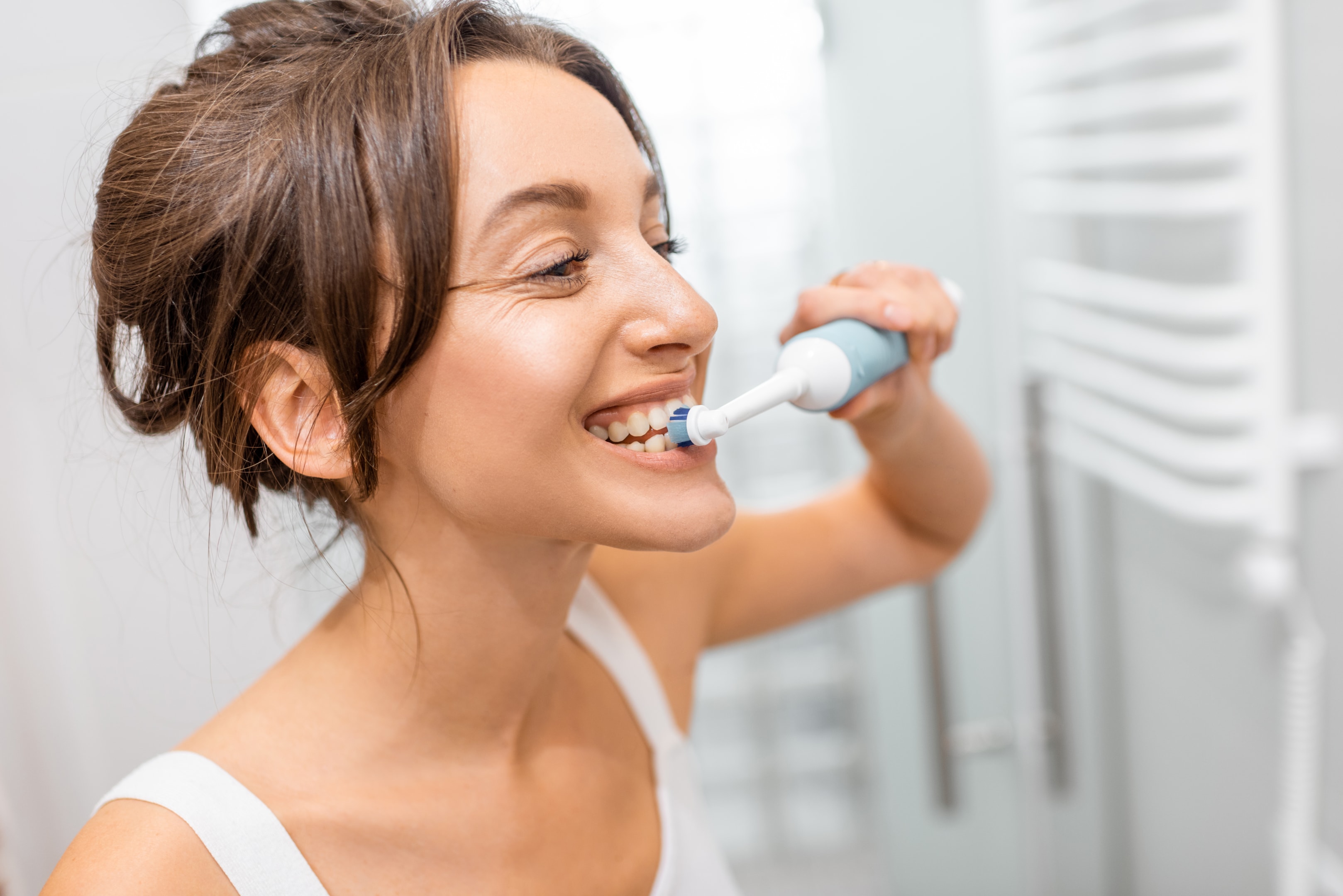
Fluoride toothpaste contains minerals that make the enamel more resistant to the acids produced by bacteria in the mouth. By reinforcing enamel, fluoride toothpaste protects teeth from erosion, reduces sensitivity, and helps maintain a smooth, strong tooth surface that is less prone to cavities and wear over time, supporting overall dental health.
Fights Cavities
Designed for cavity prevention, fluoride helps stop bacteria from turning sugar into harmful acids, which helps reduce the risk of cavities. In fact, the American Dental Association (ADA) claims that regular use of cavity prevention fluoride toothpaste can reduce the risk of cavities by up to 25%. Many people choose fluoride toothpaste for long-term cavity prevention.
Slows Down Demineralization
Fluoride toothpaste helps repair teeth and reverse early tooth decay by restoring lost minerals and strengthening the tooth surface. Through electrostatic attraction and ionic substitution, fluoride draws in essential minerals like calcium and phosphate. These minerals help rebuild enamel, fill tiny cracks, increase hardness, and support overall dental health.
Reduces Teeth Sensitivity
Fluoride helps reduce tooth sensitivity by repairing weak enamel and sealing exposed dentin, so hot, cold, or sweet foods don’t reach the nerves. It can strengthen enamel and protect against acid with continued use.
Long-Lasting Protection
When you regularly use fluoride toothpaste, the fluoride mixes with your saliva and coats your teeth. Your enamel absorbs it, bonding with natural calcium and phosphate to form fluorapatite—a strong, decay-resistant mineral that provides lasting protection against cavities and strengthens teeth over time.
Who Benefits from Fluoride Toothpaste
Let’s find out who gains the most from regularly using fluoride toothpaste.
Children and Teens
Fluoride strengthens developing teeth, reduces cavities, and protects enamel of children and teens as their teeth grow.
Adults Prone to Cavities
Regular use helps prevent new cavities and protects against enamel erosion from acidic foods and drinks.
People with Sensitive or Weak Enamel
Fluoride supports enamel remineralization, repairs early decay, strengthens teeth, and reduces sensitivity for people with weak enamel.
Those at Higher Risk of Tooth Decay
People with poor oral hygiene, dry mouth, or a high-sugar diet benefit from fluoride’s cavity-preventing properties.
Anyone Looking for Long-Term Protection
Fluoride is backed by decades of research which shows that it reduces cavities and strengthens tooth enamel.
Key Differences: Nano Hydroxyapatite Toothpaste vs Fluoride
Here’s how hydroxyapatite vs fluoride toothpaste compare at a glance.
| Feature | Fluoride | Nano Hydroxyapatite |
| Remineralization | Forms fluorapatite that resists acid | Fills in cracks and repairs enamel with nHA crystals |
| Cavity prevention | Proven, up to 25% risk reduction | Effective, studies show similar enamel repair |
| Sensitivity | Can reduce sensitivity | Reduces sensitivity by coating dentin |
| Safety | Safe in recommended doses; excess can cause fluorosis | Generally safe if swallowed, non-toxic |
| Availability | Widely available | Available worldwide, limited FDA approval in U.S. |
| Whitening | Does not have inherent whitening properties. | Smooths the surface to reflect more light for a brighter look. |
Frequently Asked Questions
How do nano hydroxyapatite (nHA) toothpaste and fluoride toothpaste work differently?
nHA rebuilds enamel by filling microscopic cracks and pores with a biocompatible mineral that closely matches natural tooth enamel, creating a protective barrier. Fluoride strengthens teeth by attracting calcium and phosphate to the surface and forming fluorapatite—a decay‑resistant mineral layer that helps teeth resist future acid attacks.
Which is better for preventing cavities?
Both help, but fluoride remains the gold standard for cavity prevention, backed by decades of research and evidence (the ADA reports cavity risk reductions of up to 25% with regular fluoride use). nHA supports cavity prevention by repairing early enamel damage and forming a protective layer, but the article positions fluoride as the most proven option for long‑term cavity defense.
Which option is better for tooth sensitivity?
nHA is especially effective for sensitivity because it seals exposed dentin tubules and fills tiny defects, blocking stimuli from reaching the nerves. Fluoride can also reduce sensitivity over time by strengthening enamel and helping repair early demineralization, but nHA is highlighted as particularly strong for immediate sensitivity relief.
Is nano hydroxyapatite safe, and is it FDA/ADA approved?
nHA is described as biocompatible and generally safe—even if swallowed—and has been approved for cavity prevention in Japan since 1993. The Scientific Committee on Consumer Safety considers it safe in toothpaste up to 29.5%. It is not approved by the U.S. FDA or accepted by the ADA, though it’s widely sold online. The article notes lab data showing temporary calcium increases that normalize and no strong evidence linking nHA to kidney stones.
Can I use nano hydroxyapatite and fluoride together, and who benefits most from each?
Yes. Some people alternate products or choose formulas that include both to combine benefits. nHA is great for those with sensitivity, early enamel wear, kids or users avoiding fluoride, and anyone seeking a natural, non‑bleaching approach. Fluoride suits children and teens with developing teeth, people prone to cavities or enamel erosion, and anyone seeking long‑term, research‑backed cavity protection.
Takeaway
Both nano hydroxyapatite (nHA) toothpaste and fluoride toothpaste are effective at protecting teeth, but they work in different ways. Nano hydroxyapatite excels at repairing enamel, filling tiny cracks, reducing sensitivity, and providing a safe, natural alternative for all ages. Fluoride, on the other hand, is proven to prevent cavities, strengthen enamel, and offer long-term protection backed by decades of research.
If you need enamel repair and sensitivity relief, nHA is a great option. But if your goal is cavity prevention and proven long-term protection, fluoride remains the gold standard. Some people even combine the benefits by alternating or choosing products that include both. Ultimately, understanding how each works can help you make the best choice for oral health and dental care while minimizing cavity risk.
Stay informed on the latest product reviews, expert tips, and helpful guides. Sign up for our weekly newsletter and follow us on social media for more updates, advice, and insights!