Advertising Disclosure
How to Plan a Weekend Getaway Without Stress

Planning a weekend getaway can be exciting, but it can also quickly turn stressful if you don’t know where to start. From choosing the right destination to organizing activities and packing efficiently, there’s a lot to think about in just a couple of days. Whether you’re aiming for a relaxing retreat or an action-packed escape, this guide will show you how to plan a weekend getaway without stress, so you can focus on enjoying every moment.
Read on for tips on choosing your destination, planning a flexible itinerary, packing smart, and enjoying a stress-free weekend getaway.
Define Your Goal
You have to decide what kind of weekend trip you want — an adventure, a relaxing escape, or a cultural experience — so you can plan activities, accommodations, and transportation that match your goals. Plan, research, and come up with ideas on what you would want to expect and experience on your vacation time.
Book Your Destination Early
Picking your target destination early on is key to reducing stress, finding better deals, and giving yourself enough time to plan activities you’ll actually enjoy. When booking your travel details, consider the distance, travel time, and your available days. Choose a perfect place that fits your interests and energy level.
Set a Realistic Budget
One of the most important factors you need to plan ahead for is your budget. Include all major expenses such as accommodation, transportation, meals, and activities.
One helpful tip is to book early or choose off-peak travel dates, as these often come with lower rates. You can also look for package deals that may include discounts or vouchers. To keep your trip stress-free, avoid overspending and stick to your planned budget as much as possible. This helps you enjoy your whole trip without worrying about unexpected expenses.
Plan Your Accommodation
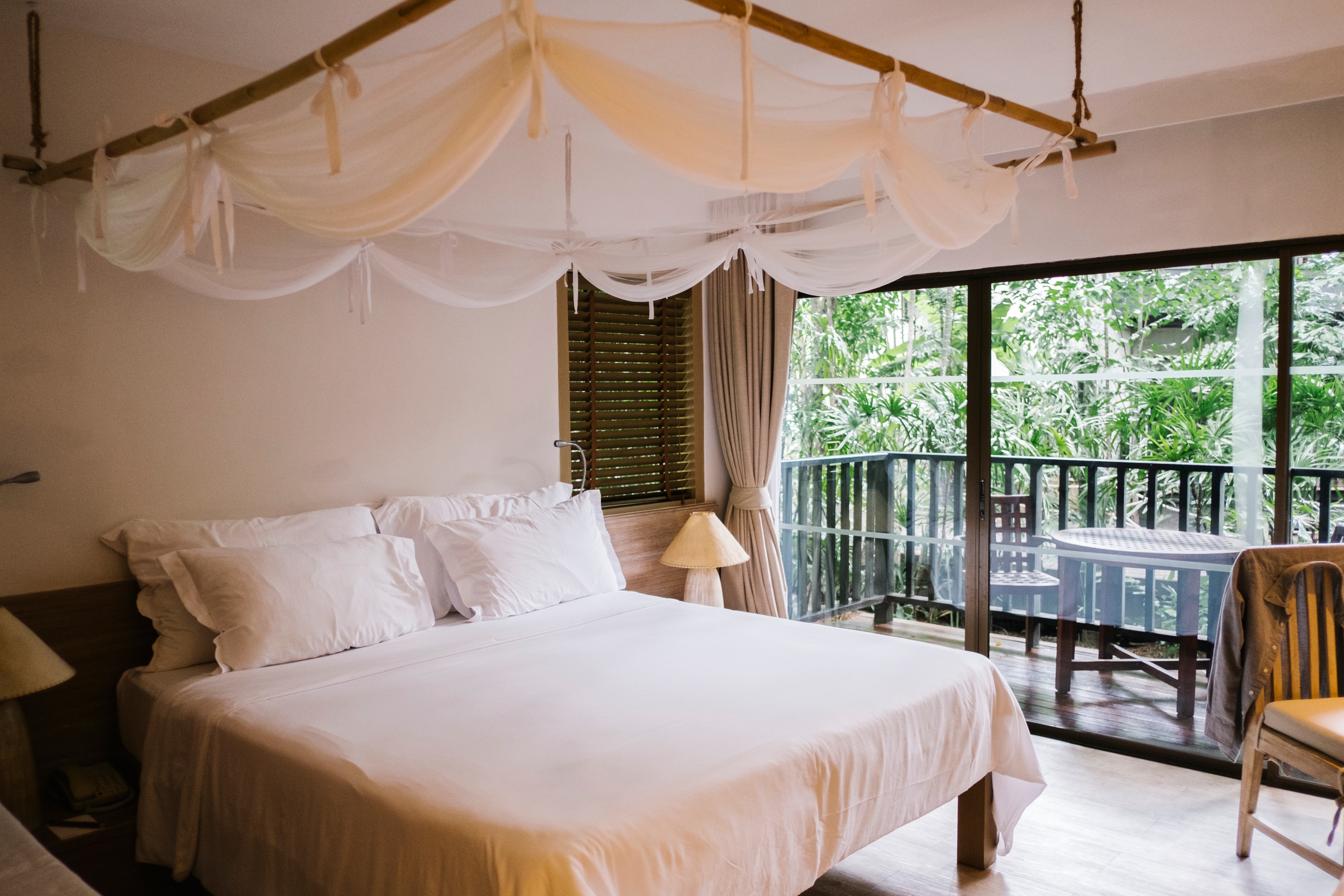
Your accommodation will depend on your destination. For example, if you are near a national park, you may want to stay in a lodge, cabin, or campsite to stay close to nature and major attractions. Stay near attractions to save time and reduce travel stress.
Consider amenities like parking area, Wi-Fi, or free breakfast to make your stay more comfortable and convenient. You may also want to check guest reviews and safety features to get the most out of your weekend trip.
Travel Light and Pack Wisely
Create a packing checklist for essentials. This will not only save you time while preparing for your weekend trip but also help you avoid forgetting important items. Don’t bring everything but only choose stuff you’ll need and use during the trip. Aside from your clothes, don’t forget to pack toiletries, comfortable shoes, and emergency supplies.
If you are going on an outdoor adventure such as camping or hiking, for instance, include items like a first-aid kit, water bottle, flashlight, and extra layers of clothing to stay safe and prepared. Use packing cubes or organizers to save space.
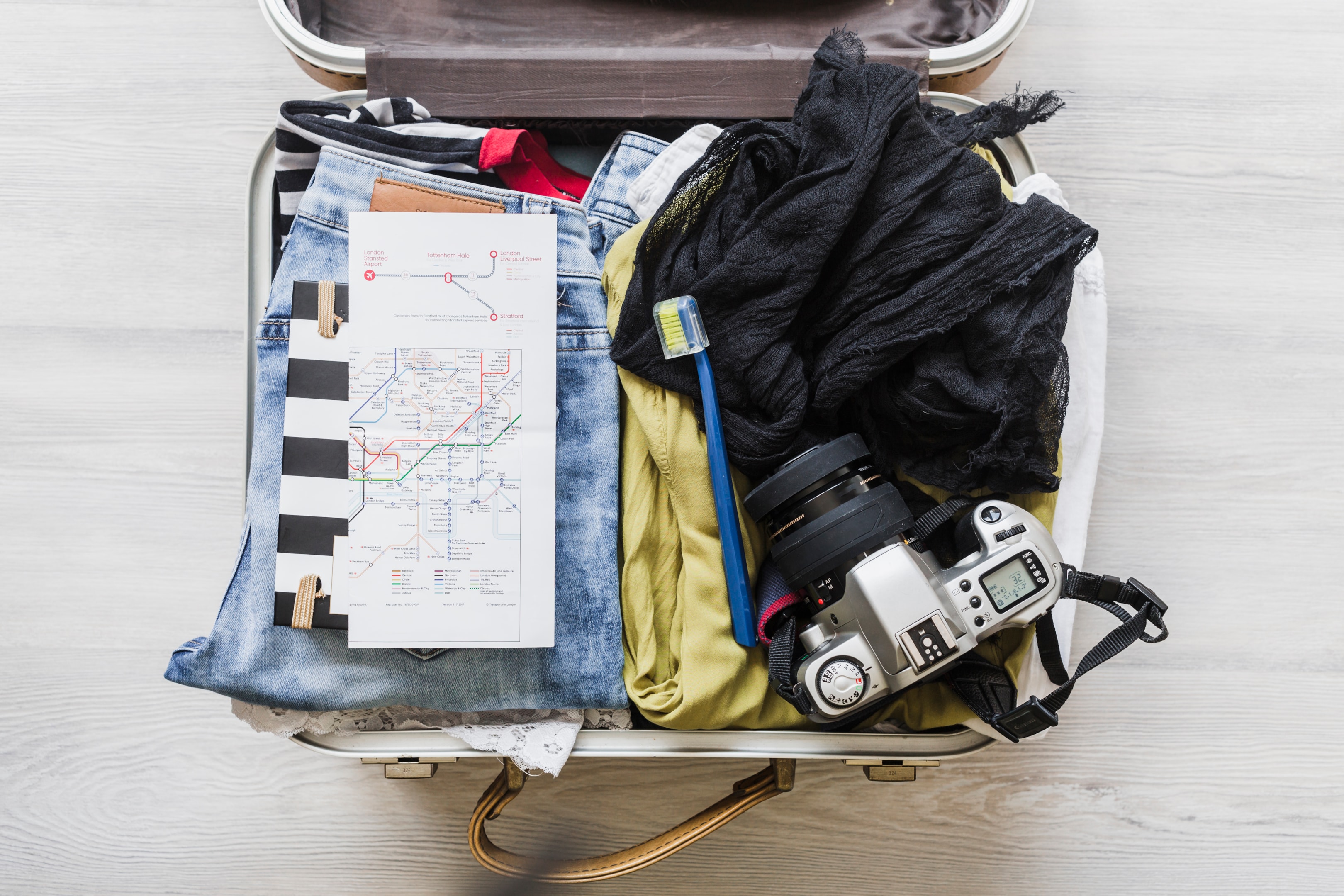
Here are some additional tips to make your weekend getaway easier:
Charge devices in advance and consider a portable power bank to stay connected.
Pack a small first-aid kit for minor cuts, headaches, or allergies.
Bring snacks for the road or outdoor activities to save time and money.
Use a travel laundry bag to separate dirty clothes from clean ones.
Keep essentials such as jacket, water bottle, or travel documents (for longer trips) on your personal bag
Label your bags or use distinctive luggage tags to avoid mix-ups.
Include items like a neck pillow, sunglasses, or sunscreen depending on your destination.
Check luggage restrictions if using flights or buses to avoid surprises.
Prepare a Flexible Itinerary
List your must-do activities but leave room for relaxation. Remember, you are taking a weekend trip to relax, not to overthink and stress yourself. Instead of overscheduling, prioritize one or two main highlights per day, and allow time for spontaneous experiences. Focus on the activities that truly interest you so you can fully enjoy each experience, rather than rushing from one thing to the next.
Handle Transportation Ahead of Time

If you are planning a perfect long weekend trip, book flights, buses, or train tickets in advance and plan local transport such as rental cars, rideshares, or public transportation to avoid the hassle. You don’t want to waste time scrambling for rides, miss your connections, or face unexpected delays that can throw off your entire itinerary. Make sure to keep copies of tickets and confirmations handy to avoid last-minute stress.
Keep Essentials Handy
Carry travel documents, money, phone, charger, and medications in a small, easily accessible bag. Keep these essentials separate from your main luggage so that if your luggage gets lost, you’ll still have everything you need for your trip. This also makes it easier to access important items quickly during transit. You may also want to bring a portable power bank and a reusable water bottle for convenience during a quick trip.
Plan Meals in Advance
The last thing you want to happen is to go hungry after getting tired from all the activities. To prevent this from happening, you may want to check for restaurants or food spots near your accommodation or activities in advance. If your destination is busy, consider making reservations to avoid long waits, or plan picnic stops for a relaxed, flexible option.
Gear Up for Downtime

Even on a short trip, you might find yourself waiting, traveling, or stuck between activities with nothing to do. It’s important to have something to keep you occupied so you don’t get stressed or bored. Bring a book, listen to your music playlist, or download videos and podcasts. This way, you can still relax and make the most of your time without feeling stressed or rushed.
Don’t Be Afraid to Ask for Help
If you’re planning a stress-free vacation, chances are you’re going somewhere with your family or friends. If you’ve already helped with the planning and you find yourself feeling overwhelmed, don’t hesitate to ask for help and delegate tasks to others. Share your checklist, budget, and no-no’s so they can pitch in and help run the trip smoothly. But if you’re traveling alone, focus on planning only what you can manage comfortably.
Set Expectations
Remind yourself that you won’t be able to see everything in a weekend and it’s perfectly fine because you can always return whenever you want. Accept that you might only get a taste of your destination so you won’t set unrealistic expectations or feel disappointed if some experiences don’t happen.
Stay Relaxed During the Trip
Embrace spontaneity and enjoy the experience. Don’t stress over small hiccups, take breaks when needed, and make time to appreciate each moment. Remember that not everything has to go exactly as planned because sometimes the best memories come from unexpected experiences. So relax and focus on enjoying your trip instead of trying to control every detail.
Plan Your Perfect Weekend Getaway Today
Planning a stress-free weekend getaway is all about preparation. Choose the right destination, set a realistic budget, pack smart, and create a flexible itinerary — so you can relax, enjoy the moment, and make the most of your short escape. You don’t need to see or do everything at once — what matters is that you enjoy every single bit of time during your trip.
Stay informed, make smarter choices, and get expert tips—subscribe to our newsletter and follow us today!