Advertising Disclosure

Skin Research Institute has a financial connection to products sold via links on our website such as our top choices.


Best EDC Flashlights: I Tested 4 Best-Sellers for Real Results

Best EDC Flashlights: I Tested 4 Best-Sellers for Real Results

Writtten and Edited by: SA Editorial Team

November 30, 2025

Disclosure: We earn a small referral fee on qualifying Amazon purchases — you pay nothing extra, and it helps us keep testing products for you.

EUNOIAℱ Cortisol Reduction Capsules

Ritual Stress Relief Supplement

Thorne Iso-Phos (Phosphatidylserine)

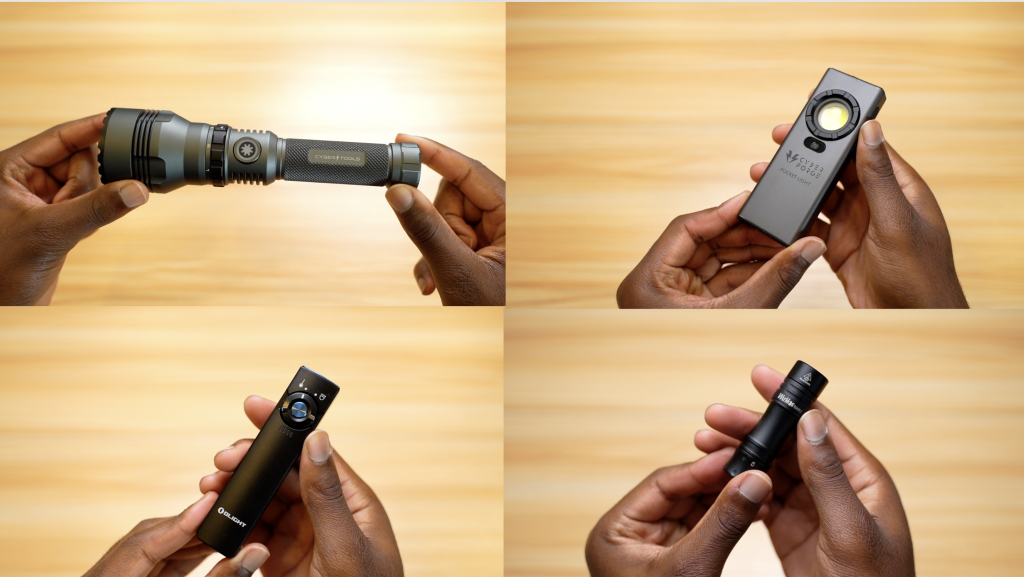
different brands of EDC flashlight

If you’re looking for a dependable everyday carry (EDC) flashlight, it’s not enough to trust marketing claims. That’s why I test flashlights in real conditions, putting four best-selling models through durability, brightness, and usability trials to see which ones truly deliver.

All four EDC flashlights claimed to be impact-resistant and waterproof, so I put those claims to the test — literally — by running over each one with my car and submerging them in water. I also compared brightness using a lux-meter app and evaluated how each performed in pitch-black conditions.

If you would like to see the video of me testing these everyday carry flashlights, watch at this link:

Factors to Consider to Choose the Best EDC Flashlight

Choosing the right EDC flashlight comes down to a handful of practical factors, not just brightness numbers on a box. Here’s what actually matters for everyday carry.

Size and Weight

EDC flashlights should ideally be under 5 inches and 5 ounces for comfort. Since the whole point of “everyday carry” is that you’ll actually carry it, a compact, lightweight design that slips easily into a pocket or bag matters more than raw specs.

Brightness (Lumens)

For true everyday carry, 100-300 lumens covers 90% of tasks. The sweet spot for EDC generally falls between 200-500 lumens with multiple modes, so you can dial the output up for outdoor use or down for close-range tasks. Anything over 1000 lumens is largely specialty use — impressive on paper, but it drains batteries fast and can get hot with extended use.

Battery Type and Charging

Many EDC flashlights now use USB-C charging, which is faster and more convenient than older charging methods. Rechargeable batteries are generally preferred for frequent, daily use, while disposable batteries are better suited for emergency lights that sit unused for long stretches. Rechargeable options can also save money over time compared to constantly replacing disposable batteries.

User Interface and Controls

A user-friendly interface with simple controls is especially important in the moments you need a flashlight in a hurry. Many EDC flashlights feature a tail switch for easy control over brightness levels and modes, and some include momentary-on switches for quick activation without fully pressing the button.

Hands-Free Features

Flashlights with magnetic tail caps or clips are useful for hands-free use, whether that means sticking the light to a metal surface while you work or clipping it securely to a pocket, bag, or hat.

Output Consistency

Quality EDC flashlights often have regulated outputs, meaning they maintain consistent brightness as the battery drains, rather than gradually dimming throughout use.

Durability and Build Material

High-quality EDC flashlights are often made from durable materials like aluminum to withstand daily wear, drops, and rough conditions. This is exactly why durability testing, like running a flashlight over with a car or submerging it in water, tells you more than a spec sheet ever could.

Everyday Practicality

Beyond the specs, EDC flashlights are preferable to smartphones for immediate access and reliability in emergencies, and using a dedicated flashlight also helps preserve your phone’s battery life when you need it most. A compact EDC flashlight can even serve as an effective, legal method of self-defense by temporarily blinding a potential threat, which is one more reason reliability and quick activation matter as much as brightness.


The Products I Tested

To find the best EDC flashlight, I tested four best-selling models for durability, brightness, and real-world usability.

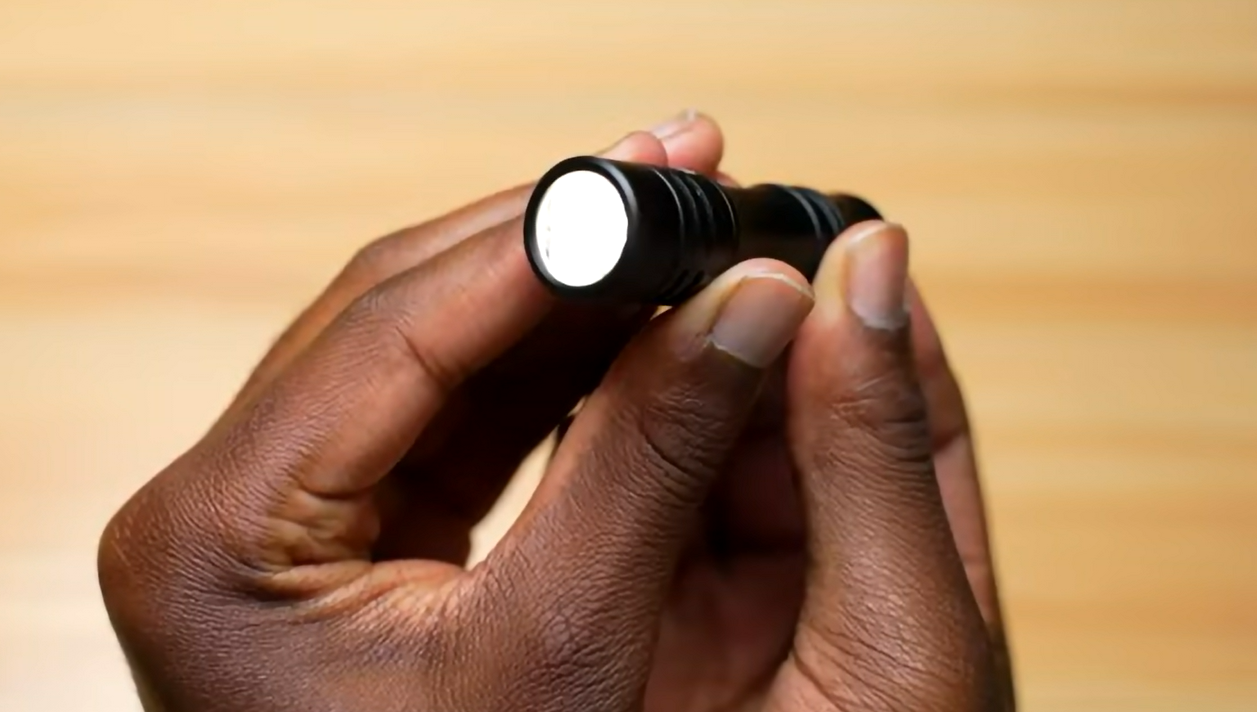
1. Wurkkos TS10V2 — Small but Shockingly Tough

Wurkkos TS10V2

Price: $45.99 on Amazon (at time of testing)

The Wurkkos TS10V2 is a tiny, budget light — about the size of my thumb — making it perfect for everyday carry. Among smaller EDC flashlights, it stands out because its compact size make it easy to carry discreetly, but I wanted to see if it could survive any real abuse.

Durability Test:
I ran this over at about 15 mph, and to my surprise, it held up perfectly. Zero damage. Zero issues. Submerging it in water for 30 seconds also left it completely functional.

Brightness Test:
At 3 feet away, the lux meter read 297 initially before settling at 190. In a pitch-black room, it produced a small but strong beam — narrow, but bright enough to see anything directly in front of you.

Bottom Line:

This affordable flashlight is small but mighty. It also has better brightness than expected for its size. See our full Wurkkos TS10 V2 review for a deeper breakdown of its performance.
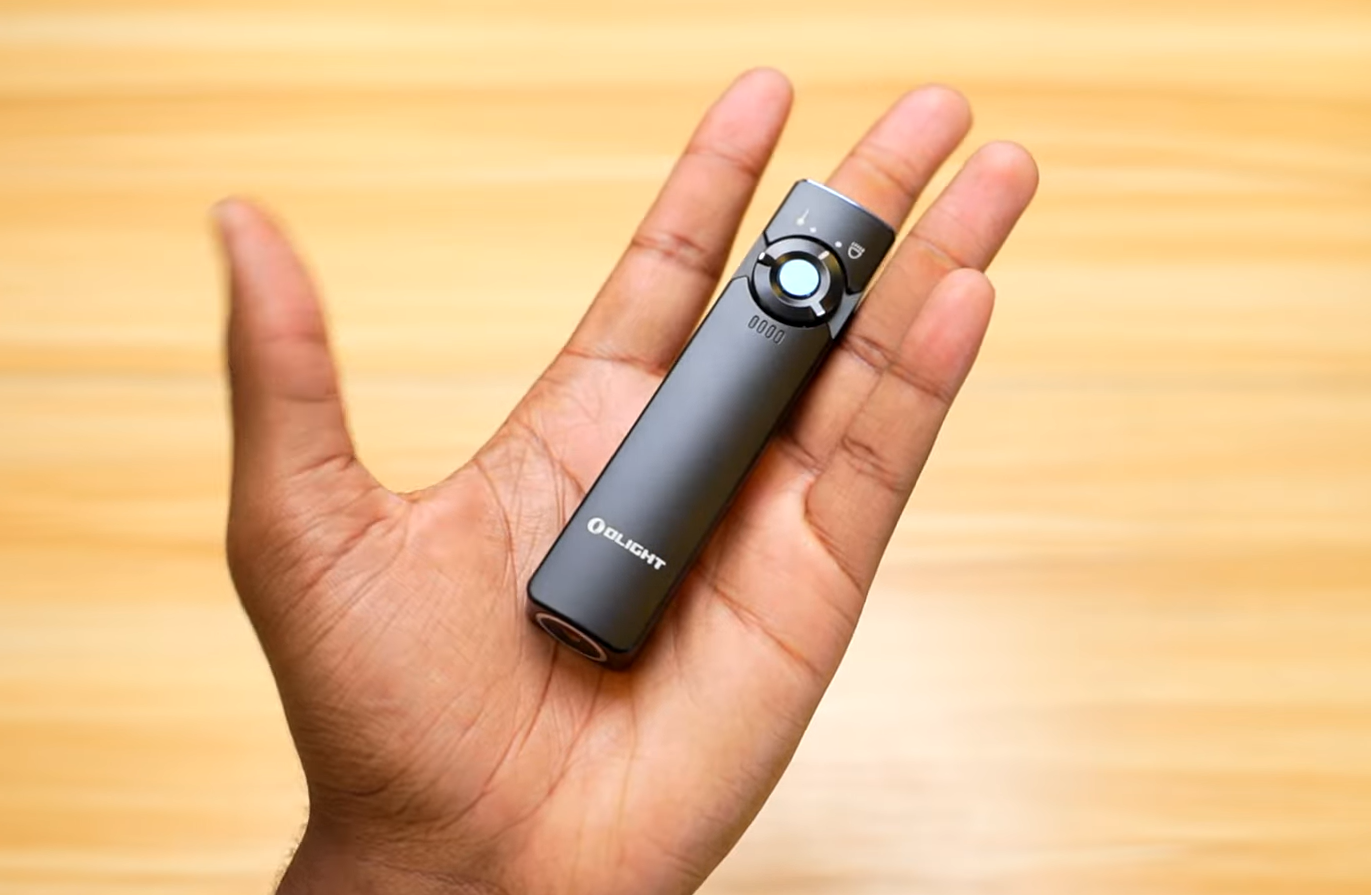
2. Olight Arkfeld EDC Flat Flashlight — Sleek, Smart, but Dim

Olight Arkfeld EDC Flat Flashlight

Price: $89.99 on Amazon

The Arkfeld is a slim, stylish EDC light with a two-way dial: a green laser pointer on one side and a flashlight on the other. It clips easily onto a pocket or hat and looks great — but performance matters more than aesthetics.

Durability Test:
Just like the Wurkkos, the Arkfeld survived being run over and fully submerged with no issues.

Brightness Test:
This is where it fell short — very short. The lux meter barely moved. Even pressed against the wall, it only registered 24, and in a completely dark room, the beam was hardly visible.

Bottom Line:

This EDC flashlight has an excellent design, solid build, smart features
 but very weak brightness. Check out our full Olight Arkfeld EDC Flat Flashlight review to see the complete durability and brightness test results.
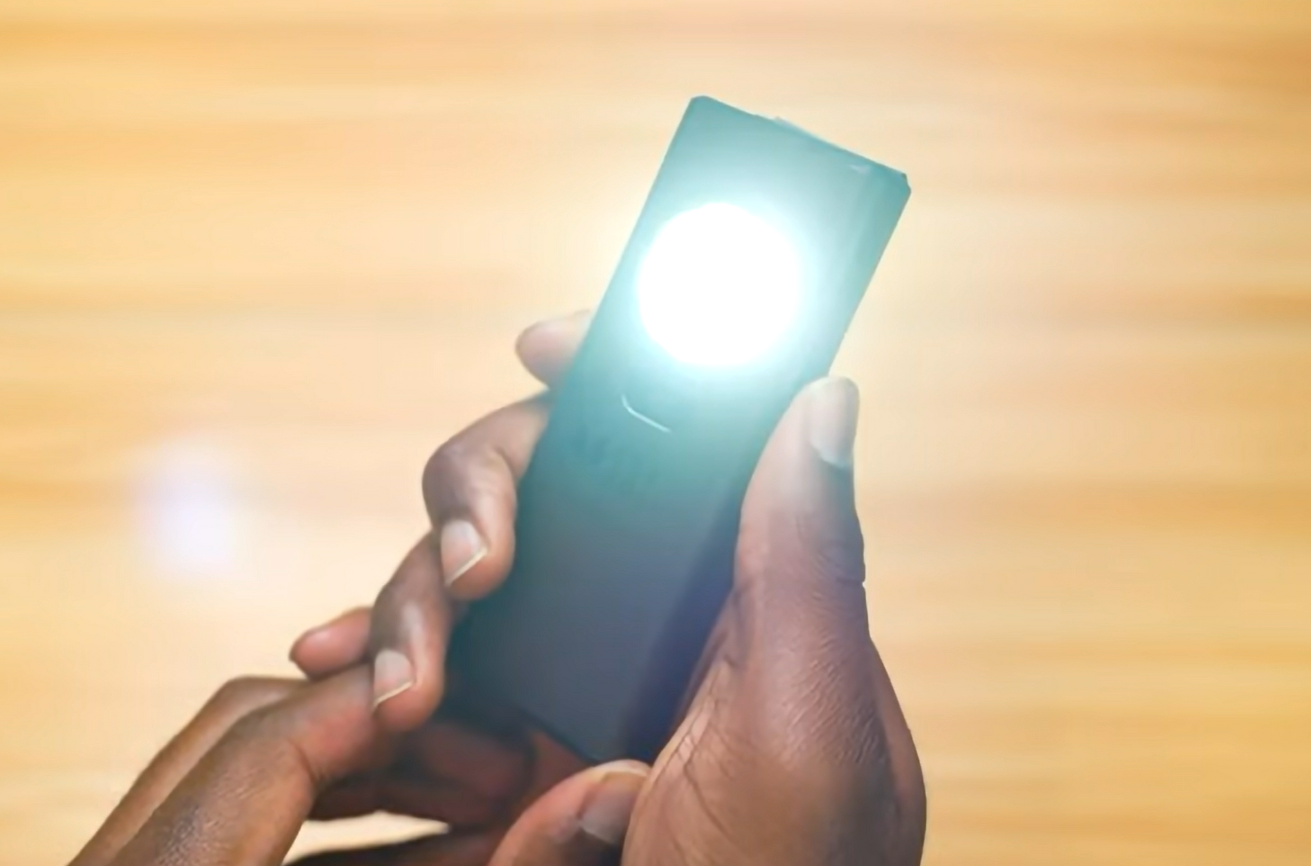
3. Cyber Tools Tactical Pocket Flashlight — Wide Beam & Smart Features

Cyber Tools Tactical Pocket Flashlight

Price: $69

This one stands out with its unique design: a circular front light, a built-in laser pointer, USB-C charging, and a sensor that automatically turns the light off if something blocks it — perfect for preventing accidental pocket burnouts.

It also features a magnetic pocket clip, allowing hands-free use.

Durability Test:
Barely flinched when run over. No damage. Fully functional after a 30-second water dunk.

Brightness Test:
Read a consistent 297 on the lux meter. In pitch-dark conditions, it produced a wide, clear beam that lit up the entire space.

Bottom Line:

This EDC flashlight is bright, versatile, and packed with thoughtful features. One of the top performers when it comes to rechargeable EDC flashlights. Curious how it held up? Our full Cyber Tools Tactical Pocket Flashlight review covers every test in detail.
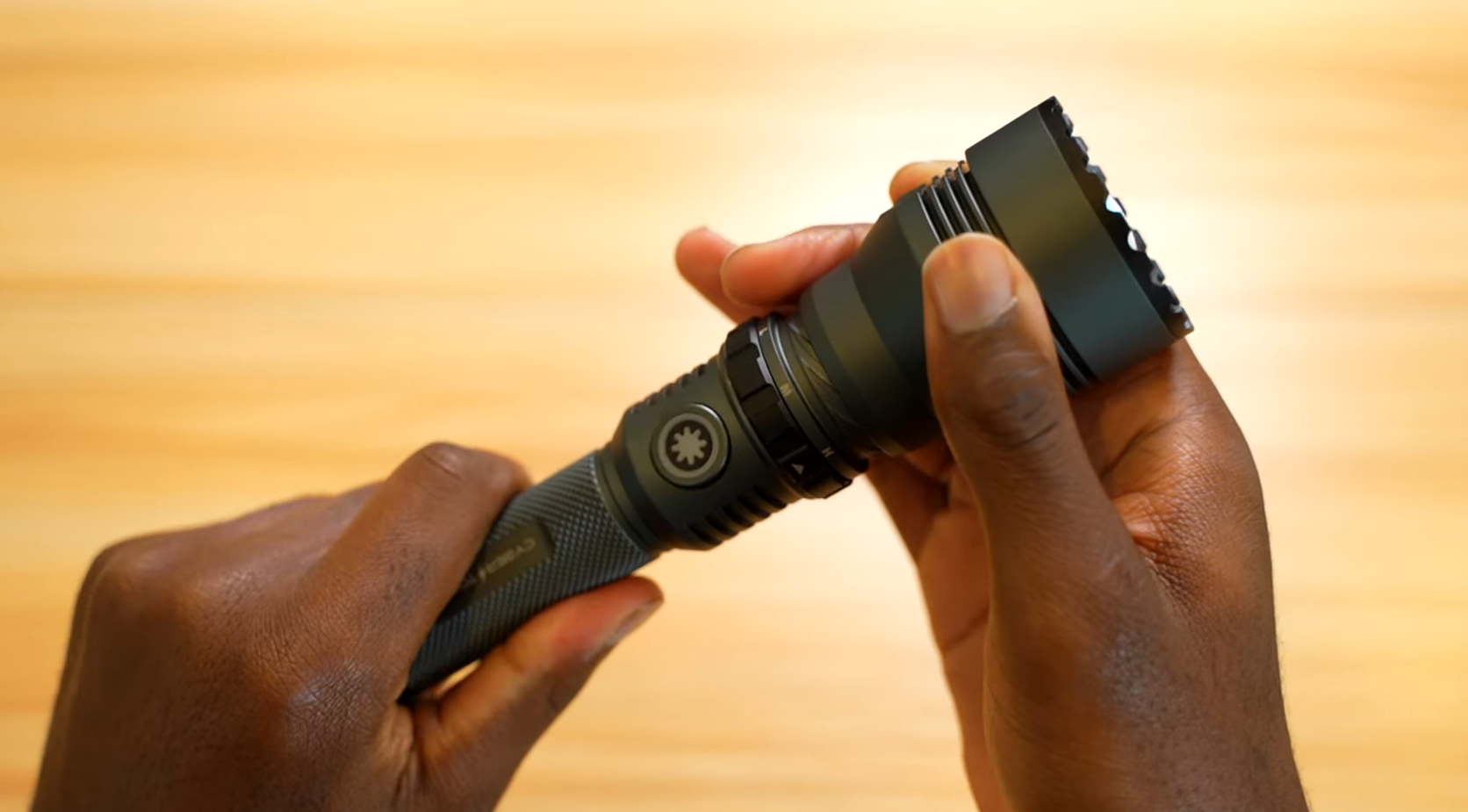
4. Cyber Tools Traditional Flashlight — The Classic Workhorse

Cyber Tools Traditional Flashlight

Price: $69
This model is the most “classic flashlight” in the lineup, with a simple interface and three intensity levels (Low, Medium, High). It also features a focusable head, allowing you to adjust the beam from wide to narrow.

Bonus: It includes USB and USB-C ports for charging other devices.

Durability Test:
I ran this one over twice — forward and backward — and it still showed no signs of damage. It passed the water test as easily as the others.

Brightness Test:

Started at the familiar 297, then shot up to 380 at peak brightness.

With a narrow focus, readings stayed in the low 300s.

In pitch-dark settings, the wide beam wasn’t as sharp, but the focused beam provided excellent clarity.

Bottom Line:

With great brightness, adjustable focus, and versatile performance, this is an excellent EDC flashlight for everyday use. Read our in-depth Cyber Tools Traditional Flashlight review for the full test breakdown, including video footage of the durability tests.

Best Everyday Carry (EDC) Flashlight: Which One Wins?

If brightness is your top priority, you can’t go wrong with any of these everyday carry flashlights —except the Olight, which fell short in output. All of the other three edc lights delivered strong, reliable performance.

In terms of durability, every model exceeded expectations — not one broke or malfunctioned after being run over or submerged. This makes them all solid options if you’re looking for a tough, dependable EDC light.

But my personal pick?

⭐ Cyber Tools Tactical Pocket Flashlight

The sleek design, the auto-off sensor, and the magnetic hands-free pocket clip make this EDC flashlight a reliable flashlight and one of the most well-rounded, practical choices for everyday carry. It balances brightness, usability, and durability in a way that feels thoughtful and functional for daily life.

So, the real question is: Which one of these best EDC flashlights would you choose for your pocket, bag, or gear? Let me know in the comments.


Frequently Asked Questions

What is the best EDC flashlight from this test?

The Cyber Tools Tactical Pocket Flashlight was the top pick overall, balancing strong brightness (297 lux), a wide, clear beam, and thoughtful features like an auto-off sensor and magnetic hands-free clip.

Are EDC flashlights waterproof?

In this test, all four flashlights survived a full 30-second submersion in water with no functional issues. That said, always check a specific model’s official waterproof rating (like IPX7 or IPX8) rather than assuming based on general category claims.

Can EDC flashlights survive being run over by a car?

Yes — surprisingly, all four models in this test held up after being run over, including the Cyber Tools Traditional, which was run over twice (forward and backward) with no visible damage.

What brightness (lumens) should I look for in an EDC flashlight?

For everyday tasks, 100-300 lumens covers most needs, with 200-500 lumens considered the sweet spot for EDC use since it allows flexibility for both close-range and outdoor tasks. Anything over 1000 lumens is typically overkill for daily carry and drains batteries faster.

Is a cordless or rechargeable EDC flashlight better than one with disposable batteries?

Rechargeable flashlights are generally better for frequent daily use since they’re more cost-effective over time and often include USB-C charging. Disposable battery flashlights are better suited for backup or emergency lights that sit unused for long stretches.

Which flashlight in this test had the weakest brightness?

The Olight Arkfeld EDC Flat Flashlight underperformed on brightness, registering just 24 lux even at close range, despite its sleek design and smart features like a built-in laser pointer.

Do EDC flashlights need a specific user interface to be effective?

Yes — a simple, user-friendly interface matters most in urgent situations. Features like tail switches and momentary-on activation allow for quick, one-handed control without fumbling for the right mode.

Are EDC flashlights better than using a smartphone flashlight?

Yes, generally. EDC flashlights are preferable to smartphones for immediate access and reliability, and using a dedicated flashlight also helps preserve your phone’s battery in case of emergency.

Don’t miss out on future insights and in-depth reviews — sign up for our weekly newsletter to get the latest on the best tech reviews, tips, and more delivered straight to your inbox.

Benjamin White

Ben White is a Los Angeles–born and raised video creator and reviewer with Shopper Advocate. He began his creative journey in 2020, producing short films, Youtube videos, and creating content for brands that developed his eye for detail and storytelling. Today, he brings that same production experience into hands-on product testing — breaking down performance in real-life situations and helping consumers cut through the hype to make the right call with their money.