Advertising Disclosure
Can You Use a Steam Cleaner on Hardwood Floors?
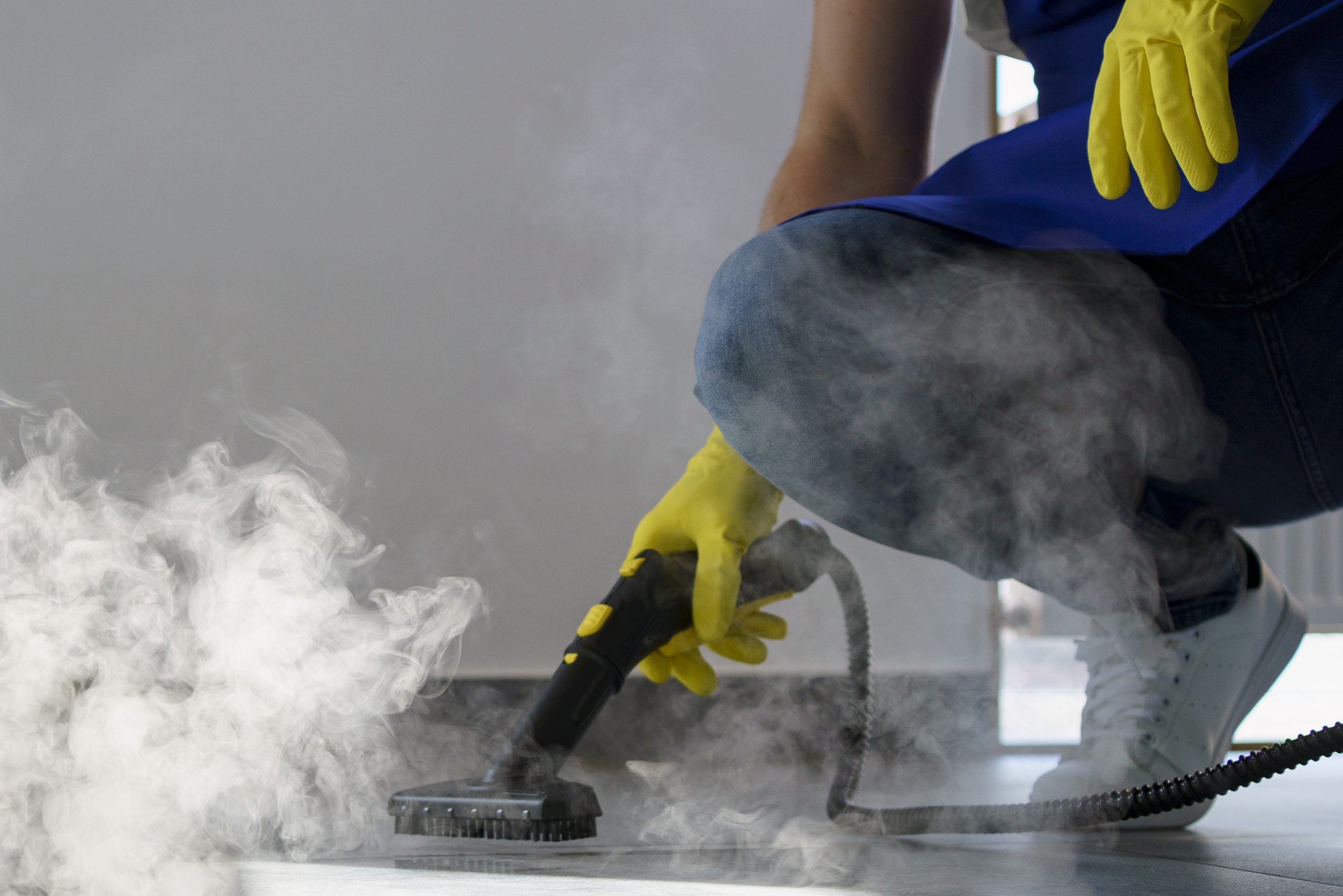

Hardwood floors add warmth and elegance to any home, but keeping them spotless can be tricky. Steam cleaners are a popular go-to for many homeowners because of their convenience and promise of deep cleaning — but here’s the catch: not all hardwood floors are safe for steam cleaning. Using it wrong could damage your floors, ruin the finish, or even shorten their lifespan.
In this guide, we’ll break down exactly whether steam cleaning is safe, when it is, what precautions to take, and the insider tips most experts rarely share. By the end, you’ll know whether your hardwood floors can handle steam cleaning — and what to do to protect your investment.
What are Hardwood Floors?
Hardwood floors are flooring made from natural wood, typically cut from hardwood trees such as oak, maple, hickory, or walnut. They are valued for their durability, timeless appearance, and ability to add warmth and value to a home.
There are two main types of hardwood flooring:
1. Solid Hardwood
Solid hardwood is made from a single, thick piece of wood. Because it is solid throughout, it can be sanded and refinished multiple times over its lifespan. With proper care, solid hardwood floors can last for decades.
2. Engineered Hardwood
Engineered hardwood has a real hardwood veneer on top, with layers of plywood or fiberboard underneath. This layered construction makes it more stable in areas with changing humidity, but it is still made from real wood and remains sensitive to moisture.
How Steam Cleaners Actually Work
Steam cleaners use water heated to very high temperatures (usually around 200–250°F) to produce hot vapor. This steam is released through a pad or nozzle onto the surface being cleaned.
The heat helps:
Loosen dirt and grime
Break down grease
Kill many bacteria and germs
Sanitize without chemical cleaners
Because steam cleaners use moisture and high heat, they work especially well on non-porous surfaces like tile, sealed stone, and grout. These materials don’t absorb water easily, so the steam stays on the surface and evaporates quickly.
The problem is that not all surfaces handle heat and moisture the same way.
What Happens When Steam Meets Hardwood Floors
Hardwood floors are made from natural wood, which is porous and sensitive to moisture. When hot steam is applied:
1. Moisture Can Seep Into the Wood
Steam may look light, but it still contains water. That moisture can slip into:
Small cracks
Seams between planks
Tiny gaps in the finish
Once water gets inside, the wood floors can swell, warp, or cup.
2. Heat Can Break Down the Finish
High temperatures can weaken polyurethane or protective coatings over time. This may cause:
Dull spots
Peeling finish
Reduced shine
3. Trapped Moisture Causes Long-Term Damage
If steam penetrates below the surface, moisture can become trapped underneath the boards. Over time, this can lead to:
Cupping or crowning
Gaps between planks
Mold growth beneath the flooring
Even if the surface looks dry afterward, hidden moisture may still be present.
When Might Steam Cleaning Be Safe?
In most cases, steam cleaning is not recommended for hardwood floors. However, there are rare situations where it may pose less risk — though caution is still necessary.
Steam cleaning may be relatively safer if:
You have sealed hardwood floors with a strong, intact polyurethane finish.
The manufacturer explicitly approves steam cleaning in their care instructions.
You use a low-moisture steam mop setting rather than continuous high steam.
You keep the steam mop moving at all times and avoid holding steam in one spot.
You immediately dry the floor with a clean microfiber cloth afterward.
Even under these conditions, steam cleaners should not be used as a regular cleaning solution. Occasional, light use may reduce risk — but it does not eliminate it. Always check your hardwood flooring warranty before using steam, as many manufacturers void warranties if steam mops are used.
Signs Your Hardwood Floor Has Steam Damage
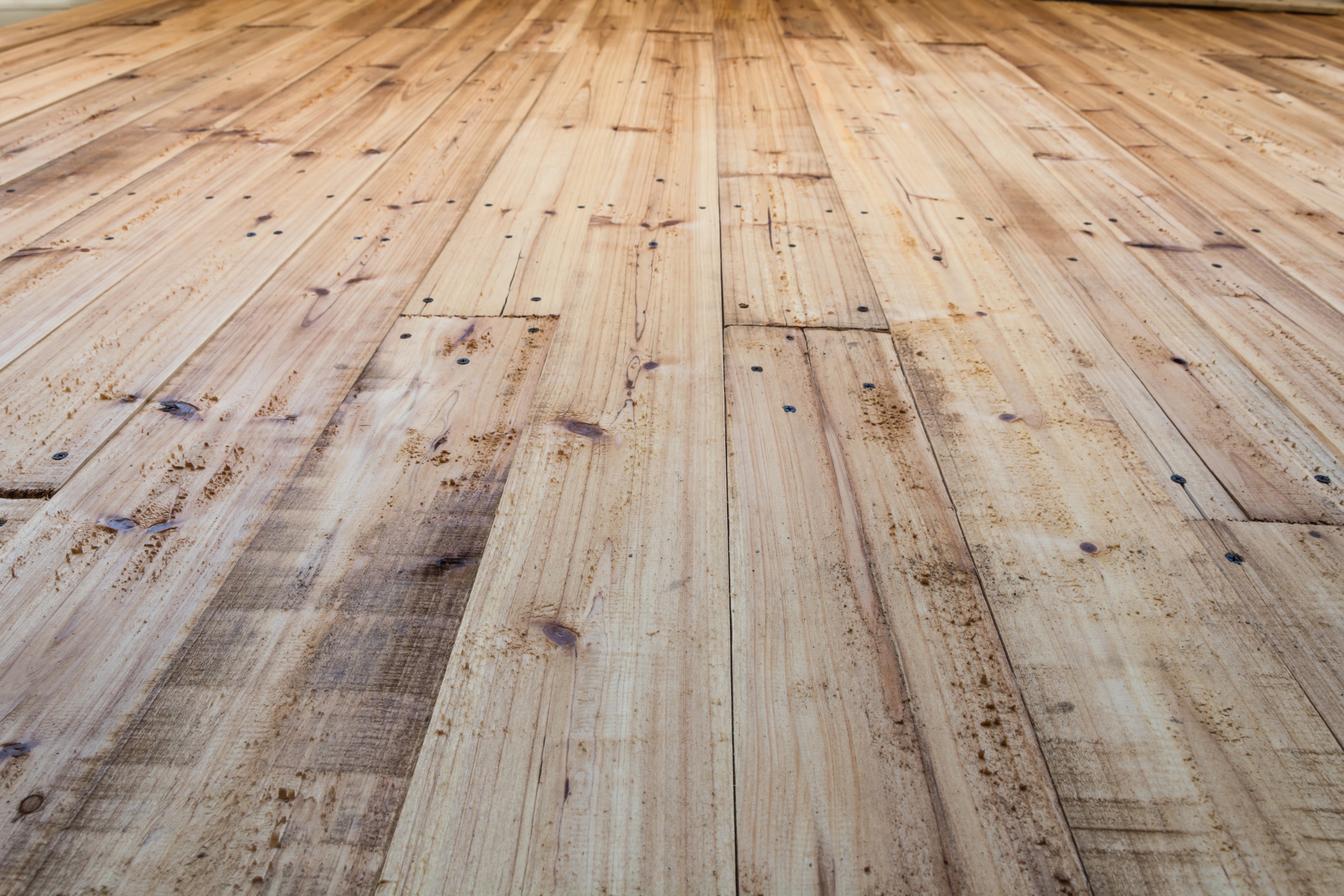
Steam damage isn’t always immediate. Sometimes the effects appear days or weeks later as trapped moisture begins to affect the hardwood floors. If you notice any of these signs after steam cleaning, stop using the steam mop immediately and allow the hardwood floor to dry thoroughly. In severe cases, professional inspection may be necessary.
1. Cupping
The edges of the planks rise higher than the center, creating a curved or wavy look. This happens when moisture is absorbed unevenly.
2. Crowning
The center of the plank rises higher than the edges. This can occur if moisture was trapped and the hardwood floor dried improperly.
3. Gaps Between Planks
Excess heat and moisture can cause expansion followed by shrinking, leading to visible gaps.
4. Peeling or Cloudy Finish
The protective coating may appear dull, hazy, or begin to lift in certain areas.
5. Soft or Spongy Spots
If moisture penetrates below the surface, sections of the floor may feel slightly uneven or unstable.
What to Do If You Already Used a Steam Cleaner
If you’ve already used a steam cleaner on your hardwood floors, don’t panic — but act quickly.
1. Stop Using the Steam Mop
Discontinue steam cleaning to prevent further moisture exposure.
2. Dry the Wood Floor Thoroughly
Use clean, dry microfiber towels to wipe the surface. Pay extra attention to seams and edges where moisture may collect.
3. Improve Air Circulation
Turn on fans, open windows, or run a dehumidifier to help remove any trapped moisture. The faster the floor dries, the lower the risk of warping.
4. Monitor the Floor Over the Next Few Days
Watch for signs like cupping, swelling, or gaps between planks. Damage may not appear immediately.
5. Contact a Professional if Needed
If you notice significant warping, lifting, or soft spots, consult a flooring specialist. Early intervention may prevent more costly repairs later.
Safer Alternatives to Steam Cleaning Hardwood Floors
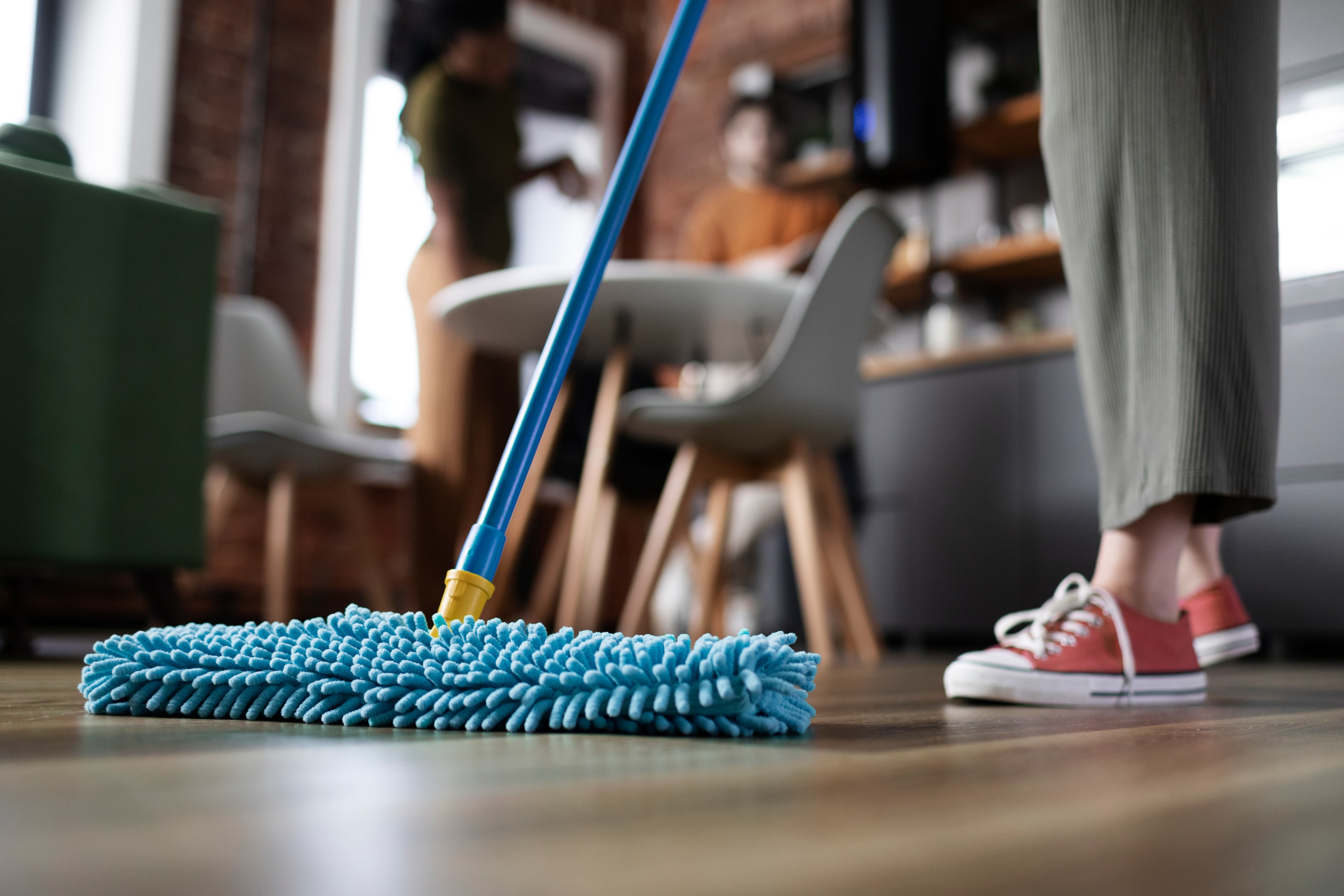
To protect your hardwood floors while keeping them clean, use lower-moisture methods designed specifically for wood surfaces.
1. Microfiber Dust Mop
Perfect for daily or weekly cleaning, these cleaning tool traps dust and debris without scratching the surface.
2. Vacuum (Hard Floor Setting)
Use a vacuum without a beater bar to remove dirt from seams and corners safely. This protecs your hardwood finish while keeping your floors clean and debris-free.
3. Damp (Not Wet) Microfiber Mop
Lightly mist the mop. Never soak it. Too much water can seep into the wood, causing warping or damage to the finish. A slightly damp mop is all you need.
4. pH-Neutral Hardwood Floor Cleaner
Use a cleaner specifically labeled safe for hardwood floors. Avoid harsh chemicals or all-purpose cleaners.
5. Spot Cleaning for Spills
Wipe spills immediately with a dry or slightly damp cloth to prevent moisture from soaking into the wood.
Does Steam Actually Sanitize Hardwood Floors?
Steam cleaners generate high-temperature vapor that can kill many types of bacteria, germs, and dust mites without using chemicals. This makes them highly effective on surfaces like tile, stone, and grout.
When it comes to hardwood floors, however, the story is different. While steam may sanitize the surface, hardwood isn’t usually a high-risk area for harmful bacteria. In most homes, regular sweeping and a light damp mop are enough to keep floors clean and safe.
The problem is that achieving true sanitization requires heat and moisture to remain on the wood for a certain amount of time. This exposure can weaken the finish, seep into seams, and potentially warp the wood over time.
In short, while steam can sanitize, the benefit is often outweighed by the risk of damaging your hardwood floors. If you want to disinfect safely, it’s better to use a cleaner specifically formulated for hardwood — one that controls moisture and protects the finish.
Final Verdict: Is Steam Cleaning Worth the Risk?

Hardwood floors are beautiful and durable, but they’re still natural wood — which means they can warp, swell, or discolor when exposed to heat and moisture. Steam cleaning might remove dirt quickly, but the risk of damaging your floors is real, even for engineered hardwood.
If your floors are fully sealed with a strong polyurethane finish, steam cleaning can be safer — but caution is still key. For most homeowners, safer methods like microfiber mops, gentle hardwood cleaners, or spot cleaning deliver a sparkling finish without putting your investment at risk. When it comes to hardwood floors, it’s often better to clean smart, not fast. So if you don’t want to risk costly damage, stick with gentle cleaning methods and save steam cleaning for only the safest, most controlled situations.
While steam cleaning hardwood isn’t recommended, there are plenty of steam cleaners suited for other household tasks. If you’re curious about different options on the market, we’ve also reviewed some top models to help you choose the right one.
For more cleaning tips and product guides, subscribe to our weekly newsletter.
Frequently Asked Questions
Can steam cleaners damage hardwood floors?
Yes. Excess heat and moisture can warp, discolor, or lift the finish of hardwood floors, especially older, unfinished, or delicate wood. Even short exposure to steam can create long-term damage if done frequently.
Is it safe to use a steam mop on engineered hardwood?
Only if the manufacturer explicitly allows it. Many engineered floors can tolerate occasional steam, but repeated use increases the risk of warping or peeling the surface layer.
How often can I steam clean my hardwood floors?
Keep it very occasional. Once in a while is enough for spot cleaning. Regular or frequent steam exposure can compromise the wood’s integrity over time.
What are the risks of using a steam cleaner on unfinished or waxed floors?
Steam can strip the protective finish, remove wax coatings, and cause the wood to swell, cup, or even crack. These types of floors are extremely sensitive to moisture and heat.
Are there safer alternatives to steam cleaning hardwood?
Yes. Microfiber mops, slightly damp mops, and vacuuming without a beater bar clean effectively without risking water damage, scratches, or finish deterioration.
Can steam cleaning remove deep stains or just surface dirt?
Mostly surface dirt. Deep stains, sticky residues, or ingrained grime often require targeted cleaning methods, spot treatments, or professional refinishing.
How hot does a steam cleaner get, and is that too much for wood?
Steam cleaners can reach 200–250°F. This is hotter than most hardwood floors can safely handle, and prolonged exposure can soften finishes or damage the wood fibers.
Do all types of hardwood floors react the same to steam?
No. Solid hardwood, engineered hardwood, and unfinished or waxed floors all respond differently. Some are more heat- and moisture-sensitive than others.
How do professionals clean hardwood without damaging it?
They use microfiber mops, gentle cleaning solutions, and controlled amounts of water. Excess moisture or heat is avoided, and regular maintenance keeps floors protected and looking their best.
Can I use vinegar or other solutions with a steam mop on hardwood?
It’s not recommended. Vinegar and acidic cleaners can eat away at the finish and damage the wood over time, leaving it dull or discolored.