Advertising Disclosure
How to Fall Asleep Fast in Just 10, 60, or 120 Seconds
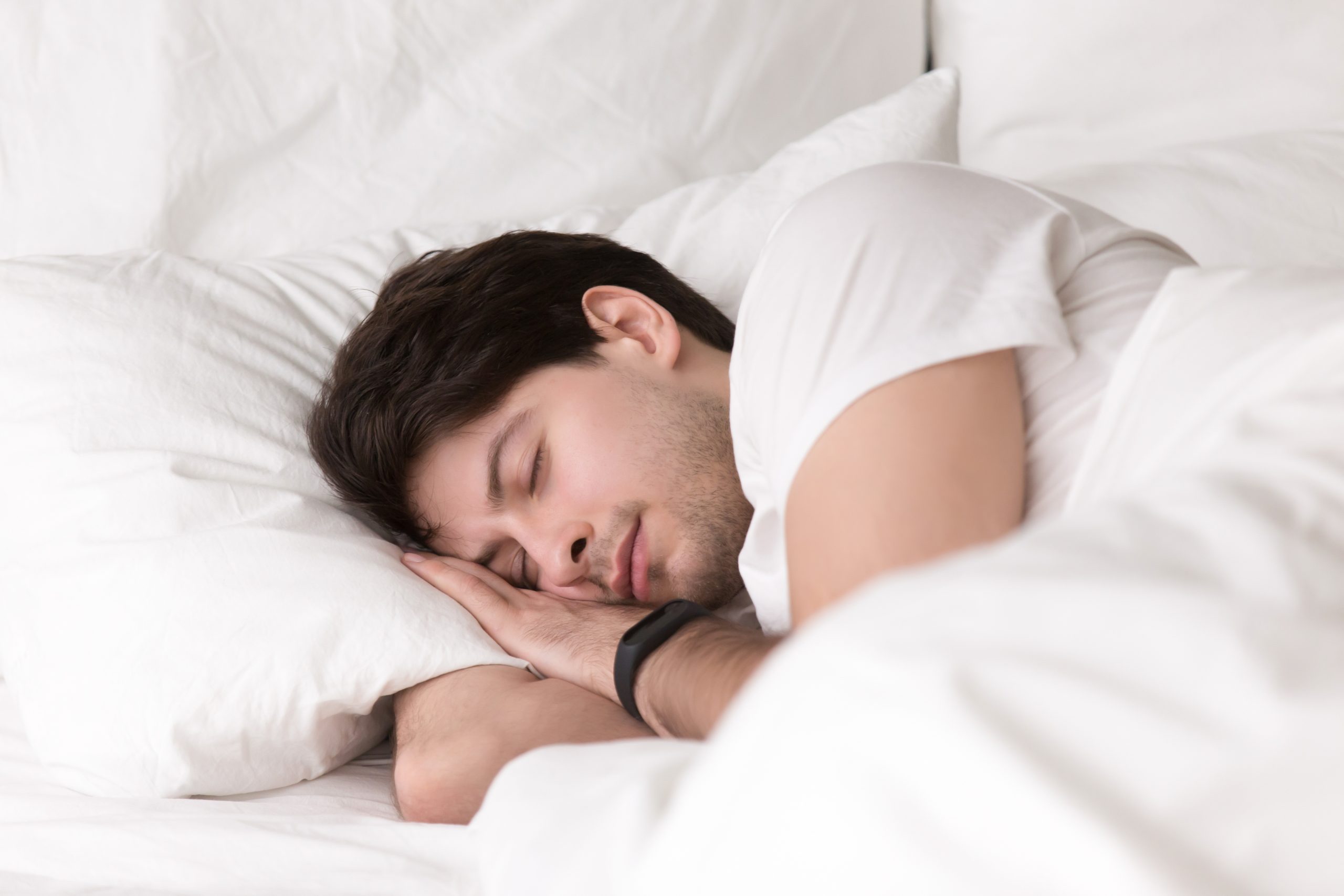
You’re exhausted, your body is drained, and all you want is a good night’s sleep — but the second your head hits the pillow, your brain suddenly has a million things to think about. Tomorrow’s deadlines, that awkward conversation from three years ago, the random grocery list you forgot to write down. You know how it goes.
So you lie there. Eyes wide open. Watching the clock. Getting more frustrated by the minute because you’re tired but just can’t fall asleep.
If you’ve been struggling every night, you’re not alone — and you don’t have to keep suffering. Learning how to fall asleep fast can change your nights. There’s a simple trick that can help you drift off in as little as 10 seconds, and the best part is it costs nothing and you can try it tonight. Keep reading to learn more.
Why is it so hard for me to fall asleep?
Falling asleep is not the same for everyone, and it may take longer than you think. For some, it happens almost effortlessly—just lying down and closing their eyes is enough to drift off. But for others, it requires deep concentration and relaxation to quiet the mind and release tension from the body.
The truth is, struggling to fall asleep doesn’t mean something is “wrong” with you. It could be caused by a variety of factors, and understanding them is the first step toward finding the right solutions.
Overactive or Racing Thoughts
Sometimes your mind won’t stop analyzing the day, worrying about what might happen tomorrow, or replaying past events. These persistent intrusive thoughts make it difficult to switch off and relax for sleep.
Stress and Anxiety
Life stressors—like work deadlines, financial concerns, or relationship issues—can keep your body in a state of alertness, preventing the natural drop in heart rate and brain activity needed for sleep.
Poor Sleep Environment
Light, noise, or uncomfortable bedding can make it hard to feel cozy and fall asleep quickly. Even small distractions like phone notifications or room temperature can delay sleep onset.
Inconsistent Sleep Schedule
Going to bed and waking up at different times each day confuses your body’s internal clock, making it harder to fall asleep promptly when you finally hit the pillow.
Underlying Health Conditions
Issues such as chronic pain, insomnia, depression, or anxiety can interfere with your ability to fall asleep. Treating these conditions often improves sleep quality.
Lifestyle Factors
Consuming caffeine, alcohol, or heavy meals too close to bedtime can disrupt your body’s natural sleep cues and keep you awake longer. Lack of daytime activity or exposure to natural light can also affect your sleep rhythm.
Negative Thought Patterns About Sleep
Worrying about “not being able to sleep” can create a mental loop that ironically makes it even harder to fall asleep. Learning to reframe these thoughts can make a big difference.
Physical Tension or Restlessness
Tense muscles, restless legs, or discomfort in bed can delay sleep. Relaxation techniques like stretching, progressive muscle relaxation, or breathing exercises can help release tension.
Why Falling Asleep Quickly Matters

Getting enough quality sleep plays a key role in many aspects of your health and daily performance.
1. Better mental clarity and focus
A well-rested brain processes information faster and concentrates more effectively. Falling asleep faster helps ensure your brain gets the rest it needs to support memory, decision-making, and productivity the next day.
2. Improved mood and emotional balance
Lack of sleep can make you feel irritable, stressed, or overwhelmed. When you fall asleep quickly and get consistent rest, your body is better able to regulate mood and stress levels.
3. Stronger immune system
Sleep is the time when your body repairs itself. Falling asleep faster allows your body to spend more time in restorative sleep stages that support immune function and overall health.
4. Reduced risk of chronic health problems
Long-term sleep deprivation has been linked to health issues such as heart disease, high blood pressure, and metabolic disorders. Getting enough uninterrupted sleep can help lower these risks.
5. More energy throughout the day
When you fall asleep quickly and sleep well through the night, you wake up feeling refreshed instead of exhausted. This leads to better energy levels, improved productivity, and a more active lifestyle.
How to Fall Asleep in 10, 60, 120 Seconds
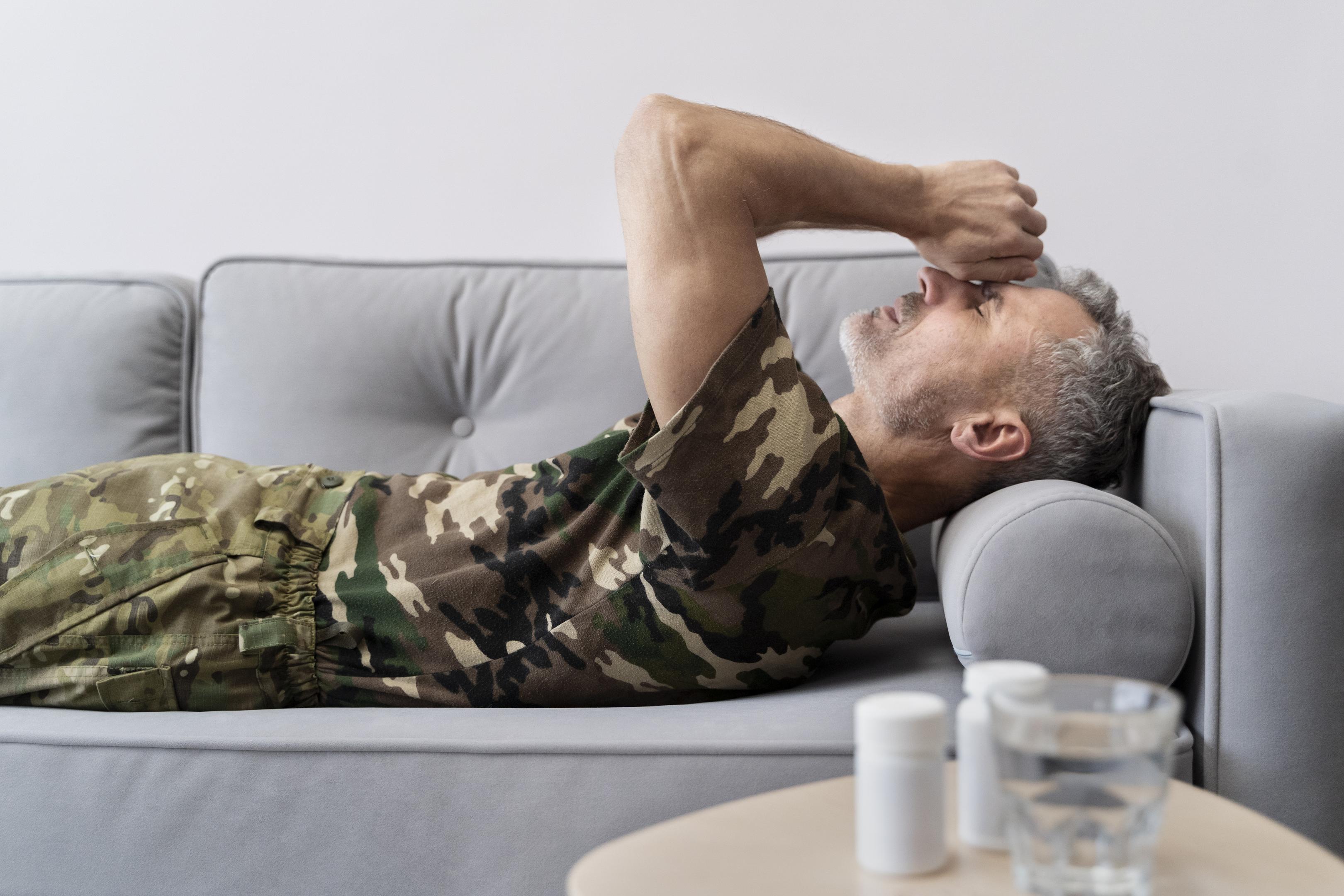
The Military Sleep Method to Fall Asleep in 10 Seconds
The Military Method is a relaxation technique designed to help people fall asleep very quickly, sometimes in as little as 10 seconds once they’re settled in bed. It gained attention after being featured in the book Relax and Win: Championship Performance, where it was used to train soldiers and pilots to sleep faster, even under stressful conditions.
During World War II, Winter created this method for U.S. Navy preflight trainees who were struggling with sleep deprivation and high stress—factors that were affecting their focus and decision-making. With consistent practice over about six weeks, the technique reportedly allowed nearly all the airmen to fall asleep quickly, even after drinking coffee or while facing loud distractions.
While scientific studies on its effectiveness are limited, the full routine takes roughly two minutes, but the final 10 seconds is often credited as the key moment when the body finally relaxes enough to drift off.
At its core, the Military Method is simple: systematically relax your muscles, slow your breathing, and quiet your mind, signaling to your brain that it’s time to fall asleep.
How the Military Method Works
The technique focuses on relaxing different parts of your body step by step.
Relax your face. Release tension in your forehead, jaw, tongue, and the muscles around your eyes.
Drop your shoulders. Let your shoulders fall naturally and relax your neck.
Relax your arms. Allow your arms to feel heavy and loose at your sides.
Slow your breathing. Take slow, steady breaths to calm your body and lower your heart rate.
Relax your legs. Release tension in your thighs, calves, and feet.
Clear your mind. Picture a calm scene (like lying in a quiet field or floating on a lake) for about 10 seconds.
If your mind still feels busy, repeat the words “don’t think” quietly in your mind for about 10 seconds.
This can help stop racing thoughts and make it easier to fall asleep.
With practice, supporters of the technique say your body learns to recognize this relaxation routine as a signal for sleep, helping you fall asleep faster over time.
The 4-7-8 Breathing Method to Fall Asleep in 60 Seconds
Developed by Dr. Andrew Weil, an integrative medicine specialist, this breathing technique draws inspiration from traditional pranayama exercises. Like any skill, it gets easier and more effective the more you do it. So don’t get discouraged if it doesn’t work perfectly the first time.
If you have a breathing-related condition such as asthma or COPD, it’s a good idea to consult your doctor before giving this a try, as it could potentially irritate your symptoms.
Before you begin, press the tip of your tongue to the spot just behind your upper front teeth on the roof of your mouth. You’ll want to hold it there throughout the whole exercise. If pursing your lips makes it easier to breathe comfortably, feel free to do that as well.
How to Do the 4-7-8 Breathing Method
It’s simpler than it sounds. Here’s how to do it step by step:
Exhale completely through your mouth, making a soft whooshing sound to release all the air from your lungs.
Close your mouth and inhale quietly through your nose for 4 seconds.
Hold your breath for 7 seconds.
Exhale slowly through your mouth for 8 seconds, making the same whooshing sound.
Repeat this cycle at least four times.
Acupressure for Sleep
If breathing methods aren’t enough on their own, acupressure is another natural and drug-free way to help your body wind down before bed. Acupressure works by applying gentle pressure to specific points on the body to release tension, calm the nervous system, and encourage relaxation. Here are three pressure points known to help with sleep:
1. Spirit Gate
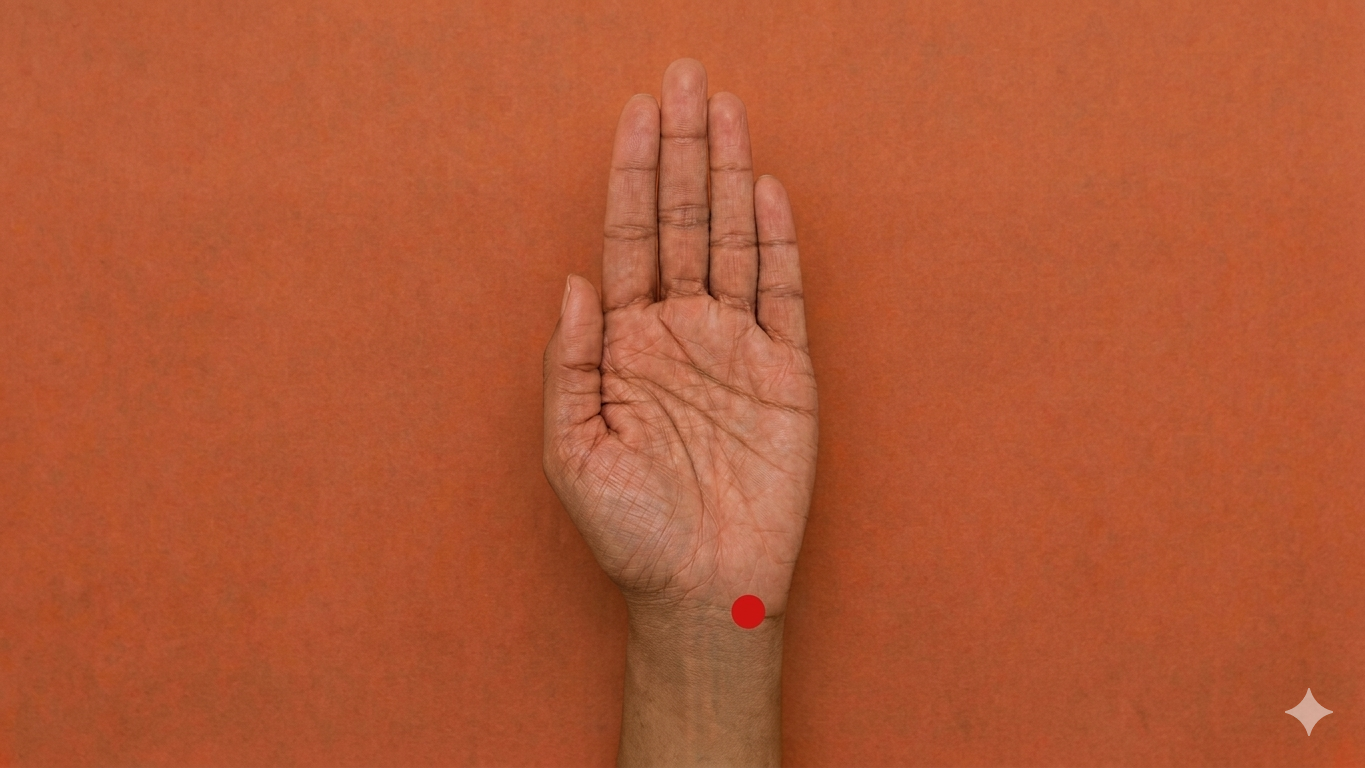
Located on the inner wrist, just below the pinky finger on the crease of your wrist. Apply gentle circular pressure to this point for 2 to 3 minutes before bed. It’s known for calming an overactive mind, easing anxiety, and helping your body shift into a more relaxed state — making it easier to fall and stay asleep.
2. Inner Frontier Gate
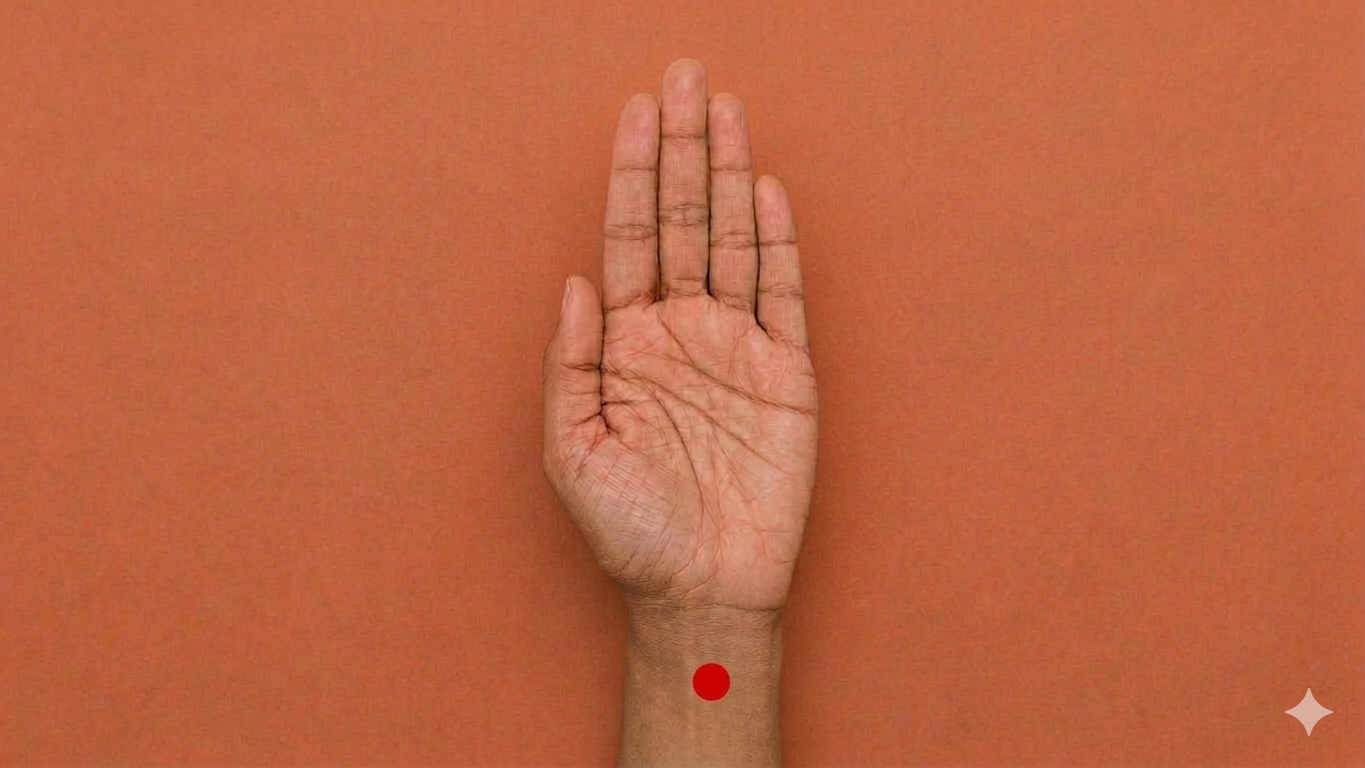
Found on the inner forearm, about three finger-widths below your wrist crease, between the two tendons. Press firmly but gently on this point and hold for a few minutes. This pressure point is commonly used to relieve stress, quiet racing thoughts, and settle an uneasy feeling in the chest that can make it hard to relax at night.
3. Wind Pool
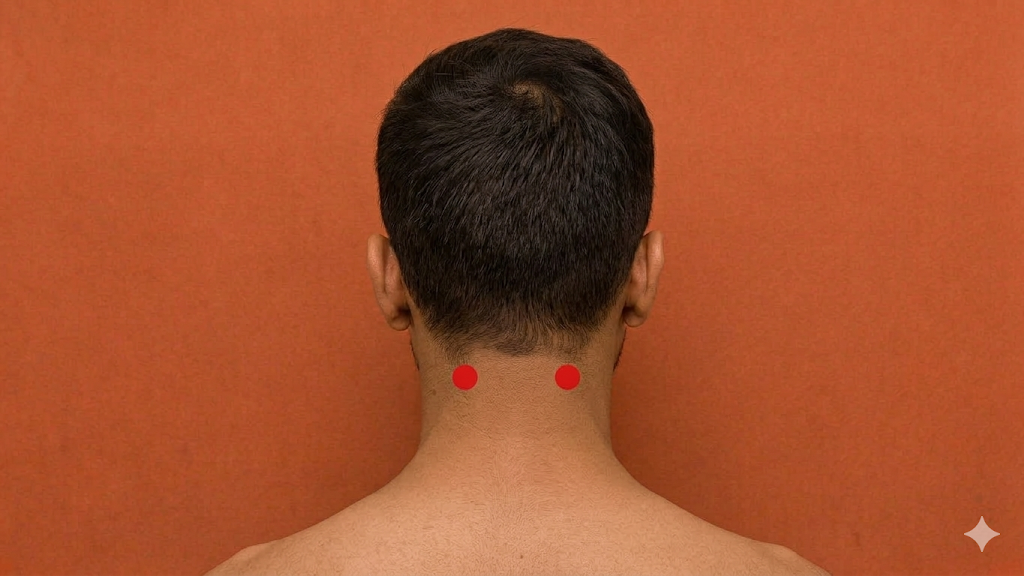
Located at the base of your skull, in the hollow areas on either side of your neck where your neck muscles meet the base of your head. Use both thumbs to apply slow, firm pressure to both sides at the same time. This point helps release tension headaches, neck stiffness, and mental fatigue — all common things that can keep you awake longer than you’d like.
Progressive Muscle Relaxation (PMR)
Physical tension is one of the most common reasons people struggle to fall asleep. Progressive muscle relaxation involves gradually releasing tension throughout your body. By focusing on one muscle group at a time, you become more aware of where you are holding stress and consciously let it go.
Getting Started with PMR
Find a comfortable position in bed or on a mat.
Work through each muscle group slowly, spending 5–10 seconds tensing and 10–15 seconds relaxing.
Pair the exercise with deep breathing to maximize relaxation.
Practice regularly—consistency improves results and can make it easier to fall asleep quickly.
Visualization
If your thoughts keep racing, visualization can help redirect your focus. Imagine a peaceful place such as a quiet beach, a calm forest, or a comfortable room. Try to picture the details—the sounds, colors, and sensations. This mental imagery can help distract your brain from stress and encourage sleep.
Research supports this idea. A 2002 study by researchers at the University of Oxford found that people who imagined calming scenes fell asleep faster than those who used random distractions or had no specific method to help them sleep.
The goal is to fully engage your mind in the calming scene, allowing your body and thoughts to relax so you can drift off more easily.
Paradoxical Intention (PI)
Paradoxical Intention (PI) is a sleep technique that encourages you to stop trying to fall asleep and instead focus on staying awake. The more you stress about sleep, the harder it becomes, so reversing the pressure can help your mind relax naturally.
For example, instead of thinking, “I must fall asleep now,” you tell yourself, “I’ll stay awake as long as I can.” This simple mindset shift often makes sleep come more easily, especially for people with insomnia or racing thoughts. Combining PI with techniques like deep breathing or visualization can further improve results.
Other Methods to Fall Asleep Right Away
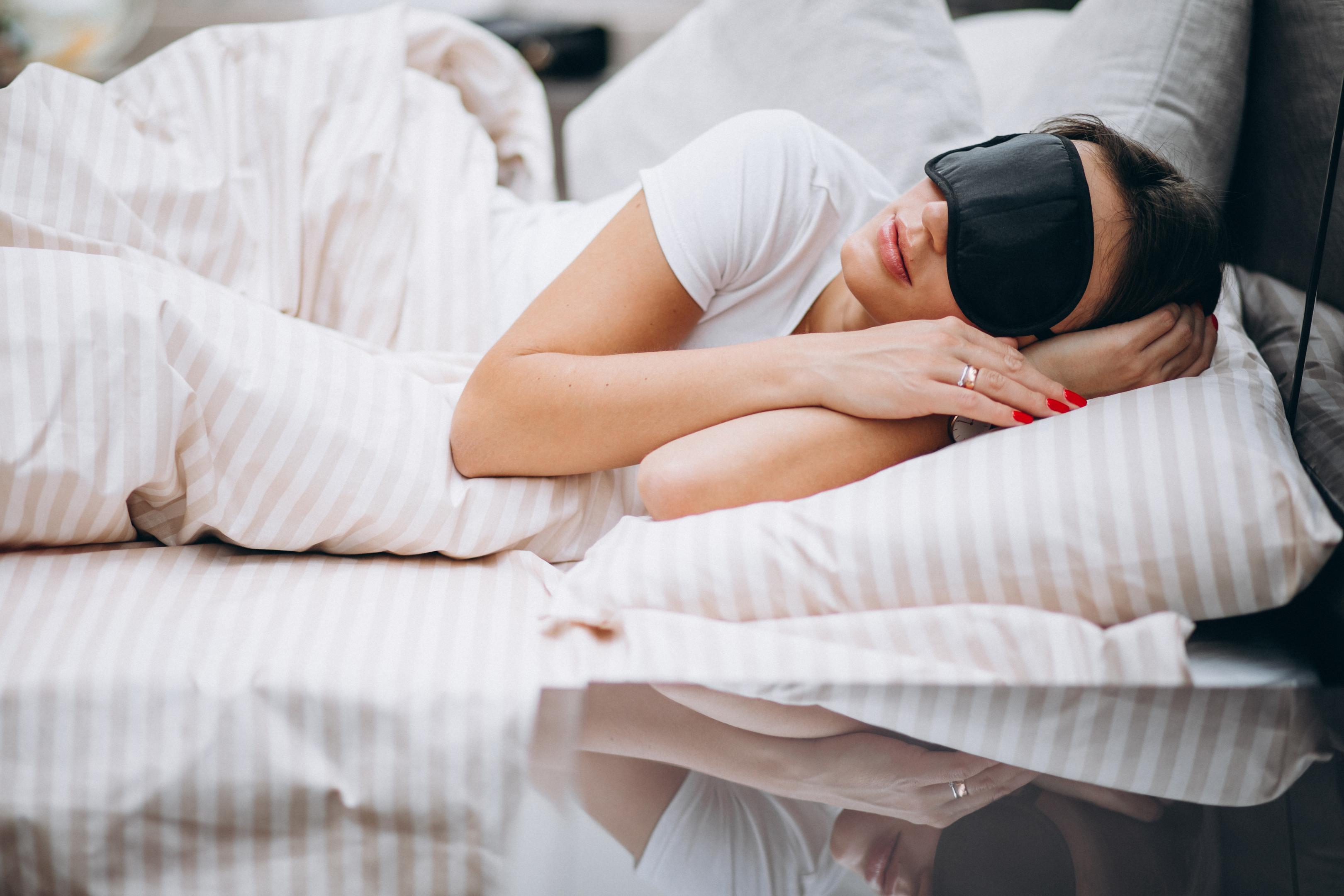
While no method works instantly for everyone, the strategies below are designed to help your body shift into a more relaxed state so you can fall asleep faster.
Slow and Deep Breathing
Controlled breathing can help calm your nervous system and signal to your body that it’s time to sleep. One simple technique is to inhale slowly through your nose, hold for a few seconds, and then exhale slowly through your mouth. Repeating this deep breathing techniques several times can help lower your heart rate and promote relaxation.
Dark and Quiet Environment
Your environment plays a big role in how quickly you fall asleep. Keep your bedroom dark, quiet, and cool. Even small sources of light from electronics can interfere with your body’s production of melatonin, the hormone that regulates sleep.
Pre-Bedtime Calm Routine
Using your phone, working, or watching intense shows before bedtime can make it harder for your brain to relax. Instead, choose calming activities like reading, journaling, stretching, or listening to soft music to help your body wind down.
Relaxation Tools
Some people find it easier to fall asleep using tools that support relaxation, such as sleep masks, white noise machines, or weighted blankets. These can help create a more comfortable environment and minimize distractions that might keep you awake.
Who Can Benefit From These Methods?

The sleeping methods mentioned above can be helpful for many people who struggle to fall asleep quickly, especially the following:
People with mild sleep difficulties or sleep disorders
Individuals who experience occasional insomnia or mild sleep disturbances may benefit from relaxation techniques like the military sleep method. The structured process of relaxing the body and calming the mind can make it easier to drift off to sleep. However, for chronic sleep disorders such as insomnia or sleep apnea, this technique should be seen as a supportive habit rather than a replacement for professional medical care.
People with stressful jobs
Professionals who experience high levels of daily stress—such as healthcare workers, managers, or emergency responders—may find this method helpful for easing mental tension and transitioning into sleep more easily.
Night shift workers
People who work overnight or rotating shifts often have trouble falling asleep during the day. The military sleep method can help train the body to relax quickly, even when the environment or schedule is not ideal.
Students and busy professionals
Those with demanding schedules sometimes struggle to shut off their minds after a long day of studying or working. This relaxation technique can help quiet mental distractions and promote faster sleep.
People with racing thoughts before bed
If your mind tends to replay conversations, worries, or to-do lists when you lie down, the structured relaxation and visualization used in the method can help redirect your focus and calm your thoughts.
Frequent travelers or people with jet lag
Traveling across time zones can disrupt your sleep rhythm. A consistent relaxation routine like the military sleep method can make it easier to fall asleep when your schedule is out of sync.
Frequently Asked Questions
Can I really fall asleep in 10 seconds?
Yes, it really is possible to fall asleep in as little as 10 seconds. The key is that it works best when your body is already relaxed and your mind isn’t fighting it. Like any new habit, it may take a few tries to get right, and most people find that the first few attempts take a couple of minutes before it fully clicks. But once your body gets used to it, it becomes second nature.
Does the military method really work for everyone?
The military sleep method can help many people fall asleep faster, but it doesn’t work exactly the same for everyone. Stress, racing thoughts, or certain sleep disorders can make it harder at first. With regular practice—relaxing your body, controlling your breathing, and clearing your mind—most people notice they fall asleep more quickly and sleep more efficiently.
What if I can’t fall asleep using this method?
Don’t give up after one try. Like any skill, it takes a little patience and consistency to see results. If it doesn’t work right away, keep practicing and pair it with good sleep hygiene habits like keeping a consistent bedtime, avoiding heavy meals at night, and putting your phone down at least 30 minutes before bed. The combination makes a big difference.
Does the Military Method work for night shift workers?
Absolutely. Night shift workers can still benefit from this method — the key is setting up the right environment for daytime sleep. Block out sunlight with blackout curtains or a sleep mask, use a white noise machine or earplugs to drown out daytime noise, and try to keep a consistent sleep schedule even on your days off.
Can I train my brain to fall asleep faster over time?
Yes, and this is actually one of the best parts. The more consistently you practice this method, the more your brain starts to recognize it as a signal that it’s time to sleep. Over time, your body builds a natural response to it, making it easier and faster to fall asleep every single night.
Takeaway
Falling asleep quickly doesn’t have to feel impossible. Whether you try the 10-second military method, the slightly longer 20-second technique, or a relaxing 60-second routine, the key is learning to calm your mind, release physical tension, and create a sleep-friendly environment.
Everyone’s sleep patterns are different, so some methods may work faster for you than others. The most important thing is to practice consistently and combine these techniques with good sleep habits, such as minimizing light and noise, avoiding stimulating activities before bed, and using relaxation tools like deep breathing or progressive muscle relaxation.
By incorporating these strategies into your nightly routine, you can finally take control of your sleep, fall asleep faster, and wake up feeling refreshed, energized, and ready for the day ahead.
💡 Tip: Experiment with the different methods and durations to discover which combination works best for your body and lifestyle. You might be surprised at how quickly you can drift off.