Advertising Disclosure

Skin Research Institute has a financial connection to products sold via links on our website such as our top choices.


Red Light Hair Dryer Benefits for Damaged Hair in 2026
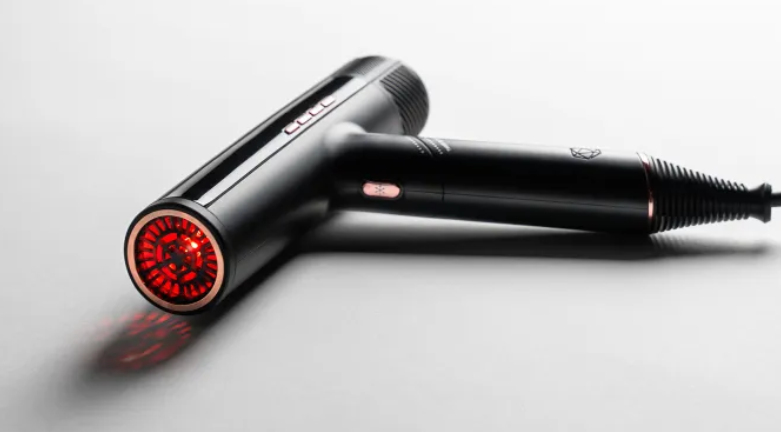
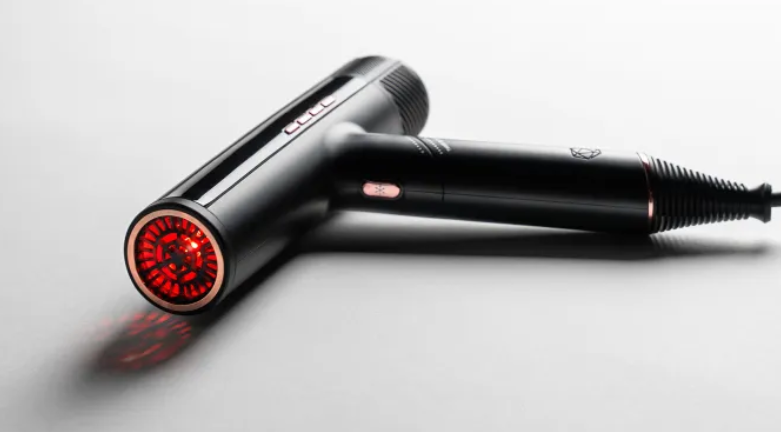
red light hair dryer

Is a red light hair dryer actually better for damaged hair, or are you paying extra for a trendy feature? If your hair is already dry, brittle, or weakened from frequent heat styling, choosing the right hair dryer could make a noticeable difference in how your hair looks and feels. Red light hair dryers claim to combine light therapy with traditional drying to deliver these benefits with less reliance on direct heat.

We’ll break down the potential benefits, what the research really says, and whether a red light hair dryer makes sense for damaged hair in 2026.
 

Quick Verdict

Best For: People with damaged, fine, or heat-stressed hair who want a gentler drying routine without giving up their blow dryer entirely.

🚫 Not Ideal For: Anyone buying specifically for the red light. The heat reduction is the real benefit here, and the light’s added claims are worth a closer look before you count on them.

Bottom Line: A red light hair dryer can genuinely help protect damaged hair but not necessarily for the reason the name implies. See the full breakdown below.


What Is Red Light Hair Dryer Technology?

Red light hair dryers represent a shift from standard convective heating. They use red light wavelengths as part of the drying process, rather than relying purely on conventional heating elements.

In traditional hair dryers, hot air and a heating coil do all the work. Moisture is evaporated through heat and airflow alone, and repeated exposure to that heat can dry out and roughen the hair cuticle over time. Red light hair dryers add a light source, usually in or near the visible red spectrum, alongside that heat. Manufacturers position this as a gentler alternative, one that’s less reliant on high heat to dry hair.

The main idea isn’t that the light completely replaces heat. It’s designed to work with the dryer’s airflow and heating elements. The light is said to transfer energy in a different way, which may help dry hair effectively while reducing the amount of direct heat needed.


Does Red Light Actually Help Damaged Hair?

Red light therapy itself has real research behind it but almost all of that research comes from dedicated light-therapy devices, not hair dryers. Studies in the 630–680 nm range have shown red light can stimulate hair follicles, and the FDA has cleared several standalone light-therapy devices (caps, combs, panels) based on that research, primarily for androgenetic alopecia (pattern hair loss). Ex vivo research on human hair follicles has also found that light in this range can support growth and reduce early shedding at the follicle level.

Here’s the gap that matters: that research involves sustained, static light held directly against the scalp for extended periods — often 15 to 30 minutes, several times a week, over months. A red light hair dryer applies light briefly, while moving, during the few minutes it takes to dry your hair. Those are different use cases, and the benefits documented for one haven’t been independently tested for the other. At-home red light hair dryers currently have less definitive evidence behind them than the clinical devices this research was actually conducted on.


Benefits of Red Light Hair Dryer Technology on Damaged Hair

Damaged hair from heat styling, chemical treatments, or over-brushing is typically more porous and prone to further breakage from high heat. Red light hair dryers are marketed as a way to reduce that risk by lowering reliance on direct heat during drying. Manufacturers commonly claim the following benefits:

Reduced Heat Exposure

Less dependence on high-temperature airflow may mean less thermal stress on already-weakened hair strands. High heat breaks down the protein bonds (keratin) that give hair its structure, and repeated exposure compounds that damage over time which is why stylists often recommend the lowest effective heat setting for compromised hair.

Gentler Drying Overall

By pairing light with lower or more moderate heat settings, the drying process is positioned as less harsh on the hair shaft than a standard high-heat dryer. This matters most for hair that’s already chemically processed (colored, relaxed, permed), since those treatments strip some of the hair’s natural protective layer, leaving it with less buffer against additional heat stress during everyday drying.

Gentler Moisture Retention

Some brands claim this drying method helps keep more of the hair’s natural moisture than traditional heat-only drying. Too much heat can make hair dry and brittle, leaving it looking dull and feeling rough. When hair loses moisture, the outer layer can become uneven, making it harder for the hair to reflect light and look smooth.

Reduced Frizz

Lower heat exposure is associated with less cuticle disruption. The raised, roughened cuticle layer is a primary driver of frizz so some brands extend this into a frizz-reduction claim. When the cuticle lies flatter, hair also tends to look shinier and feel smoother, which is why frizz and dullness are often discussed together rather than as separate issues.

Support for scalp health

Red light may improve blood flow and support cellular activity, which has been studied in skin and scalp research. Some brands suggest this could create a healthier environment for hair growth because better circulation may help deliver oxygen and nutrients to hair follicles. However, these studies did not specifically test light built into hair dryers, so the same benefits can’t be assumed.


What to Look for When Buying a Red Light Hair Dryer

If you’re shopping for a red light hair dryer, the features that actually matter go beyond just “does it have a red light.” Here’s what’s worth checking before you buy:

Check the Wavelength, Not Just the Word “Red Light”

Research on red light and hair points to a specific range: 630–680 nm. If a listing just says “red light” without giving that number, there’s no way to know if it’s actually in the range that’s been studied. Treat “red light” alone as marketing, not proof.

Infrared Light and Red Light Aren’t the Same Thing

These two get mixed up a lot, sometimes on purpose, sometimes by mistake. An infrared hair dryer can use infrared light technology to heat hair without emitting red light, or the reverse. Infrared technology and red light are different mechanisms that just happen to get bundled into the same devices. Don’t assume one means you’re getting the other.

Look for Smart Heat Control

A dryer with automatic temperature control helps protect hair from heat damage, especially for fine, thin, or already-damaged hair. Smart hair dryers are increasingly common, though few smart hair dryers actually publish the temperature range they operate in.

Ionic Technology Solves a Different Problem

This is a separate feature from red light. An ionic hair dryer uses negative ion technology to cut down frizz and static, not to affect scalp or hair health. Having one doesn’t mean you’re getting the other.

Don’t Forget the Basics: Wattage, Noise, and Weight

Higher wattage usually means faster drying. Lower decibels mean a quieter dryer. Lighter weight matters if you’re styling for a while. These are simple, easy-to-check specs that make a real difference day to day.


How to Use a Red Light Hair Dryer for Best Results

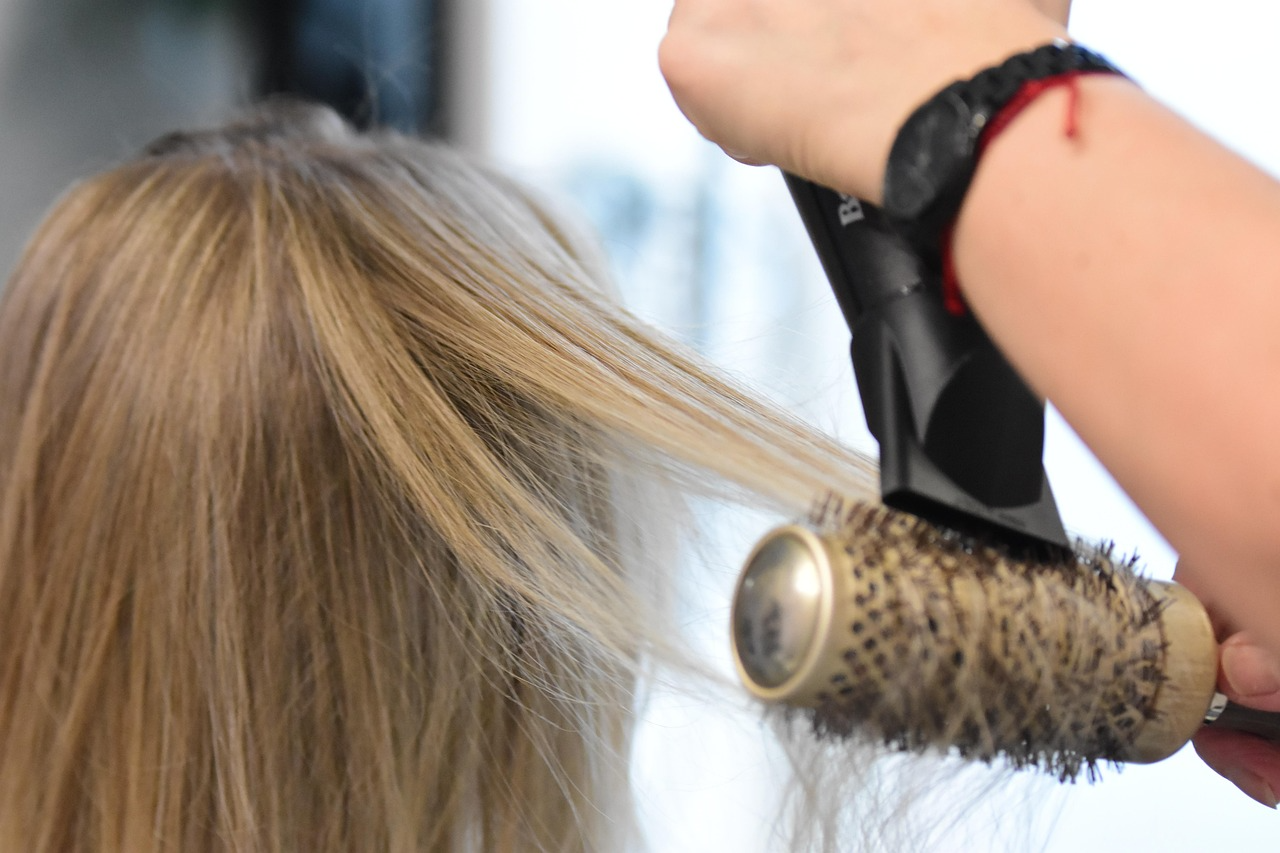
red light hair dryer on thin hair

Getting the most out of a red light hair dryer comes down to technique, not just the technology itself. Here are habits that make the biggest difference:

Start on Lower Heat Especially for Fine or Damaged Hair

Before drying, gently detangle damp hair with a wide tooth comb rather than a brush. This reduces breakage before heat is even involved. Start on the lowest heat setting your hair dryer offers and increase only if hair isn’t drying in a reasonable time. Fine hair or damaged hair should stay on low-to-medium heat. Even with intelligent heat control or gentler heat-transfer technology, starting on a lower setting reduces the risk of over-drying. Reserve high heat for occasional quick-dry situations, not daily use.

Keep the Dryer Moving

Keep the dryer moving continuously rather than holding it still on one section. Holding any dryer — red light or not — in one spot for too long concentrates heat and increases the risk of damage. Continuous, sweeping motion protects hair regardless of what technology the dryer uses.

Maintain Reasonable Distance

Keep the hair dryer at least 6 inches away from your scalp and hair at all times. This isn’t red-light-specific but it’s a basic heat-safety practice that applies to any hair dryer, especially for fine, damaged, or brittle hair. Holding it closer concentrates heat on a smaller area, which is what actually causes heat damage not the dryer’s wattage in isolation.

Use the Cool Shot Function (If Available)

If your hair dryer includes a “cool shot” function, use it at the end of each session. A final cool blast helps seal the cuticle and lock in smoothness, without adding further heat exposure which matters more the more damaged or heat-sensitive your hair already is.

Don’t Expect the Red Light to Do Extra Work by Drying Longer

Since the clinical research on red light and hair growth involves sustained exposure over months through dedicated devices — not daily blow-drying — there’s no evidence that drying longer or holding the dryer closer increases any red-light benefit. Longer exposure to heat, red light or not, just increases the risk of heat damage. Use good drying technique for its own sake, not as a way to “maximize” an unproven effect.

Pair It With Good Hair Care Habits

If damaged hair is your main concern, heat-protectant products, trimming split ends, and reducing overall heat styling frequency are the interventions with actual evidence behind them. A red light hair dryer can be part of a gentler routine, but it isn’t a stand-in for those basics.

Limit Heat Exposure

Daily heat styling even on lower settings adds up over time. If hair is already damaged or fine/fragile, consider air-drying partially before finishing with the dryer to reduce total heat exposure, or limiting full heat-dryer use to every other day where your routine allows it.

 

Frequently Asked Questions

What are the benefits of using a red light hair dryer for damaged hair?

The clearest benefit comes from reduced heat exposure, not the light itself. These hair dryers are typically designed to rely less on high heat, which helps prevent further breakage in already-weakened hair, retain moisture, and reduce frizz caused by a roughened cuticle. Other dryers claim red light may support scalp health and hair growth by influencing cellular activity and blood flow.

What are the latest innovations in red light hair dryer technology?

The broader trend across the hair tool industry in 2026 is lower-temperature styling assisted by light. For example, competitor tools using infrared light to let straighteners run at roughly 320°F instead of 400°F+, reducing heat damage while maintaining styling results. Red light hair dryers apply a similar lower-heat-reliance principle to drying rather than styling.

How does a red light hair dryer improve hair health compared to standard dryers?

The improvement is mainly indirect: less reliance on high heat means less protein (keratin) breakdown and less cuticle disruption than a standard high-heat dryer.

Do red light hair dryers really help reduce frizz?

Indirectly, yes. Lower heat exposure keeps the hair cuticle flatter, and a flatter cuticle is what actually reduces frizz. That’s a heat-management effect more than a light-specific one.

Can I use a red light hair dryer on color-treated hair?

Yes and it may be a good fit specifically because color treatment already strips some of the hair’s natural protective layer, leaving it more vulnerable to heat damage. A hair dryer that relies less on high heat is generally gentler on chemically treated hair than a standard high-heat dryer, though the same rules apply: start on lower heat and avoid daily high-heat use.

Can I use a red light hair dryer on wet hair straight out of the shower?

It’s better to gently towel-dry and detangle hair first. Dripping-wet hair takes longer to dry and needs more heat exposure to get there, which works against the lower-heat approach these dryers are designed around. Removing excess water and detangling with a wide tooth comb beforehand means you can dry effectively on a lower heat setting.

Are red light hair dryers safe to use daily?

Generally yes, with the same precautions as any hair dryer. Start on lower heat, keep it moving, maintain distance, and use a cool-shot finish if available. Daily high-heat settings are the actual risk, not the presence of red light.


Takeaway

A red light hair dryer isn’t necessarily a gimmick, but it’s also not the breakthrough that some marketing may suggest. The most practical benefit is its potential to reduce heat exposure. Using less direct heat can help limit further moisture loss, breakage, and frizz, especially if your hair is already damaged.

Red light therapy has been studied for scalp health and hair growth, but those studies generally use dedicated devices that provide longer, more consistent light exposure. That’s different from using a hair dryer for a few minutes, so the same results shouldn’t automatically be expected.

If you’re buying a red light hair dryer, don’t choose one based on the red light alone. Look for features that directly affect how gently it dries your hair, such as adjustable heat settings, effective airflow, reasonable weight, and a wavelength range that’s clearly stated. If your main goal is protecting damaged hair, using a heat protectant, limiting how often you use high heat, and giving your hair time to air-dry can be just as important.


Looking for a red light hair dryer built specifically for fine or thin hair? Read our SRI Hair Dryer Review: How to Use the Dry Q for Fine, Thin Hair for a full breakdown of settings, technique, and what to expect.


Tria Regina David

Tria David is a content writer, SEO specialist, and digital strategist dedicated to helping shoppers make informed, confident decisions. She creates research-driven buying guides, product comparisons, and practical resources that simplify complex information and provide real value to readers. With experience across diverse industries — including legal, technology, home improvement, health and more — Tria combines data-backed SEO strategy with a reader-first approach, so her content not only ranks well but truly helps consumers navigate their choices.