Advertising Disclosure
How to Whiten Teeth at Home: 7 Dentist-Approved Methods
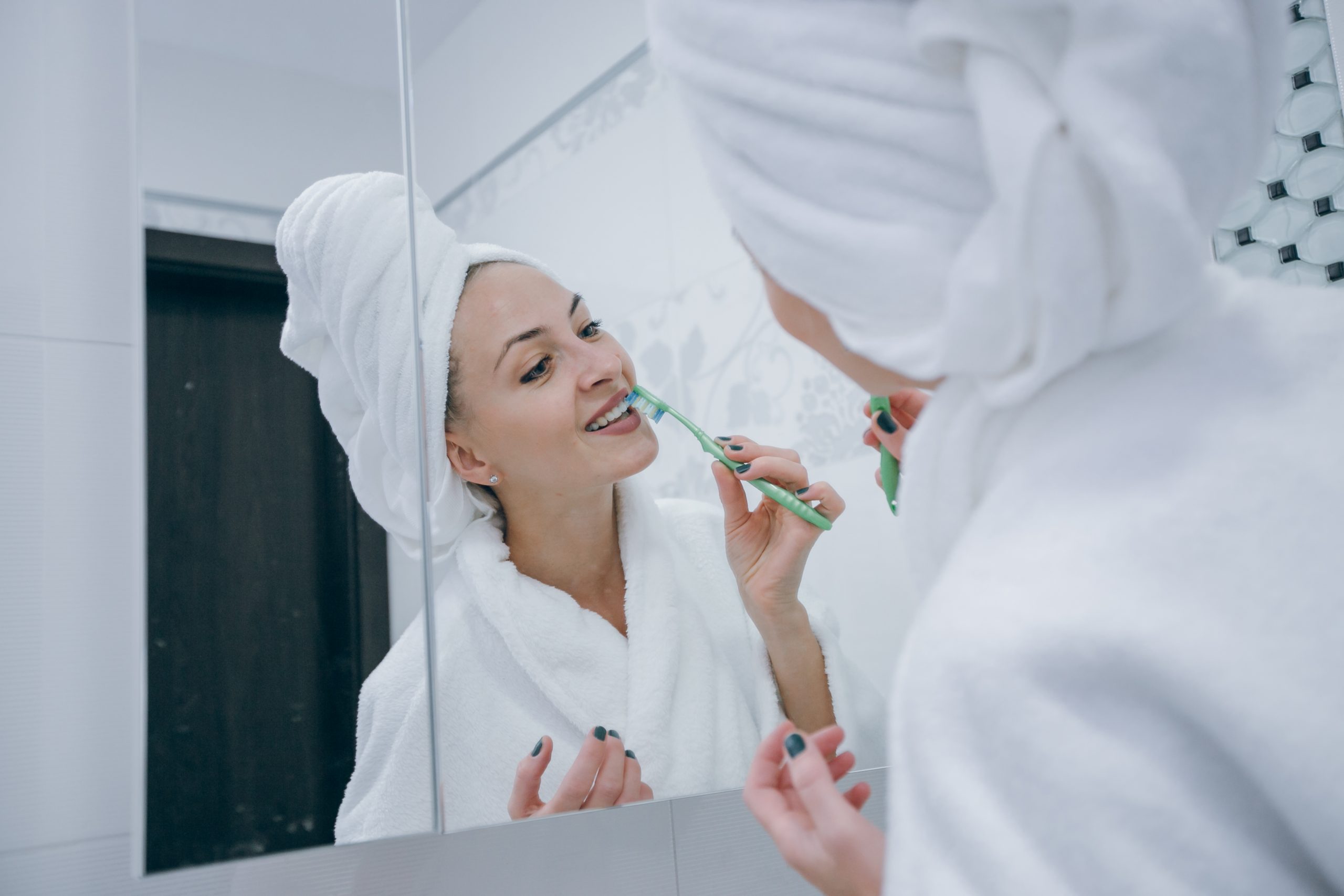
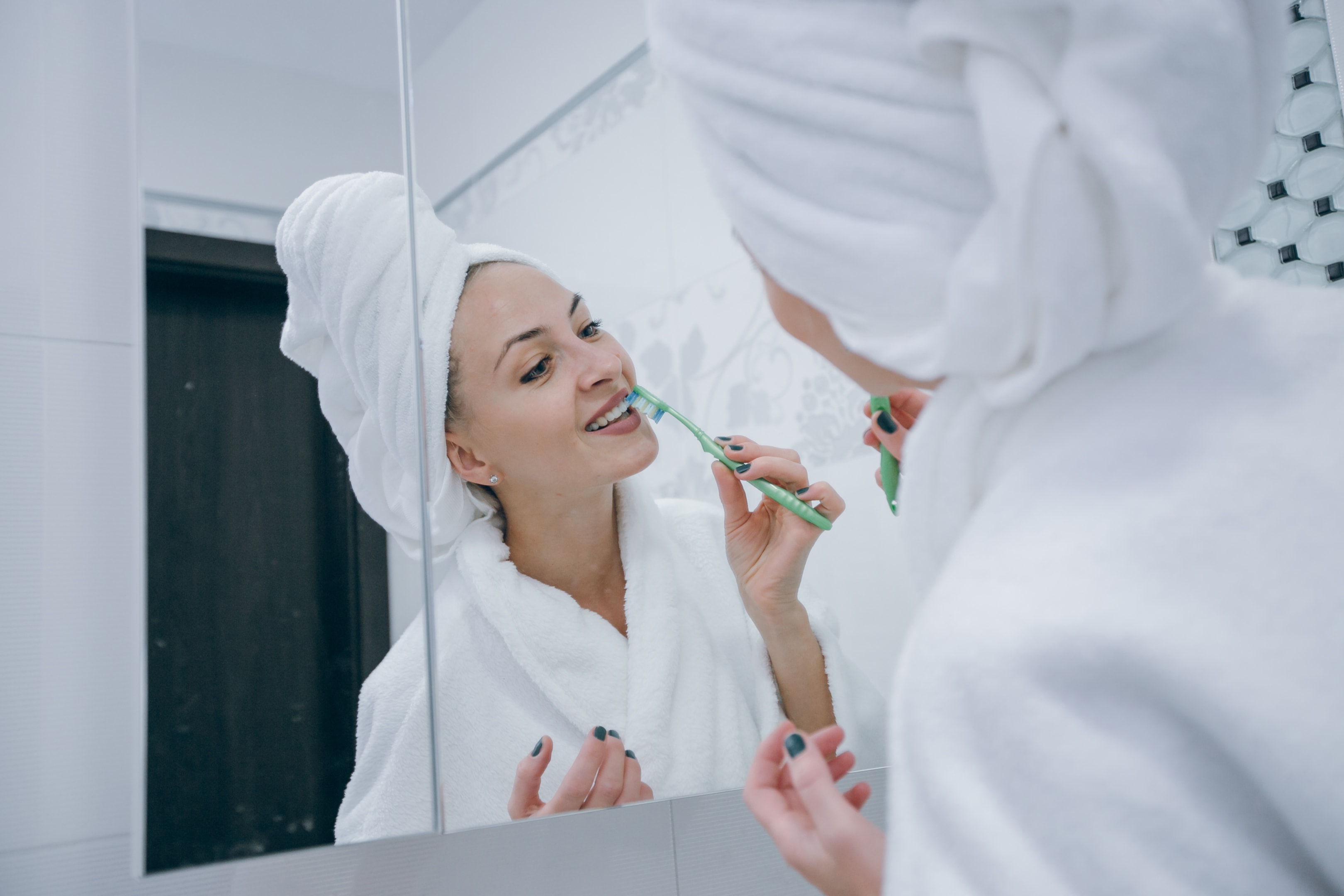
Teeth stains are common and often caused by coffee, tea, certain foods, and everyday habits. Over time, they can make your smile look dull.
The good news is that there are simple and safe ways to whiten teeth at home without expensive treatments. With the right habits and dentist-approved methods, you can achieve a brighter, healthier, more confident smile.
Causes of Teeth Stains
Teeth stains can sneak up on anyone, and knowing what causes them is the first step to a brighter smile. Here are the main culprits:
Foods and Drinks
Coffee, tea, red wine, dark sauces, and berries can leave stubborn stains over time. Using a straw for drinks or rinsing your mouth afterward can help reduce staining.
Tobacco Use
Smoking or chewing tobacco can cause deep, hard-to-remove discoloration that often requires professional treatment.
Aging
As we get older, enamel thins and exposes the naturally yellow dentin beneath, making teeth appear darker.
Medications
Certain antibiotics, antihistamines, and blood pressure medications can contribute to teeth discoloration, especially if used during childhood.
Poor Oral Hygiene
Inadequate brushing and flossing allow plaque and tartar to build up, which can trap stains and worsen discoloration.
Fluoride Overexposure
Too much fluoride in childhood can cause white or brown spots on teeth, known as fluorosis.
Genetics
Some people naturally have thinner tooth enamel or slightly darker dentin, making teeth more prone to staining even with good care.
Dentist-Approved Tricks to Whiten Teeth at Home
1. Use a Whitening Toothpaste with Proven Ingredients
Toothpaste containing gentle whitening agents like hydrogen peroxide or mild abrasives can help remove surface stains over time. Look for products with the ADA (American Dental Association) seal of approval, which ensures safety and effectiveness. Consistent brushing twice a day, and don’t forget to replace your toothbrush every 3 months to avoid plaque buildup.
2. Try Dentist-Approved Whitening Strips or Gels
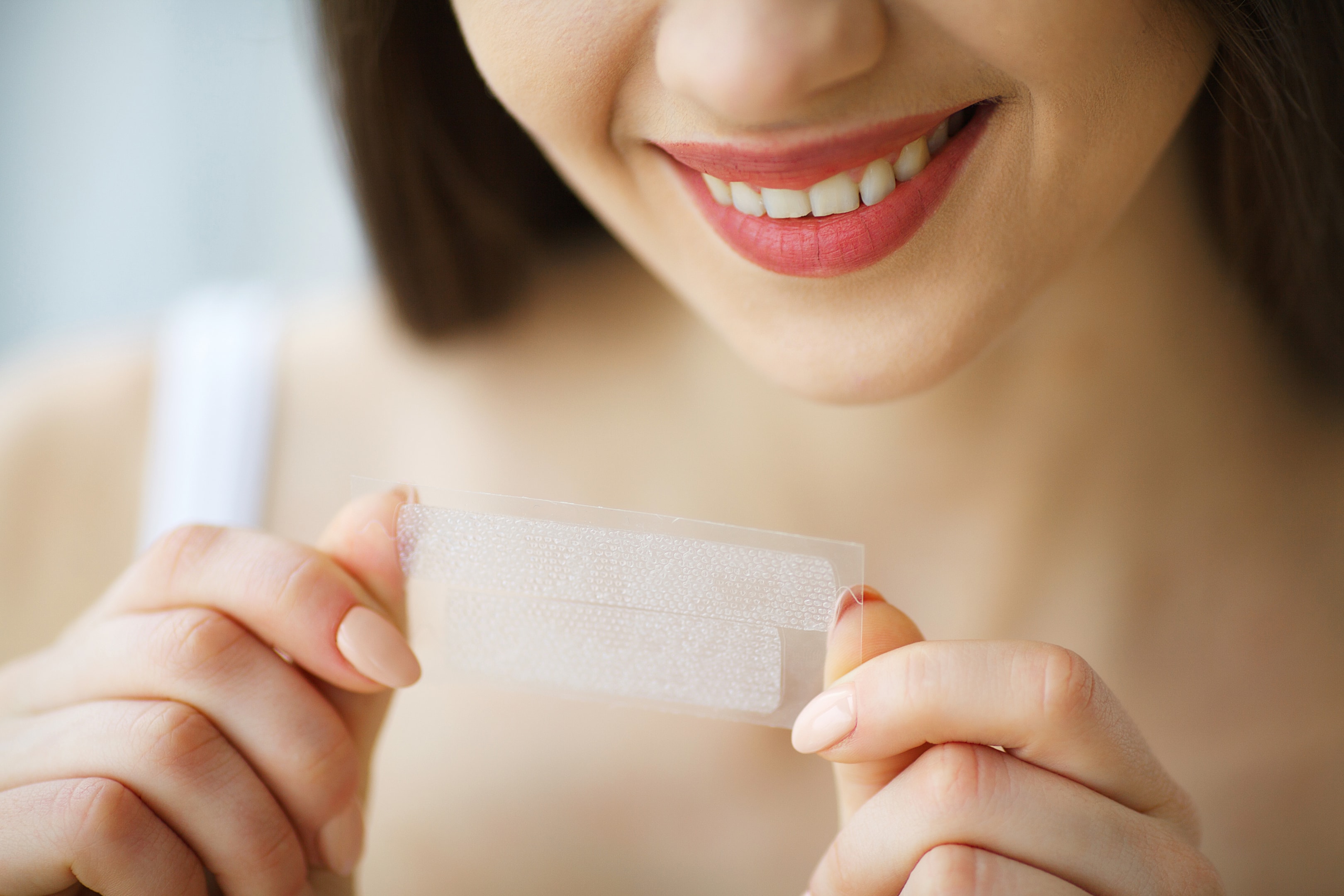
Teeth whitening strips and gels can deliver noticeable results in a short time if used correctly. Apply exactly as directed, usually once or twice a day, and avoid leaving them on longer than recommended to prevent enamel damage or sensitivity. Pairing these with regular brushing can accelerate results.
3. Maintain a Strong Oral Hygiene Routine
Plaque and tartar not only dull your smile but can trap stains, making whitening less effective. Brushing, flossing, and rinsing with an antibacterial mouthwash reduces buildup and strengthens enamel. Using an electric toothbrush can also improve stain removal compared to manual brushing.
4. Safe DIY Methods to Support Whitening
Some natural approaches, like oil pulling with coconut oil or brushing gently with a baking soda paste, can help lift minor stains. Always use these in moderation because overuse can erode tooth enamel. For best results, combine them with your regular toothpaste rather than replacing it.
5. Eat and Drink Smarter for a Brighter Smile
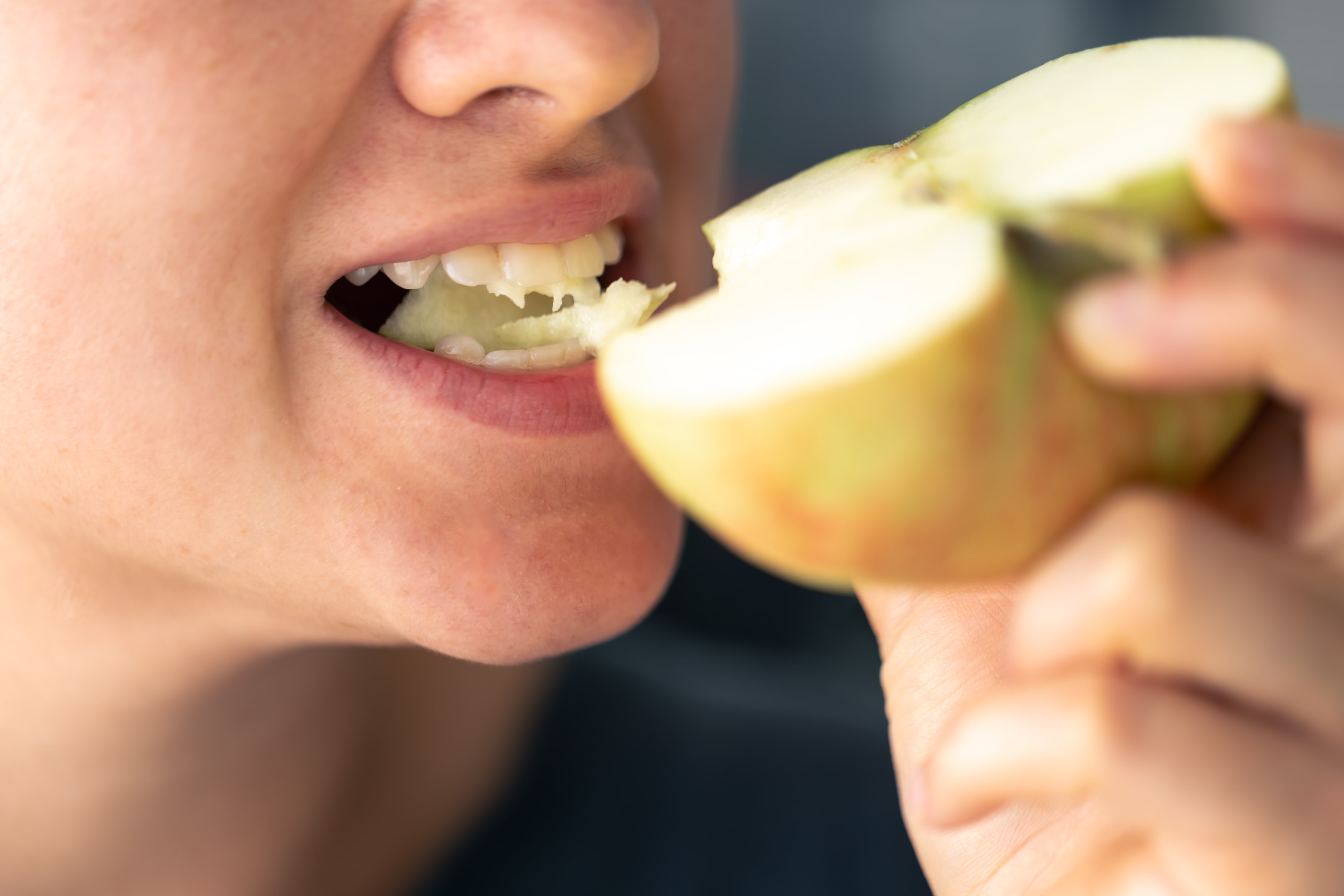
Certain foods and drinks contribute heavily to staining. Coffee, tea, red wine, and dark sauces should be enjoyed in moderation, and rinsing your mouth with water afterward helps reduce staining. On the flip side, crunchy fruits and vegetables like apples, carrots, and celery act as natural toothbrushes, scrubbing away surface stains while promoting saliva flow, which naturally cleans teeth.
6. Avoid Habits That Cause Deep Staining
Smoking and chewing tobacco cause long-lasting discoloration that’s hard to remove with home remedies. Quitting or significantly reducing these habits can dramatically improve your teeth’s brightness over time.
7. Boost Results with Consistency and Patience
Even the best methods take time. Combining brushing, teeth whitening products, dietary adjustments, and lifestyle changes consistently over days or weeks gives the best long-term results. Quick fixes rarely last, but consistent care ensures your smile stays bright.
8. Protect Your Enamel While Whitening
Many people overuse teeth whitening products or abrasive DIY methods, which can damage enamel. Stick to recommended frequencies, avoid acidic or abrasive substances immediately after whitening, and consult a dentist if you experience sensitivity. Healthy enamel is essential for a naturally bright smile.
Your Daily Teeth Whitening Routine
Start Strong: Brush twice daily with a whitening toothpaste or gel and floss thoroughly. Rinse with water after meals to prevent new stains.
Add a Whitening Boost: Use a dentist-approved whitening strip or gel as directed. Follow instructions carefully to avoid sensitivity.
Mind Your Diet: Limit coffee, tea, red wine, and dark sauces. Snack on crunchy fruits and vegetables like apples and carrots to naturally clean teeth.
Gentle Surface Care: Repeat brushing and flossing, and occasionally use a gentle baking soda paste to lift surface stains. Protect your tooth enamel by not overusing it.
Stay Hydrated: Drink plenty of water and rinse after meals. Saliva helps clean teeth naturally and supports whitening.
Optional Extra Step: Try oil pulling with coconut oil for 5–10 minutes to help reduce plaque and minor stains.
Combine Habits: Maintain your brushing, flossing, whitening, and diet practices daily for the best long-term results.
Brighten Your Smile Today
No matter what caused your teeth stains—coffee, tea, aging, or everyday habits, you now have the tools to make a real difference. By following these dentist-approved tricks and making them part of your daily routine, you can brighten your smile safely and effectively from home while supporting your overall oral health.
Start small, stay consistent, and incorporate these steps into your everyday habits. Over time, you’ll notice a healthier, whiter, more confident smile—and with ongoing care, you can maintain it long-term. Don’t wait to feel confident about your smile. Try these tips today and see the difference for yourself!
Want more expert-backed tips like this? Subscribe to our weekly newsletter for practical advice and product recommendations you can actually use.
Frequently Asked Questions
Can I safely whiten my teeth at home?
Yes! Using dentist-approved products and following safe methods makes at-home whitening generally safe. Avoid overusing strips, gels, or abrasive DIY remedies, and always follow the instructions for the best results.
How long does it take to see results?
Results vary depending on your teeth and the type of stains. Many people notice gradual improvements within a few days, while more noticeable results come with consistent care over time.
Will whitening products damage my enamel or make my teeth sensitive?
When used correctly, whitening products shouldn’t damage enamel. Some people may experience temporary sensitivity, which usually goes away. Avoid overusing products or harsh DIY methods to protect your teeth.
Which whitening methods are most effective?
Dentist-approved whitening strips, gels, and toothpaste with hydrogen peroxide are typically the most effective. Combining these products with good oral hygiene and stain-conscious habits delivers the best results.
Can I use DIY remedies like baking soda or coconut oil safely?
Yes, occasionally. Baking soda can help remove surface stains, and coconut oil pulling may reduce plaque. Overuse can harm enamel, so limit these methods to a few times per week.
Do whitening products work on all types of stains?
Not always. Surface stains from food, drinks, or smoking respond best. Deep intrinsic stains—caused by aging or certain medications—may require professional treatment for full results.
What are the different teeth whitening options available at home?
There are several dentist-approved at-home options:
Whitening Toothpaste: Contains mild abrasives or low-concentration peroxide to remove surface stains. Best for maintenance rather than dramatic results.
Whitening Strips: Thin, peroxide-coated strips that adhere to teeth and gradually lighten stains over several uses. Follow instructions carefully to avoid sensitivity.
Whitening Gels & Trays: Applied directly to teeth with a tray; often stronger than strips and can target multiple teeth at once.
Whitening Pens: Convenient for touch-ups or hard-to-reach spots. Ideal for on-the-go use.
Natural Methods (Occasional Use): Baking soda paste or coconut oil pulling can help remove surface stains, but should be used sparingly to protect enamel.
How often should I repeat a whitening routine?
Follow the instructions for your product. Many at-home routines can be repeated every few months, but consistent daily oral care is just as important for long-term results.
Are there foods or drinks I should avoid while whitening?
Yes. Limit coffee, tea, red wine, dark sauces, and acidic drinks, or rinse with water immediately after consuming them. Crunchy fruits and vegetables like apples and carrots can help naturally clean teeth.
Can kids or teenagers use at-home whitening products?
Whitening products are generally safe for older teens. Children under 12 should avoid them unless a dentist advises otherwise. Always consult a dental professional before use.
What should I do if I experience sensitivity or discomfort?
Pause whitening products temporarily and give your teeth a break. Use toothpaste for sensitive teeth, avoid abrasive methods, and consult your dentist if discomfort continues.