Advertising Disclosure
Is the Borhood Ultrasonic Pest Repeller Effective? Real Testing & Results
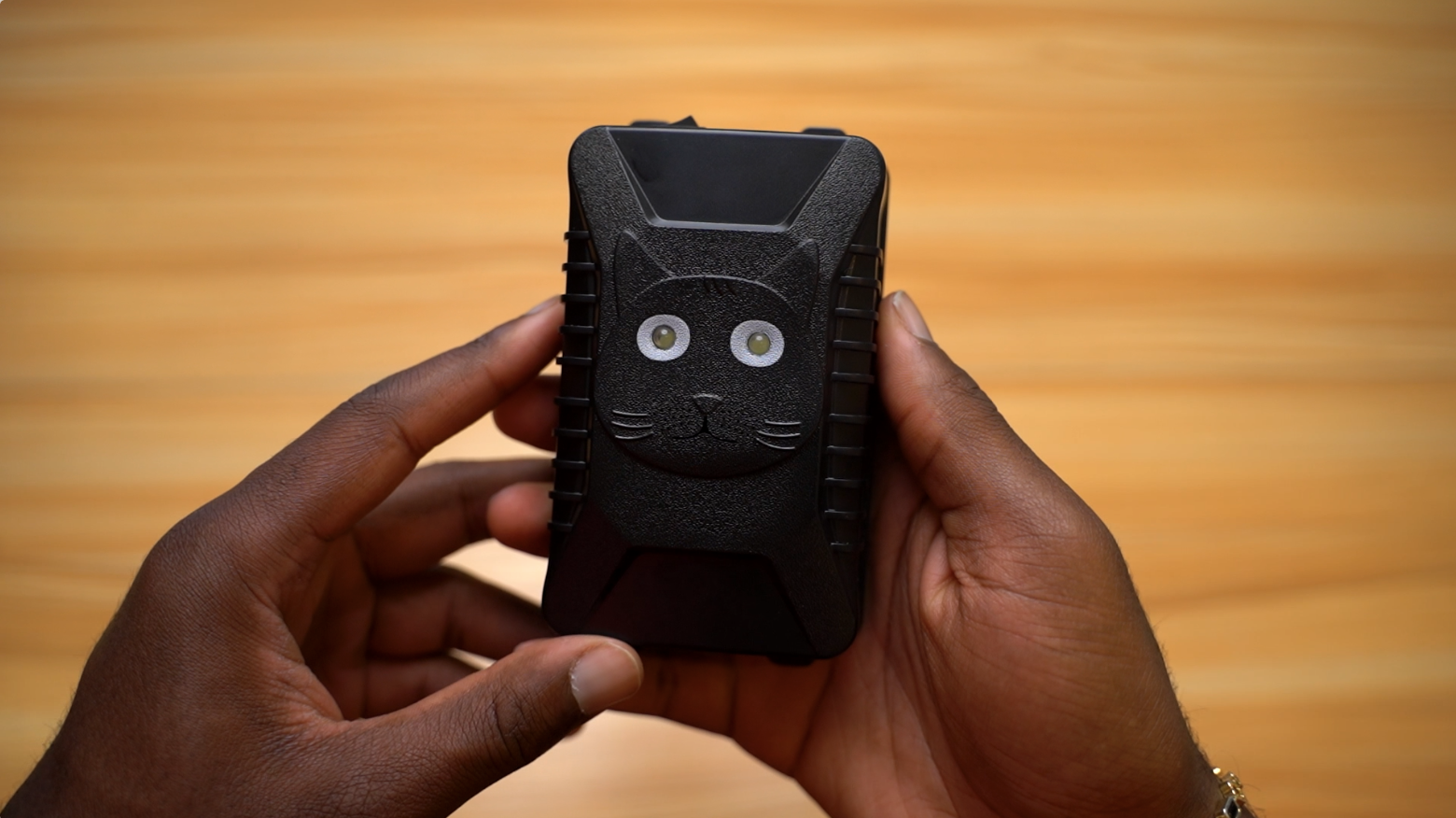
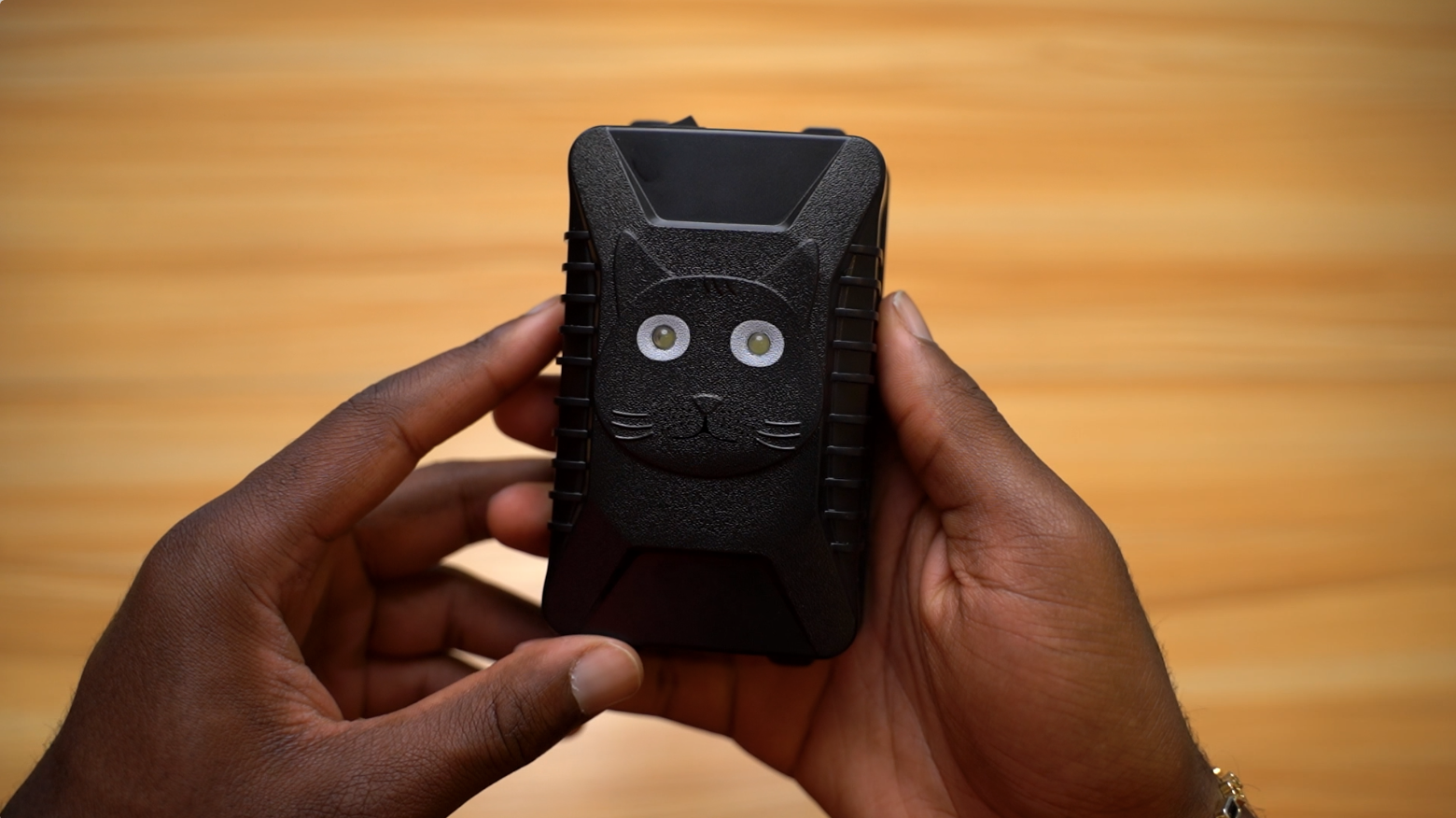
You’ve sealed the gaps, set the traps, and tried every trick in the book and they’re still there. At some point, you start looking for something easier. Something you can just plug in and let run. That’s exactly what the Borhood Ultrasonic Pest Repeller promises — a simple, chemical-free device that uses high-frequency sound waves to keep rodents away for good.
It’s an appealing promise. But at $54.99, it had better deliver.
We put the Borhood through two rounds of real, hands-on testing using live mice to find out if it actually works or if it’s just another overpriced gadget that sounds good on paper.
The results may surprise you.
⭐ Quick Verdict
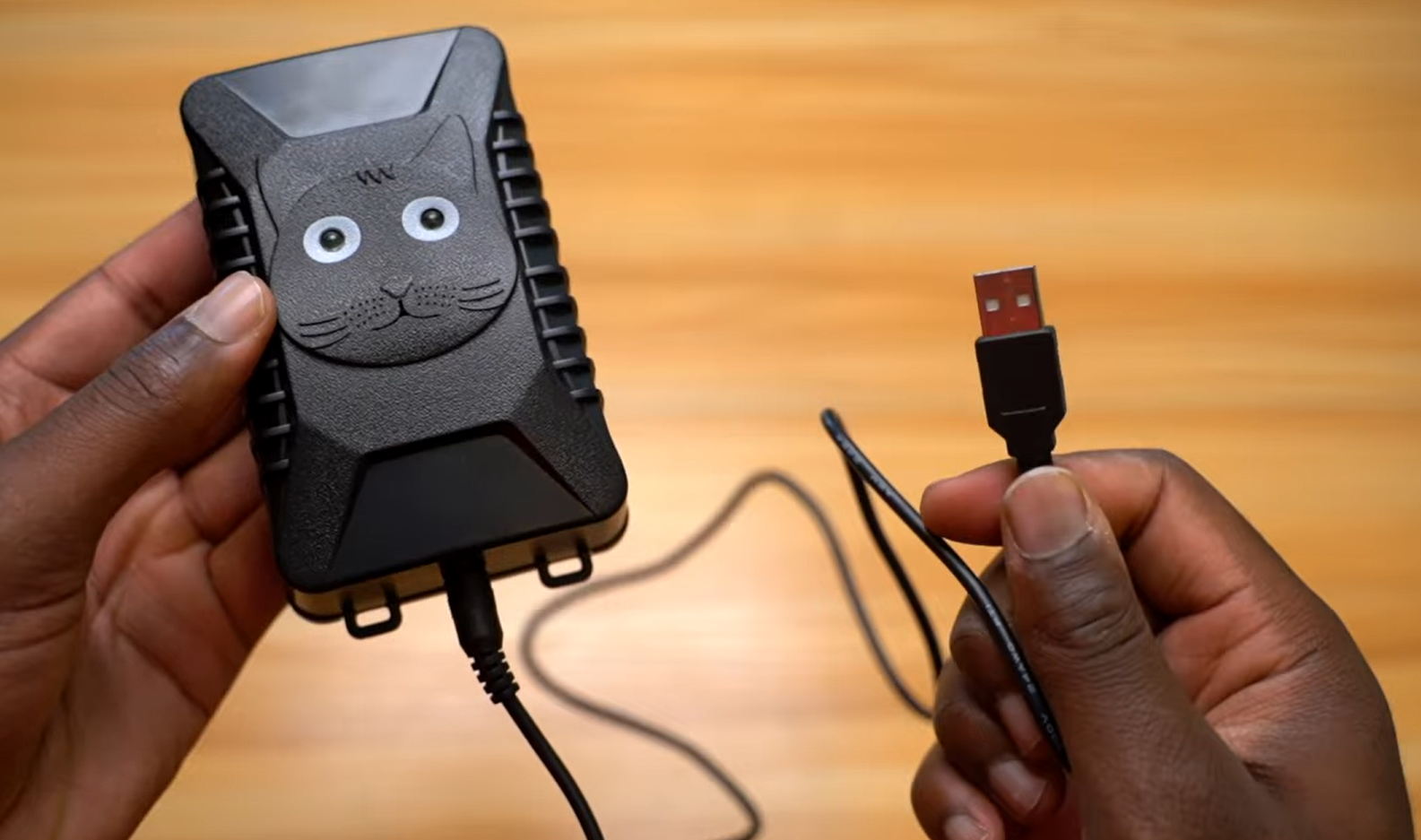
The Borhood Ultrasonic Pest Repeller comes packed with features — wide coverage, multiple working modes, flexible power options, and a chemical-free design that’s safe for the whole family. On paper, it checks all the right boxes. But does it hold up when tested against real mice? We put it through two controlled tests to find out. Read on for the full results.
Borhood Ultrasonic Pest Repeller: Key Features and Specifications
The Borhood Ultrasonic Pest Repeller is a compact device that combines ultrasonic waves with LED strobe lights to drive away mice, rats, squirrels, and other pests. Flexible enough for both vehicles and indoor spaces such as garages, attics, basements, and storage rooms, it runs on three power options: AA batteries, USB, or a direct car connection. Best of all, the high frequency sound waves it emits is completely inaudible to humans and pets, making it a safe, chemical-free alternative to traditional pest control.
Key Features
Upgraded Ultrasonic Defense
Using ultrasonic sound frequencies between 25kHz and 65kHz, this plug-in device targets a broad spectrum of unwanted guests from mice, rats, and squirrels to cockroaches, spiders, and ants without the mess of traps or the risks of chemical treatments.
Room-by-Room Protection
Built to handle large open areas including kitchens, living rooms, basements, and garages. For best results, plug one unit into each separate room since the sound waves won’t travel through thick walls or bulky furniture. Ideal placement is anywhere between 10 and 50 inches off the ground.
Adjustable Settings for Every Situation
Three modes let you dial in the right level of deterrence. Two quieter modes handle everyday pest prevention, while the third delivers a stronger, more aggressive signal best reserved for empty spaces like attics or when the house is unoccupied.
Runs Quietly in the Background
At just 3–5 watts, it sips power rather than consuming it. Plug it in once and let it run around the clock — no bait to replace, no traps to check, and a built-in LCD screen to confirm it’s working at a glance.
Chemical-Free
No chemicals, no toxins, no radiation. Safe to run in homes with kids, dogs, and cats. Just keep it away from pet rodents like hamsters, as the frequencies will affect them too.
Flexible Power Options
Works with AA batteries, a USB adapter, or a direct car connection, making it just as useful under a vehicle hood as it is plugged into a wall at home.
Serious Square Footage
Each unit is capable of covering up to 4,000 square feet, giving you solid, wide coverage protection across large spaces when deployed correctly.
Specifications
| Specification | Details |
|---|---|
| Product Name | Borhood Ultrasonic Pest Repeller |
| Technology Used | Ultrasonic waves + LED strobe lights |
| Frequency Range | 25kHz – 65kHz |
| Coverage Area | Up to 4,000 sq ft per unit |
| Power Consumption | 3–5 Watts |
| Power Options | AA Batteries / USB (5–12V) / DC Car Connection |
| Working Modes | 3 Modes (Pressure Wave, Ultrasonic, Audible) |
| Display | LCD Screen |
| Indicator Light | Red LED Indicator |
| Strobe Light | Yes (LED) |
| Speakers | 4 Ultrasonic Speakers + 1 Pulse Speaker |
| Placement Height | 10–50 inches above floor |
| Target Pests | Mice, Rats, Squirrels, Bats, Cockroaches, Spiders, Ants |
| Safe For | Humans, Dogs, Cats, Children |
| Not Safe For | Pet Rodents (e.g. Hamsters) |
| Chemical-Free | Yes |
| Recommended Areas | Kitchens, Living Rooms, Garages, Attics, Basements, Storage Rooms, Vehicles |
| Pack Options | 2-Pack |
| Expected Results | 3–4 Weeks |
| Price | $54.99 |
How We Tested It
Phase 1: No Bait Test
How We Set It Up: We placed the Borhood ultrasonic mouse repeller inside a sealed bucket together with the mice to create a contained space where every reaction to the device could be closely monitored.
What We Looked For: Throughout the test, we kept a close eye on the mice, specifically noting:
Whether they steered clear of or actively avoided the device
Any behavioral changes suggesting stress, agitation, or unease
Efforts to get out of the bucket
Any visible reluctance or hesitation when near the unit
Phase 2: Bait Test
What We Did: With the Borhood repeller still active, we scattered sunflower seeds directly on top of and around the device to push the test further.
What This Tested: A genuinely effective repeller shouldn’t be overridden by the instinct to eat. If the device performs as claimed, not even food placed right on the unit should be enough to draw the mice in.
Expected Result: A repellent that truly works would create a zone the mice refuse to enter — no inching closer, no investigating the bait, no exceptions whatsoever.
Performance Test Results
No Bait Test
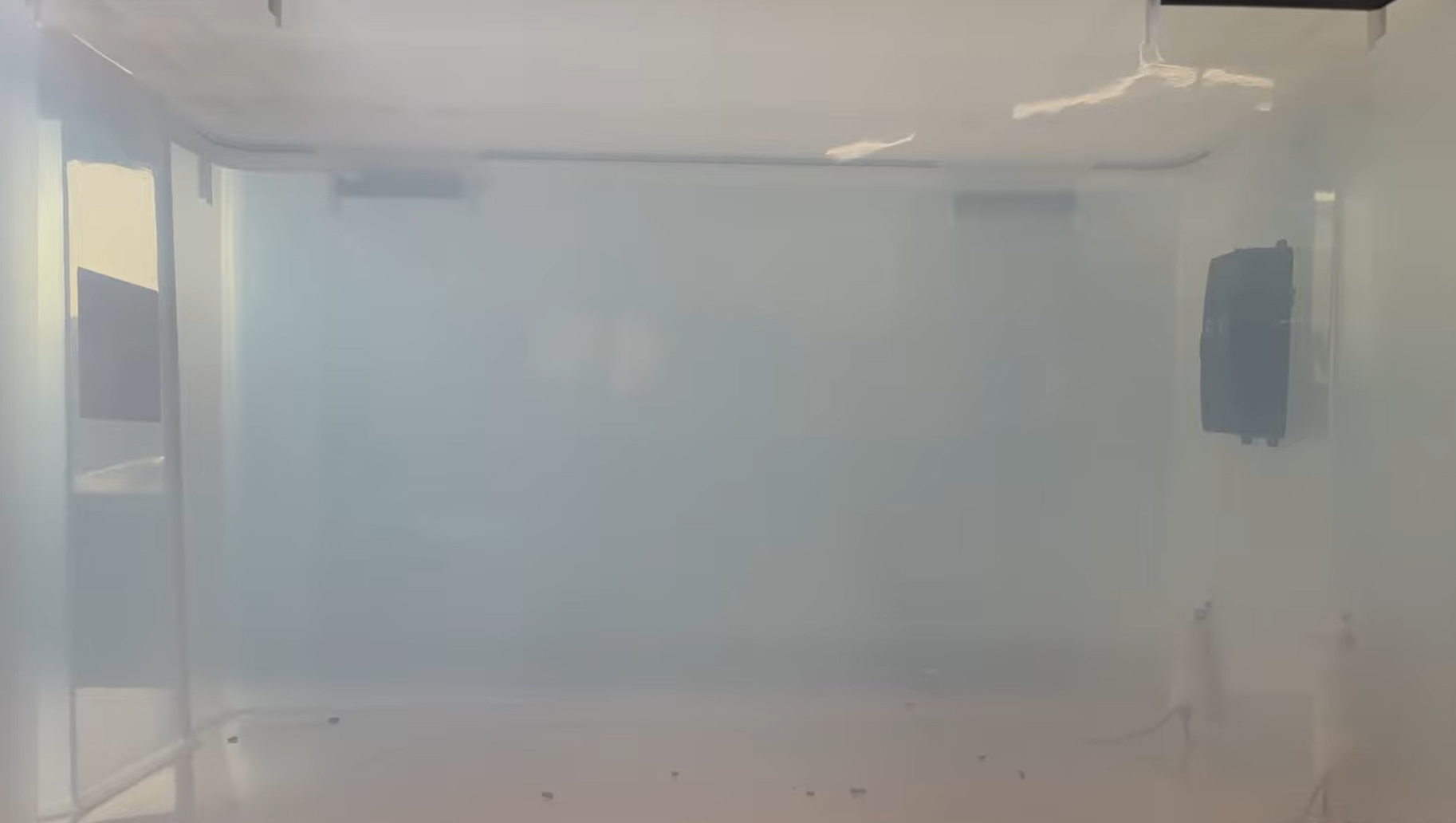
No Bait Test: Given its price tag, expectations were high. After switching it on, the mice briefly stood on their hind legs a couple of times but that’s fairly standard behavior and nothing that suggested the device was causing them any distress. For the most part, they moved around freely, spending plenty of time right alongside the unit without a second thought.
Observation: There were zero signs of avoidance throughout the entire test. The mice showed no hesitation, no stress, and no attempt to stay away from the rodent repeller. Their behavior remained calm and completely unbothered from start to finish.
Bottom Line: For an ultrasonic rodent repellent that doesn’t come cheap, the Borhood delivered a less than convincing performance. Nothing in the mice’s behavior suggested the ultrasonic sound waves were having any effect whatsoever and at this price point, that’s a hard result to overlook.
Bait Test
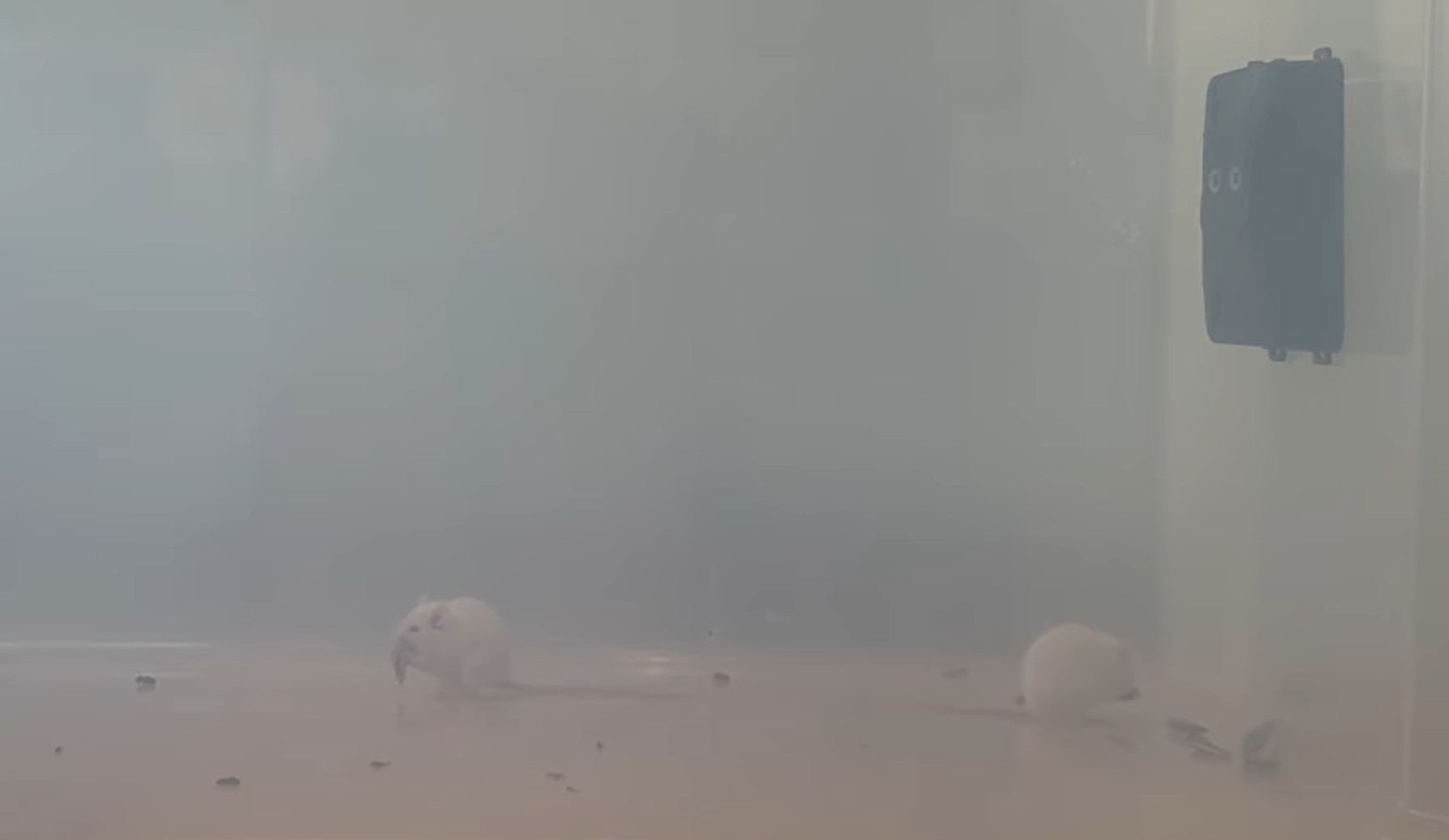
Bait Test: With the device still running, we placed sunflower seeds directly on and around it to see if the Borhood ultrasonic pest repeller could hold its ground against the mice’s natural instinct to feed. If it truly works, the mice shouldn’t go anywhere near it with food or no food.
Observation: The mice didn’t hesitate for a second. They went straight for the seeds, grabbed them, and ate without any sign of discomfort or reluctance. The presence of the device did absolutely nothing to deter them.
Bottom Line: The Borhood ultrasonic pest repeller failed both tests. When hunger was introduced into the equation, it couldn’t even put up a fight. For the price, the device did not show any real ability to keep rodents away during our testing.
Final Results
🧪 No Bait Test
| What We Expected | What Actually Happened |
|---|---|
| Mice stay away from the repeller | Mice continued moving around near the device comfortablyn |
| Rodents show signs of discomfort | Mice appeared calm and behaved normally throughout the test |
| Ultrasonic sound disturbs the mice | No visible reaction to the sound waves |
| Mice avoid areas close to the device | Mice spent long periods beside the repeller without concern |
| Device creates an unpleasant environment | Mice acted completely unaffected |
| Result | ❌ FAILED |
🧪 Bait Test
| What We Expected | What Actually Happened |
|---|---|
| Mice avoid food placed near the device | Mice went straight to the food without hesitation |
| Device prevents feeding behavior | Mice ate normally even with the repeller running |
| Rodents show caution around the area | No caution or hesitation was observed |
| Device disrupts natural feeding instincts | Feeding behavior continued as usual |
| Device creates a deterrent effect even with bait present | No deterrent effect was seen at all |
| Result | ❌ FAILED |
Overall Breakdown
Across both the no-bait and bait tests, the Borhood Ultrasonic Pest Repeller showed no measurable impact on rodent behavior:
❌ No Noticeable Reaction — The mice showed only normal, everyday movement and did not react in any meaningful way when the device was turned on
❌ No Avoidance Behavior — Instead of steering clear, the mice freely explored the area and stayed close to the device for extended periods
❌ No Signs of Distress — Throughout the test, there were no indications of fear, stress, or discomfort from the rodents
❌ Failed Bait Test — Even when food was placed directly on and around the device, the mice ate without hesitation, showing no deterrent effect
❌ Overall Result — The Borhood device did not demonstrate any reliable ability to repel rodents during testing, even under controlled conditions
Borhood Ultrasonic Pest Repeller Pros and Cons
✅ Pros
Wide coverage of up to 4,000 square feet per unit
Three adjustable modes for different pest situations
Flexible power options — AA batteries, USB, or direct car connection
Chemical-free and safe for kids, dogs, and cats
Low energy consumption at just 3–5 watts
Works on a broad range of pests including rodents and insects
Built-in LCD display to monitor working status
Versatile — works both indoors and in vehicles
❌Cons
Failed to repel mice in both the No Bait and Bait tests
Mice showed zero signs of avoidance or distress around the device
Expensive for a device that showed no real results in testing
Takes 3–4 weeks to see any results
Ultrasonic noise cannot penetrate walls or heavy furniture, limiting effectiveness
Third mode can only be used in uninhabited spaces
Not safe for use around pet rodents like hamsters
Borhood Vs Other Ultrasonic Rodent Repeller
| Feature | Borhood Ultrasonic | Xmuniha Ultrasonic | PIMAG Electronic | Haycone High Power | OWLTRA OW-5 |
|---|---|---|---|---|---|
| Frequency range | 25–65 kHz | Single frequency | 10–65 kHz | 20–60 kHz | Single frequency |
| Coverage area | Up to 3,900 sq ft | Up to 1,290 sq ft | Up to 1,600 sq ft | Up to 1,000 sq ft | Medium room |
| Working modes | 4 modes | 3 modes (Day, Night, Auto) | Multiple modes | 3 modes | Single mode |
| Frequency switching | ✅ | ✅ | ✅ | ✅ | ❌ |
| LED / strobe light | ✅ | 9 LED strobe lights | ✅ | ✅ | Night light only |
| PIR motion sensor | ❌ | ✅ 3 infrared sensors | ❌ | ❌ | ❌ |
| 360° coverage | ✅ | ✅ | ❌ | ❌ | ❌ |
| Energy use | 3–5W | Low | Low | 3–5W | 0.35W |
| Safe for kids & pets | ✅ | ✅ | ✅ | ✅ | ✅ |
| Indoor use | ✅ Indoor + outdoor | Indoor only | Indoor only | Indoor only | Indoor only |
| Pack quantity | Individual | Individual | 6 | 6 | 4 |
| Price | $54.99 | $49.99 | $29.99 | $29.99 | $24.69 |
vs Xmuniha Ultrasonic Pest Repeller
The Xmuniha covers a much smaller area at up to 1,290 sq ft compared to the Borhood’s 3,900 sq ft, and it doesn’t support indoor and outdoor use the way the Borhood does. The Xmuniha does have an edge with its 3 PIR motion sensors, which the Borhood lacks entirely. Both devices offer frequency switching, LED strobe lights, and 360° coverage, so they’re fairly matched on those fronts. However, the Borhood pulls ahead with 4 working modes versus the Xmuniha’s 3. To see how the Xmuniha held up in real-world conditions, check out our full Xmuniha Ultrasonic Mouse Repeller review.
vs PIMAG Electronic Rodent Repeller
The PIMAG operates across a wider 10–65 kHz frequency range and covers up to 1,600 sq ft, but it falls short against the Borhood’s massive 3,900 sq ft coverage. The PIMAG also lacks a PIR motion sensor and 360° coverage, two areas where other devices in this lineup have an advantage. Both offer frequency switching and LED strobe lights, but the Borhood’s additional working mode and indoor/outdoor versatility give it a clear edge on paper. See how the PIMAG performed when tested against real mice in our PIMAG Electronic ultrasonic pest repeller review.
vs Haycone High Power Frequency Pest Repellent
The Haycone operates across a 20–60 kHz frequency range and offers 3 working modes, but its coverage maxes out at just 1,000 sq ft — well below the Borhood’s 3,900 sq ft. It also has no PIR motion sensor, no 360° coverage, and is limited to indoor use only. The Borhood outspecifies it across nearly every category. For a closer look at how the Haycone performed in our hands-on test, read our full Haycone High Power Ultrasonic Rodent Repeller review.
vs OWLTRA OW-5 Ultrasonic Rodent Repeller
The OWLTRA OW-5 is the most stripped-down device in the comparison. It runs on a single frequency with no frequency switching, no PIR sensor, no strobe light, and only covers a medium-sized room. Its one standout is energy efficiency at just 0.35W, making it the most power-sipping option in the group. Against the Borhood, the OWLTRA simply doesn’t compete on features — though at this point, a longer spec sheet hasn’t proven to mean better real-world results. Find out how it held up in our full OWLTRA OW-5 ultrasonic rodent repeller review.
Who Is the Borhood Ultrasonic Pest Repeller For
Might Work For:
Homeowners looking for a chemical-free and hands-off way to keep pests away
Car owners who want to protect their vehicle’s engine bay from rodent damage
People dealing with pests across large spaces, given its coverage of up to 3,900 square feet per unit
Households with kids, dogs, or cats who want a trap-free and toxin-free pest control option
Anyone who wants a low-maintenance solution that runs silently in the background 24/7
Those who prefer a preventative measure rather than reactive pest control
People who want a versatile device that works both indoors and in vehicles
Who It’s NOT For:
Anyone dealing with an active rodent infestation who needs immediate, proven results
Those who are expecting fast results — the device requires 3 to 4 weeks before any effect may be seen
Pet rodent owners such as hamsters, gerbils, or guinea pigs, as the frequencies will affect them
Anyone on a tight budget. At $54.99, it is the most expensive option in its category and failed to deliver results in our testing
Frequently Asked Questions
Does the Borhood Ultrasonic Pest Repeller actually work?
Based on our hands-on testing, the Borhood showed no meaningful effect on mice during either the No Bait or Bait Test. The mice moved freely around the device, showed no signs of stress or avoidance, and even ate food placed directly on top of it while it was running.
How long does it take to see results?
According to the manufacturer, it typically takes 3 to 4 weeks of continuous use to see full results. An increase in pest activity during the first week is considered normal as pests are being driven out of their hiding spots.
How large of an area does it cover?
Each unit covers up to 3,900 to 4,000 square feet. However, since ultrasonic waves cannot pass through solid walls or heavy furniture, one unit per enclosed room is recommended for best results.
How many working modes does it have?
It has three modes — Pressure Wave, Ultrasonic, and Audible. The audible mode is the most aggressive and is best used in uninhabited spaces like attics or when no one is home.
How much power does it use?
It consumes just 3 to 5 watts, which is less than a standard nightlight, making it very energy efficient for around-the-clock use.
What power options does it support?
It can be powered three ways — AA batteries, a USB cable connected to a 5 to 12V adapter, or a direct DC connection to a car’s under-hood power supply.
Can it be used outdoors or in a vehicle?
Yes. Unlike most ultrasonic repellers that are limited to indoor use, the Borhood is compact enough to be installed under a car hood using the included cable ties and can also be used in garages, storage rooms, and other outdoor-adjacent spaces.
Final Verdict: Is the Borhood Ultrasonic Pest Repeller Worth It?
The Borhood has impressive specs. The real-world results? Not so much.
It covers up to 4,000 square feet, runs on three power options, offers multiple working modes, and operates without a single chemical. For a plug-and-play pest solution, it sounds like a no-brainer.
We ran two tests using live mice and the outcome was the same both times — zero reaction. In the No Bait Test, the mice sat beside the device, wandered around it freely, and showed no signs of stress or discomfort at any point. We then placed sunflower seeds directly on top of the running unit to see if the device could at least hold its ground against the mice’s natural instinct to feed. It couldn’t. They went straight for the food and ate without a second thought, completely unbothered by the ultrasonic waves and flashing LED lights.
At $54.99, it’s an expensive option but based on our results, it is not effective. A higher price tag should mean better performance. In this case, it didn’t come close to delivering that. If you need real results, this isn’t it.
If you want to see which device came closest to passing our live test, check out our full roundup of the best ultrasonic rodent repellers we tested.