Advertising Disclosure
Dermaplaning Aftercare: Best Skincare Routine for Smooth Skin
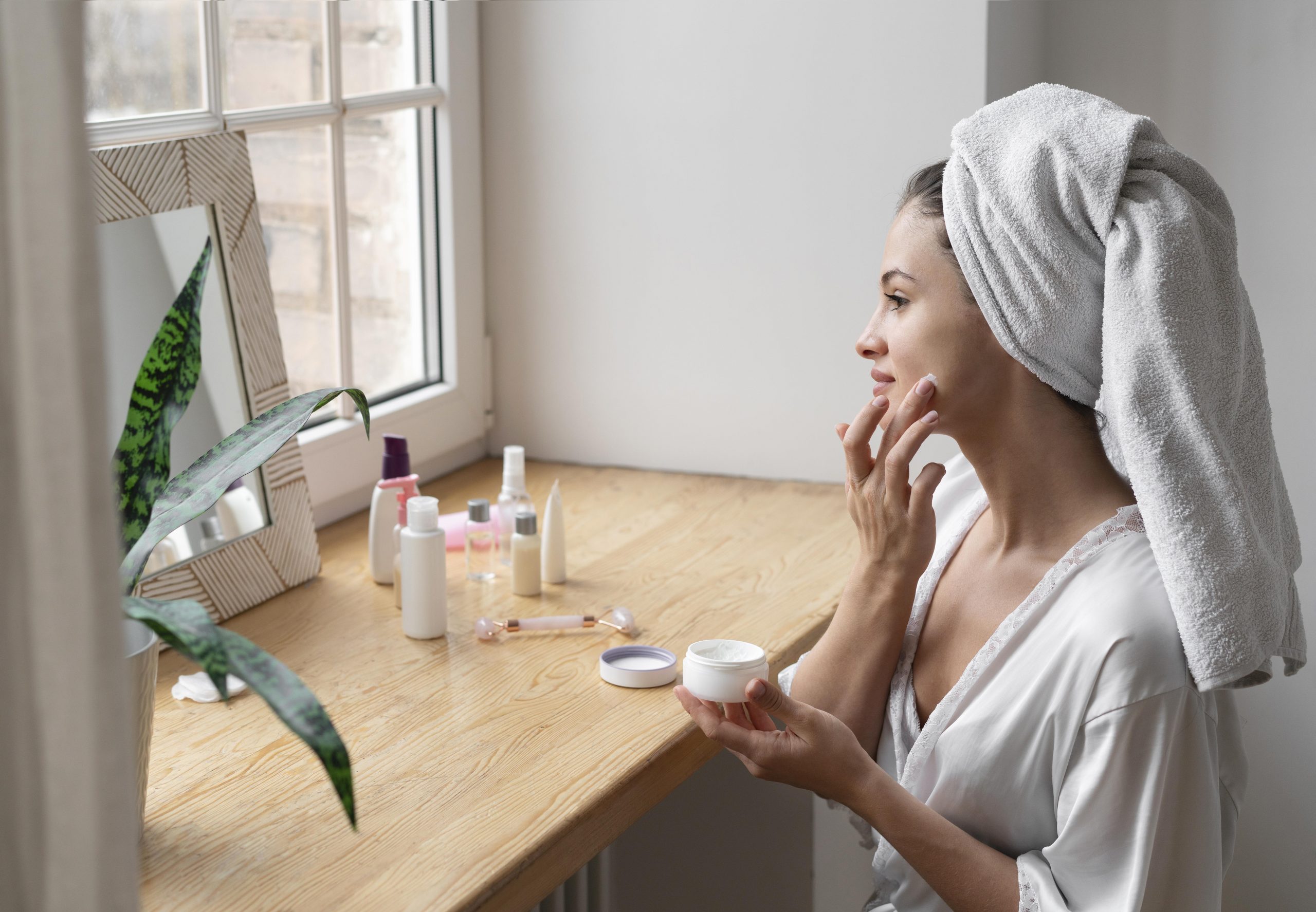
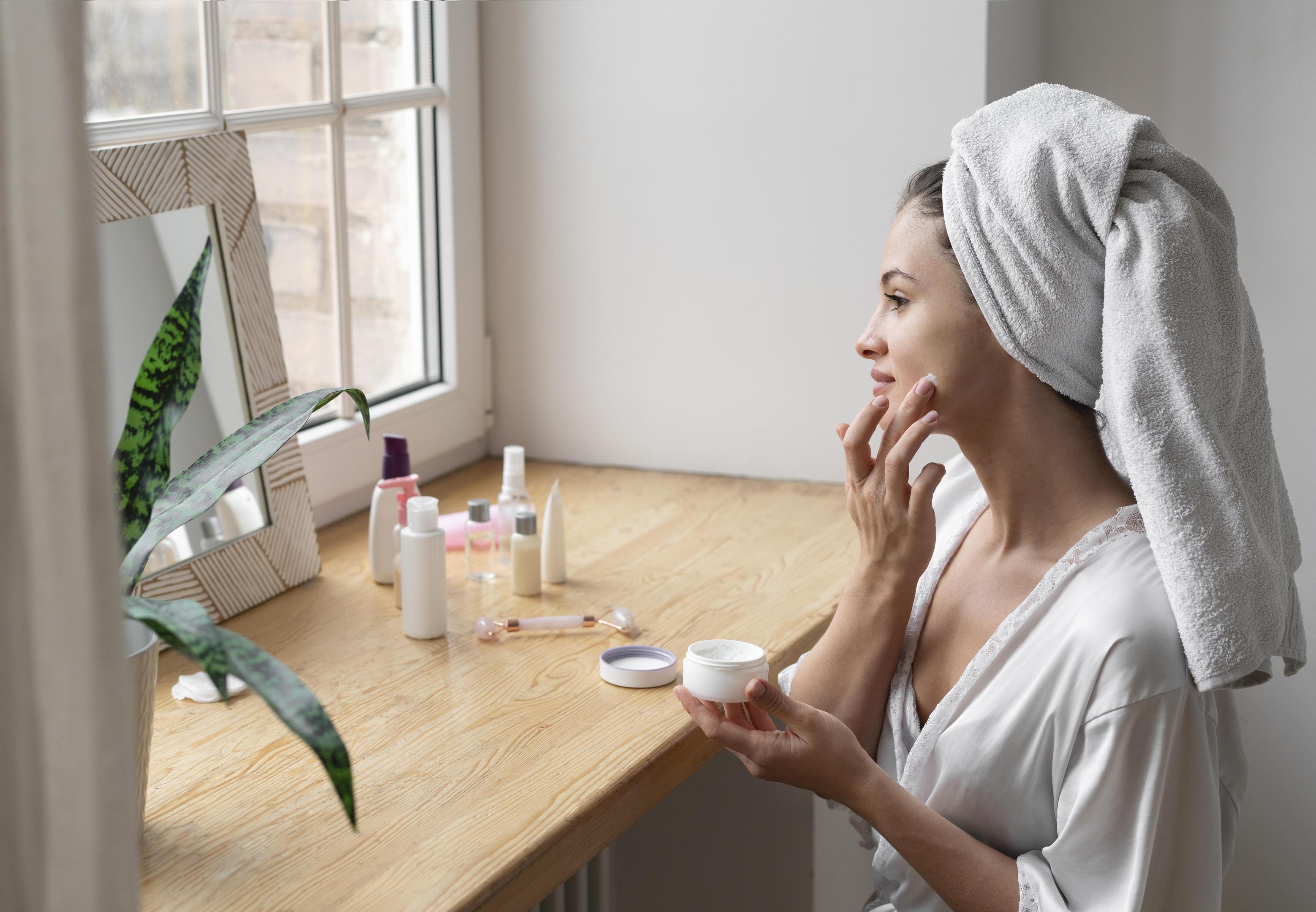
You just dermaplaned. Now your skin feels impossibly smooth and practically glowing. But here’s what most people don’t realize: the next 24 hours can either lock in those results or completely ruin them.
Dermaplaning removes the outermost layer of your skin along with all that peach fuzz, leaving it fresher, brighter — and significantly more vulnerable than usual. Skip the right steps and you’re looking at redness, breakouts, or sun damage on freshly exposed skin.
The good news? A simple, intentional aftercare routine is all it takes to protect your results. In this guide, you’ll learn exactly what to do right after dermaplaning, which ingredients to use and avoid, and a day-by-day routine to keep your skin smooth, calm, and glowing for days.
Why Dermaplaning Aftercare Matters
Dermaplaning removes layer of dead skin cells and fine facial hair (peach fuzz). While this is great for your complexion, it also temporarily weakens your skin’s natural barrier, making it more sensitive and prone to irritation.
Prevent Irritation and Redness
Skin may appear pink or sensitive after dermaplaning. Using gentle products helps reduce inflammation.
Avoid Breakouts
Dead skin removal exposes fresh skin, which can be more prone to clogged pores if not cared for properly.
Maintain Smooth Results
Hydrating and protecting your skin helps keep the skin moisturized, soft, and radiant.
Protect Against Sun Damage
After dermaplaning, your skin is more vulnerable to UV rays. Strictly avoid sun exposure. Wear sunscreen to prevent sunburn or hyperpigmentation.
Enhance Skincare Absorption
Exfoliated skin absorbs serums and moisturizers better, so the right aftercare can maximize the benefits of your skincare products.
What to Do Right After Dermaplaning
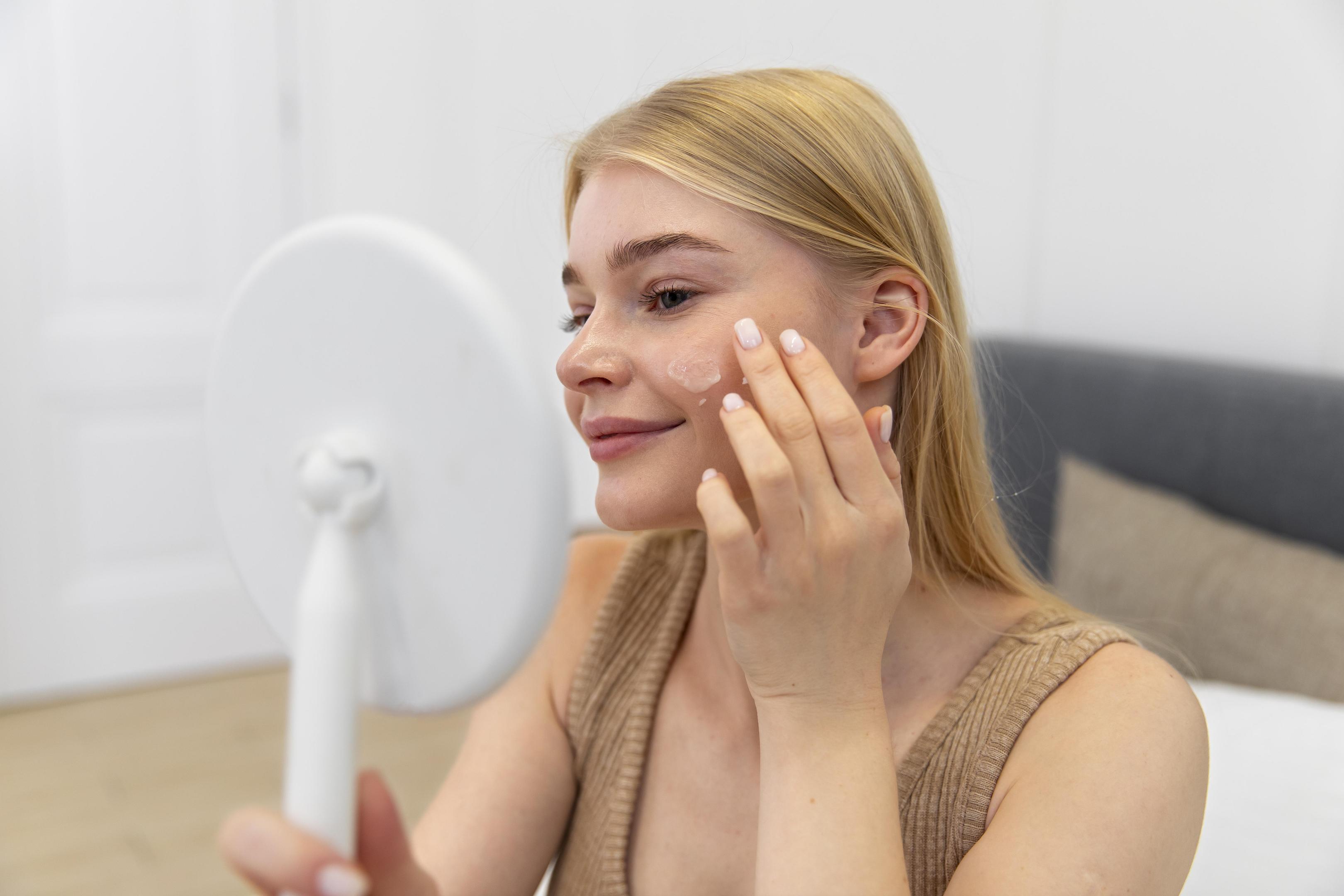
Dermaplaning leaves your skin smooth, but it’s sensitive right after. Here’s what to do:
Clean Gently
Skip the hot water. Heat inflames freshly exfoliated skin and can trigger redness fast. Rinse your face with cool or lukewarm water and fragrance-free cleanser. No scrubs or strong cleansers. This is enough to remove any remaining debris without irritating your newly exposed skin.
Pat Dry
Pat dry your wet face. Never rub. Your skin is more delicate than usual right now. Rubbing with a towel, even gently, can cause unnecessary irritation. Press a clean, soft towel against your face and let it absorb the moisture instead.
Skip Makeup
Give your skin a break for at least 24 hours. Your pores are open, your barrier is down, and everything — including bacteria from your makeup brushes absorbs faster than usual right now. One day bare-faced is all it takes to protect everything you just worked for.
Hydrate & Soothe
With the dead skin barrier removed, your skin absorbs serums like never before, helping you achieve smoother skin. A hydrating serum with aloe, hyaluronic acid, or ceramides works beautifully here. Aloe soothes and calms redness, hyaluronic acid draws moisture deep into the skin, and ceramides help rebuild your skin’s protective barrier. Together, they keep your skin hydrated, soft, and glowing without irritation.
Protect from Sun
Apply SPF 30+ if you go outside and avoid tanning beds. Freshly dermaplaned skin is more sensitive and can burn faster, especially with direct sun exposure. Even indoors, UV rays through windows can cause damage. Reapply throughout the day if you’re spending time outside, and remember that protecting your skin now helps maintain your glowing skin.
Avoid Irritants
No retinol, strong acids, or heavy exfoliants for at least a day. Start with a gentle cleanser to wash your face without irritating freshly dermaplaned skin. Follow with a mild, alcohol-free toner to help rebalance your skin’s pH. Look for calming ingredients like rose water or alcohol-free witch hazel. Skip facial treatments, masks with strong actives, or anything that will overstimulate your skin, such as heat-based treatments, peels, or scrubs. Stick to light, soothing products for the first 24–48 hours to keep your skin calm, hydrated, and protected.
Hands Off
Try not to touch your face, especially right after dermaplaning, to prevent irritation or breakouts. Freshly exfoliated skin is extra sensitive, and even small amounts of bacteria or oils from your hands can cause redness, bumps, or clogged pores. If you have naturally sensitive skin, be extra careful. Avoid rubbing, scratching, or applying heavy pressure, and stick to gentle products to keep your skin calm and healthy.
Optional Mist
A gentle hydrating mist can instantly cool and soothe your skin, helping to reduce redness and irritation after dermaplaning. Look for mists with calming ingredients like aloe, rose water, or chamomile, which can also provide a boost of hydration. Spritzing throughout the day can keep your skin feeling refreshed, soft, and comfortable, especially if you have sensitive skin or live in a dry climate.
Day-by-Day Skincare Routine After Dermaplaning
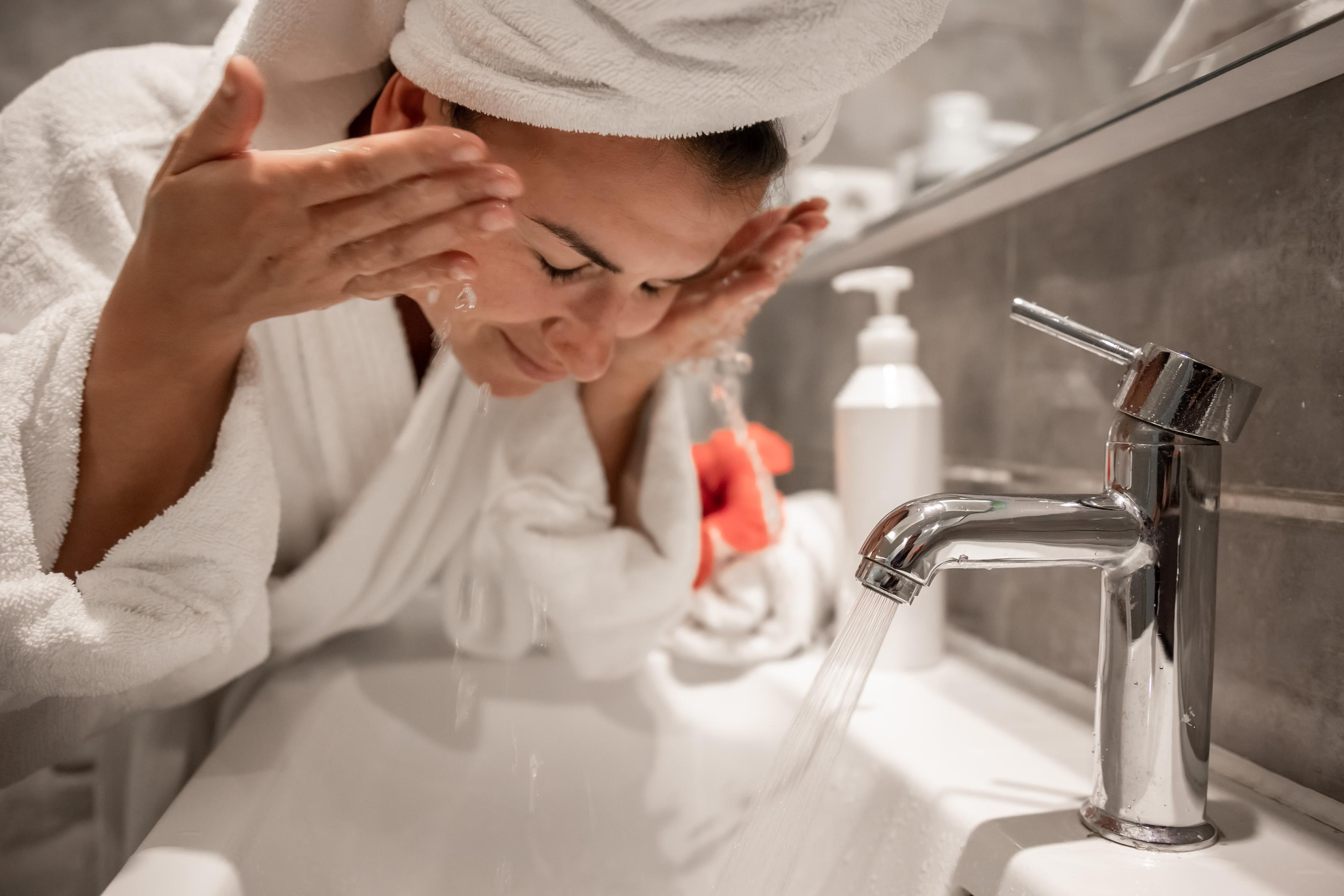
Dermaplaning results don’t have to fade after a day or two. With the right routine, you can keep that radiant skin for a full week and set your skin up for even better results next session.
Day 1 — Handle With Care
Your skin just went through a lot. Keep your routine as minimal and gentle as possible today.
Cleanser: gentle, fragrance-free, lukewarm water only
Serum: hyaluronic acid to flood skin with hydration
Moisturizer: ceramide or squalane-based, nothing heavy or occlusive
SPF: broad-spectrum SPF 30 or higher — non-negotiable
Skip makeup entirely if you can — bacteria from brushes on freshly exfoliated skin is a fast track to breakouts
No gym, no steam room, no hot showers — heat and sweat are your skin’s enemy today
Days 2–3 — Stay the Course
Your skin is starting to settle but it’s still more sensitive than usual. Resist the urge to load it up with actives.
Cleanser: same gentle formula, morning and night
Serum: stick with hyaluronic acid — your skin is still drinking it up
Moisturizer: keep it simple and nourishing
SPF: every morning, rain or shine
You can reintroduce light, minimal makeup if there’s no irritation — just make sure your brushes and sponges are clean
Skin may feel almost unnaturally smooth right now — that’s normal, enjoy it
Days 4–7 — Ease Back In
The sensitivity window is closing. Your skin barrier is rebuilding and you can slowly start reintroducing a few familiar products with caution.
Gentle niacinamide is safe to reintroduce now. It calms any lingering redness and tightens pores
Vitamin C (a stable, gentle formula) can come back at the end of this window if your skin feels fully comfortable
Still avoid retinol, AHAs, and BHAs — your skin isn’t ready yet
Continue SPF every morning without fail
Notice how your makeup sits differently — foundation and concealer blend more smoothly on dermaplaned skin
Week 2 and Beyond — Back to Full Routine
Your skin has had enough time to recover and rebuild. You can now return to your regular routine — and you’ll likely notice your products are performing better than ever.
Retinol and exfoliating acids (AHAs, BHAs) can safely return after the two-week mark
Your skin is now fully prepped to absorb the ingredients you invested in
Start thinking about your next dermaplaning session — most experts recommend waiting 3 to 4 weeks between treatments
Take note of how your skin looks and feels — this is your baseline to beat next time
Active Ingredients to Use and Avoid
Know what helps and what can irritate your skin after dermaplaning. Keep your skin safe and nourished for a healthy, radiant complexion by choosing the right ingredients.
✅ Ingredients Your Skin Will Love
Hyaluronic acid — Your skin absorbs everything faster post-dermaplaning, and hyaluronic acid takes full advantage of that. It pulls moisture deep into the skin without any risk of irritation — the perfect first layer after a session.
Ceramides — Think of these as your skin barrier’s building blocks. Dermaplaning temporarily disrupts that barrier, and ceramides help rebuild it quickly and effectively.
Squalane — A lightweight, non-comedogenic oil that locks in moisture without clogging freshly cleared pores. Ideal for a post-dermaplaning moisturizer.
Niacinamide — Safe to reintroduce around days 4–7. It calms redness, minimizes pores, and balances skin tone — all things your skin appreciates after exfoliation.
Aloe vera — Naturally soothing and anti-inflammatory. Great if your skin is feeling any sensitivity or mild irritation after the session.
SPF 30 or higher — Not just an ingredient, a non-negotiable rule. Freshly dermaplaned skin is significantly more vulnerable to UV damage. Wear it every single day, no excuses.
❌ Ingredients and Habits to Skip
Retinol and retinoids — Far too aggressive for skin that just had its top layer removed. Wait a full two weeks before bringing these back.
AHAs and BHAs (glycolic acid, salicylic acid) — You just manually exfoliated. Layering chemical exfoliants on top is a fast track to irritation and a damaged skin barrier. Give it at least one week.
Fragrance — Freshly exfoliated skin absorbs everything more deeply — including irritants. Fragrance is one of the most common triggers for post-dermaplaning redness and sensitivity.
Vitamin C (L-ascorbic acid) — In its pure form, Vitamin C can sting and irritate sensitized skin. Wait 3–5 days before reintroducing, and opt for a gentler formula when you do.
Heavy, pore-clogging ingredients — Dermaplaning clears your pores beautifully. Don’t undo that with thick, comedogenic creams or oils right after.
Hot showers and steam — Heat inflames freshly exfoliated skin and can trigger redness and swelling. Stick to lukewarm water for at least 24–48 hours.
Makeup in the first 24 hours — Makeup brushes and sponges carry bacteria, and on freshly dermaplaned skin, that’s a breakout waiting to happen. Give your skin at least one full day to settle.
FAQs About Dermaplaning Aftercare
1. How fast will my skin recover after dermaplaning treatment?
Dermaplaning is a gentle procedure with minimal downtime. Mild side effects like redness, irritation, or dry skin usually fade within 24–48 hours. Following proper aftercare can help keep your skin calm and prevent irritation for even longer.
2. How soon can I wear makeup after dermaplaning treatment?
Wait at least 24 hours before you put anything to your face to avoid irritation or clogged pores.
3. What should I use to soothe my skin?
Use hydrating products with aloe, hyaluronic acid, or ceramides to calm and protect your skin. These ingredients help soothe irritation, restore moisture, and strengthen your skin’s natural barrier after dermaplaning.
4. Can I go out in the sun?
Freshly dermaplaned skin is sensitive. Apply broad-spectrum SPF 30+, even indoors, and avoid direct sun exposure.
5. What should I avoid after dermaplaning?
Skip retinol, acids, scrubs, harsh cleansers, tanning beds, and heavy makeup for at least 24–48 hours.
6. How often can I dermaplane safely?
Most people dermaplane every 3–4 weeks for best results without irritating skin. However, this can vary depending on your skin type and sensitivity. If you have sensitive skin, you may want to wait a little longer between sessions to give your skin enough time to recover.
7. Can I exercise after dermaplaning treatment?
It’s best to avoid intense exercise that makes you sweat or raises your heart rate for at least 24 hours after dermaplaning. Light activity, like walking, is fine. After 24–48 hours, you can safely return to your normal workout routine.
Conclusion
Dermaplaning is one of the most effective ways to get smoother, radiant skin at home. But the results you see in the mirror right after are only half the story. What you do in the days that follow determines how long that glow lasts, how healthy your skin stays, and whether your next session delivers even better results.
The good news is that proper aftercare isn’t complicated. It doesn’t require an expensive new routine or a cabinet full of products. It just comes down to a few simple rules: keep it gentle, load up on hydration, protect your skin from the sun without fail, and give your actives a rest until your skin barrier has had time to rebuild.
If you’re curious about which tool can make this routine even easier, comparing the Dermaflash Luxe+ and Sonicsmooth is a good place to start. That way, you can see which one fits your needs and gives results you’ll actually notice.
📖 Related Articles
If you found this review helpful, you might also enjoy these:
Dermaflash Luxe+ vs. Sonicsmooth Review: Which Dermaplaning Tool Removes Peach Fuzz Best?
Dermaflash Luxe+ Review: Features, Benefits & Is It Worth It?
Be the first to receive helpful guides and product reviews. Subscribe today.