Advertising Disclosure
Best Way to Remove Peach Fuzz from Face: 7 Proven Methods
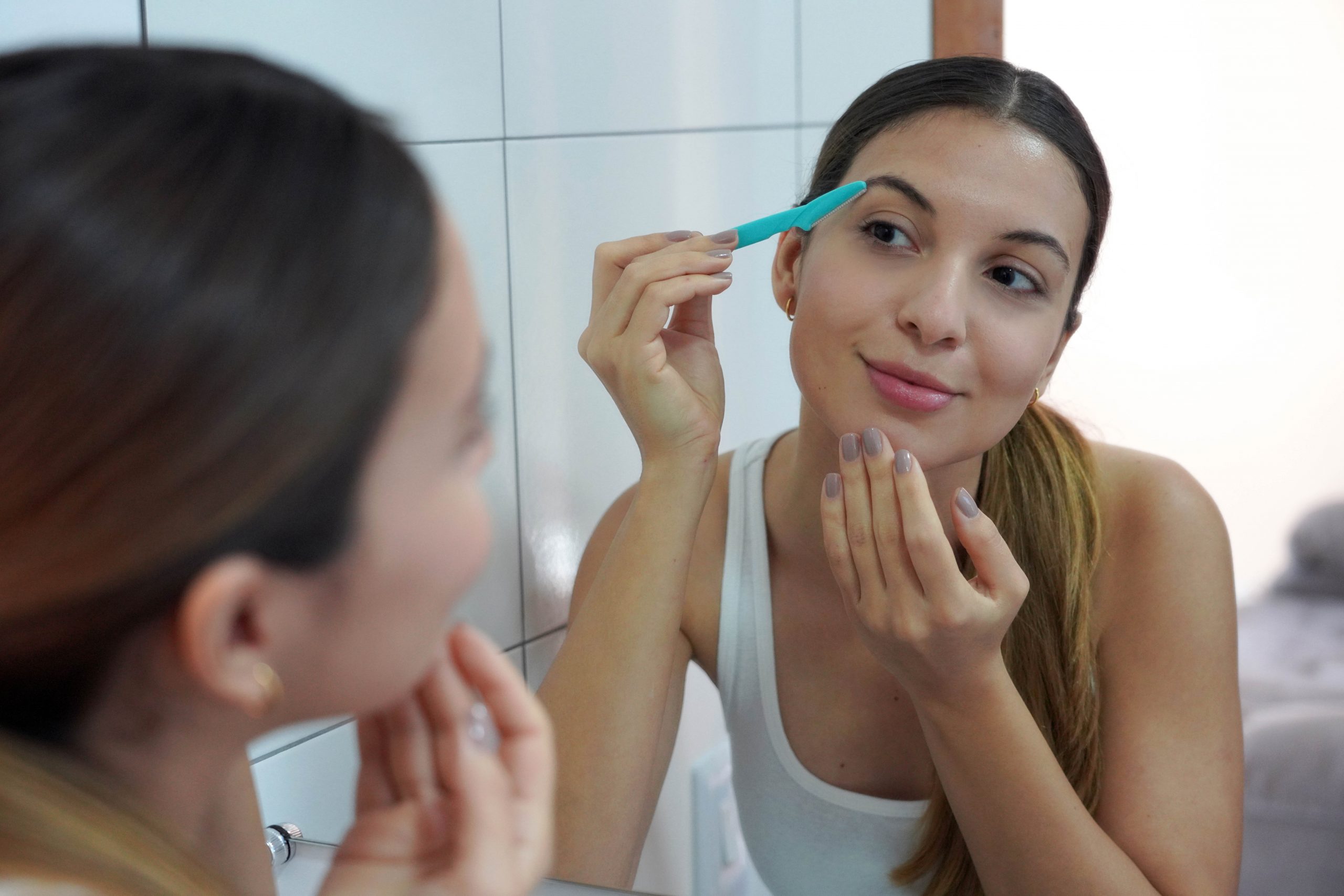
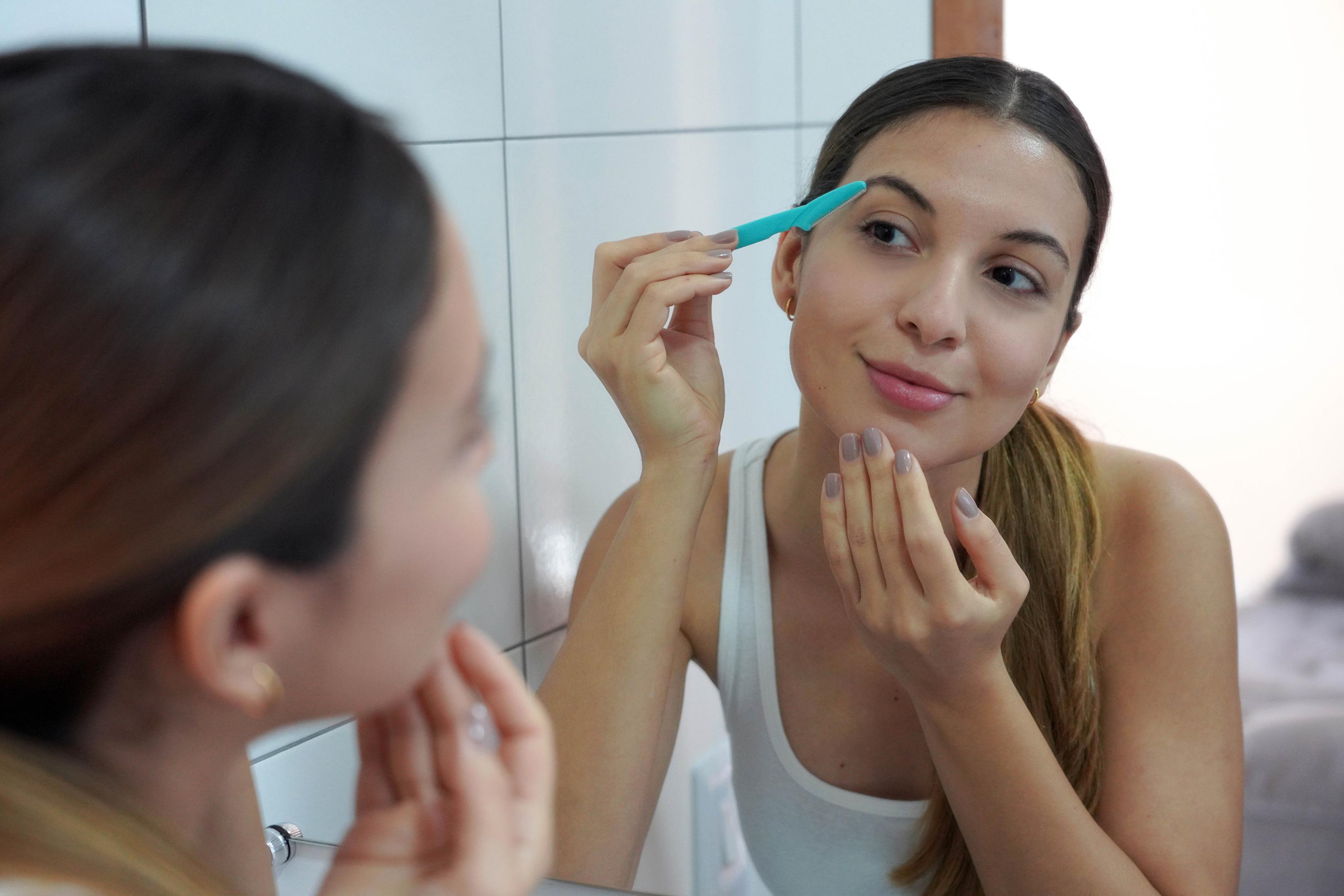
If you’re searching for the best way to remove peach fuzz from face, the answer dermatologists recommend most is dermaplaning — it removes fine vellus hair while exfoliating dead skin cells, leaving your skin smoother and your makeup flawless. But it’s not the only option. Depending on your skin type, budget, and desired results, there are 7 proven methods that work — and we’ve listed all of them based on safety, effectiveness, and cost so you can find exactly what works for you.
What Is Peach Fuzz and Why Do People Remove It?
Peach fuzz is the soft, fine facial hair known as vellus hair — the thin, light-colored hair that covers most of your face, including your cheeks, forehead, and upper lip. Unlike terminal hair (the thicker, darker hair on your eyebrows or head), vellus hair is barely visible but can still affect the way your skin looks and feels. Peach fuzz removal isn’t just for women either. Anyone bothered by facial texture, uneven skin tone, or makeup performance can benefit regardless of skin type or age.
Most people remove peach fuzz for three main reasons.
First, it disrupts makeup application. Foundation and powder tend to cling to fine facial hair, making skin look patchy or textured.
Second, removing it reveals smoother, brighter skin underneath by clearing away the layer of dead skin cells that often sit alongside vellus hair.
Third, it improves skincare absorption without the barrier of fine hair, serums and moisturizers penetrate more effectively.
Causes of Facial Peach Fuzz
Peach fuzz is completely normal and almost everyone has it. Here are the most common causes:
Hormones — Fluctuating androgen levels during puberty, pregnancy, menopause, or conditions like PCOS can make vellus hair more visible or thicker over time.
Genetics — If close female relatives have noticeable facial hair, you likely will too. Certain ethnicities are also more prone to visible vellus hair.
Age — As skin thins and loses collagen over time, fine facial hair can appear more prominent even if the hair itself hasn’t changed.
Medications — Corticosteroids, hormone therapy, and minoxidil are known to stimulate increased facial hair growth as a side effect.
Natural Hair Growth Cycle — All skin naturally produces vellus hair as a protective layer, regardless of hormones or age.
7 Best Ways to Remove Peach Fuzz from Face
Here are the easiest and most effective ways to say goodbye to peach fuzz for good.
Dermaplaning
Dermaplaning is a professional skin treatment that uses a sterile surgical blade to remove peach fuzz and dead skin cells in one sweep. The result is instantly smoother, brighter skin that absorbs skincare products better and makes makeup look flawless. It’s the gold standard for a reason.
Source: Vogue – Ways to Remove Unwanted Facial Hair
Facial Razoring
Facial razoring is the easiest and most affordable way to get started with peach fuzz removal. Using a small dermaplaning razor at home, you can remove fine facial hair in minutes with zero pain. No appointments, no downtime — just smooth skin on your schedule.
Source: Nivea – Removing Peach Fuzz from Face
Threading
Threading uses a thin cotton thread twisted and rolled across the skin to grab and remove hair from the root. It’s especially great for targeting specific areas like the upper lip, chin, and jawline with pinpoint accuracy. Clean, chemical-free, and surprisingly fast.
Source: L’Oréal Paris – Peach Fuzz on Face
Depilatory Creams
Depilatory creams use gentle chemicals to dissolve hair right at the skin’s surface — no pulling, no blades, no pain. According to skincare expert Rashid, these creams work by breaking down keratin, the protein that makes up hair, allowing it to be wiped away easily. Simply apply, wait 3 to 10 minutes (no longer, to avoid irritation), and wipe away. However, Rashid cautions that results don’t last long since the root stays intact, and some people may experience redness or stinging — making a patch test 24 hours before a must, especially for sensitive skin.
Source: Vogue – Ways to Remove Unwanted Facial Hair
Waxing
Waxing removes peach fuzz directly from the root, delivering results that last anywhere from 4 to 5 weeks, according to dermatologist Dr. Jaliman. Over time, regular waxing can even cause hair to grow back finer and thinner. However, it may not be the best option for those with acne-prone or sensitive skin, as it can increase the risk of irritation and ingrown hairs. Skincare trainer Stacie Harding of European Wax Center also advises avoiding ingredients like retinoids and benzoyl peroxide at least a week before waxing to prevent further irritation.
Source: Women’s Health – Best Peach Fuzz Removal Methods
Laser Hair Removal
Laser hair removal uses concentrated light energy to target and weaken hair follicles, significantly reducing hair growth over time. According to Dr. Jaliman, most people need about 6 sessions spaced several weeks apart to see full results. While it can cost hundreds of dollars per session, she notes that it’s a worthwhile long-term investment since results are essentially permanent.
Source: Women’s Health – Best Peach Fuzz Removal Methods
Electrolysis
According to the American Electrology Association, Electrolysis is the only hair removal method officially recognized by the Food and Drug Administration as truly permanent. A fine probe delivers a tiny electric current directly into each follicle, destroying it for good. It works on all skin tones and hair types — making it the ultimate long-term solution.
How to Remove Peach Fuzz from Face Safely at Home
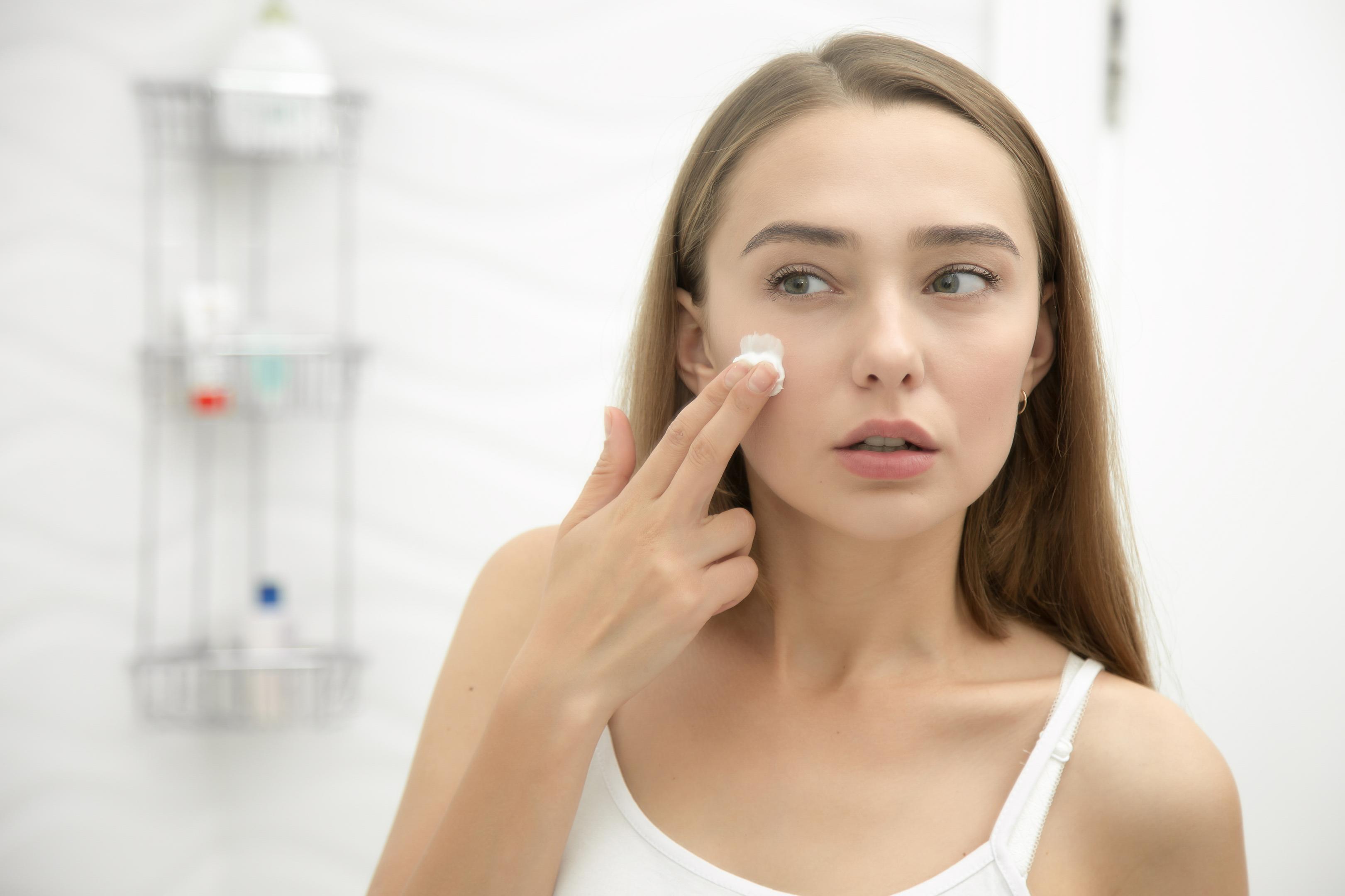
Removing peach fuzz at home is completely doable as long as you use the right tools and follow a few simple steps.
Step 1 — Cleanse your face first.
Always start with a clean, dry face. Wash with a gentle cleanser and pat dry before removing any hair. Dirt and oil on the skin can cause irritation or breakouts after removal.
Step 2 — Choose the right tool.
For at-home removal, a facial dermaplaning razor is your best option. Make sure it is specifically designed for the face. Never use a regular body razor, as the blade angle is different and can nick the skin.
Step 3 — Use light, gentle strokes.
Hold the razor at a 45-degree angle and use short, downward strokes in the direction of hair growth. Never press hard or drag the blade across the skin.
Step 4 — Work in sections.
Go area by area — forehead, cheeks, chin, and upper lip. Stretch the skin slightly with your free hand to create a smooth, flat surface for the razor to glide across.
Step 5 — Moisturize immediately after.
Once done, apply a gentle, fragrance-free moisturizer or hydrating serum. Freshly dermaplaned skin is more sensitive and needs extra hydration and protection.
Step 6 — Apply SPF.
Skin is more susceptible to sun damage right after hair removal. Always finish with a broad-spectrum SPF 30 or higher, even if you are staying indoors.
What Not to Do When Removing Peach Fuzz
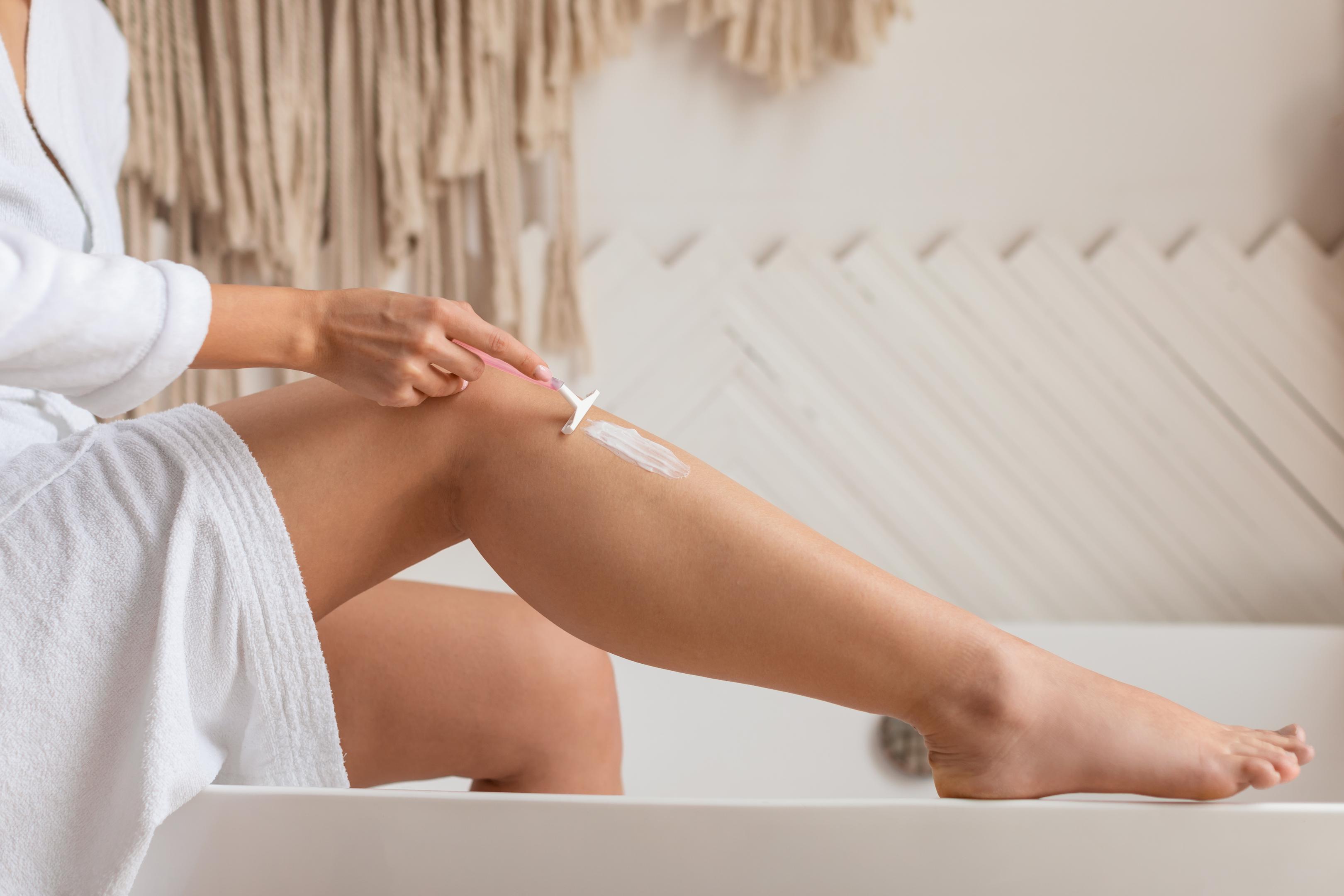
Avoiding these common mistakes will protect your skin and give you better, longer-lasting results.
Don’t use the same razor or blade on your face that you use on your legs. Facial skin is more delicate, and using a blade meant for other areas can cause irritation or introduce bacteria. Always use a clean, sharp razor specifically for your face, and replace it regularly to prevent redness, cuts, or discomfort.
Source: NIVEA – Removing Peach Fuzz from the Face
Don’t remove peach fuzz on broken or irritated skin. If you have active acne, sunburn, eczema, or any open wounds, skip the hair removal until your skin has fully healed. Working over compromised skin can worsen inflammation and cause scarring.
Source: Botanica Day Spa – Get Rid of Peach Fuzz
Don’t go against the grain aggressively. While light upward strokes are sometimes used in professional dermaplaning, at home it is safest to stick to downward strokes with the direction of hair growth to avoid irritation.
Source: Estrid – Should I Shave With or Against the Grain
Don’t skip moisturizer and SPF. Skipping aftercare is one of the biggest mistakes people make. Bare, freshly treated skin is vulnerable — always seal it with hydration and sun protection.
Does Peach Fuzz Grow Back Thicker?
No — peach fuzz does not grow back thicker after removal. According to Cleveland Clinic, one of the most respected nonprofit medical centers in the U.S. known for patient care and medical research, this is one of the most persistent myths in skincare, and dermatologists consistently confirm it is false.
Peach fuzz is made up of vellus hair—fine, soft strands that cover much of the face and body. Shaving, waxing, or dermaplaning only removes hair at the surface and does not affect the hair follicle, which determines how hair grows.
Sometimes, hair may feel thicker as it grows back because shaving leaves a blunt edge instead of a natural tapered tip. However, this is only a temporary texture change not an actual increase in thickness.
The only factors that can change vellus hair into coarser terminal hair are hormonal changes, such as those caused by puberty, pregnancy, menopause, or conditions like polycystic ovary syndrome (PCOS). Removing peach fuzz does not influence hair thickness or growth patterns.
Best Tools for Removing Peach Fuzz
Having the right tool makes all the difference between smooth, irritation-free results and a bad experience.
Dermaplaning Razor
The most popular and effective at-home tool. Look for one with a single, sharp stainless steel blade specifically designed for facial use.
Electric Facial Hair Remover
A gentle, blade-free option that uses a rotating head to remove fine hair without any risk of cuts. Great for beginners or anyone with sensitive skin who is nervous about using a blade.
Facial Epilator
Grabs and removes hair from the root for longer-lasting results. It can cause mild discomfort but leaves skin smooth for up to 4 weeks. Make sure it is a model designed specifically for facial use.
Threading Tool
A handheld spring or thread device that removes hair from the root with precision. Best for smaller areas like the upper lip and chin rather than the entire face.
Facial Wax Strips
Pre-made strips designed for delicate facial skin. Easy to use and remove hair from the root, lasting up to 6 weeks. Always choose strips labeled safe for facial use.
Who Should Avoid Removing Peach Fuzz?
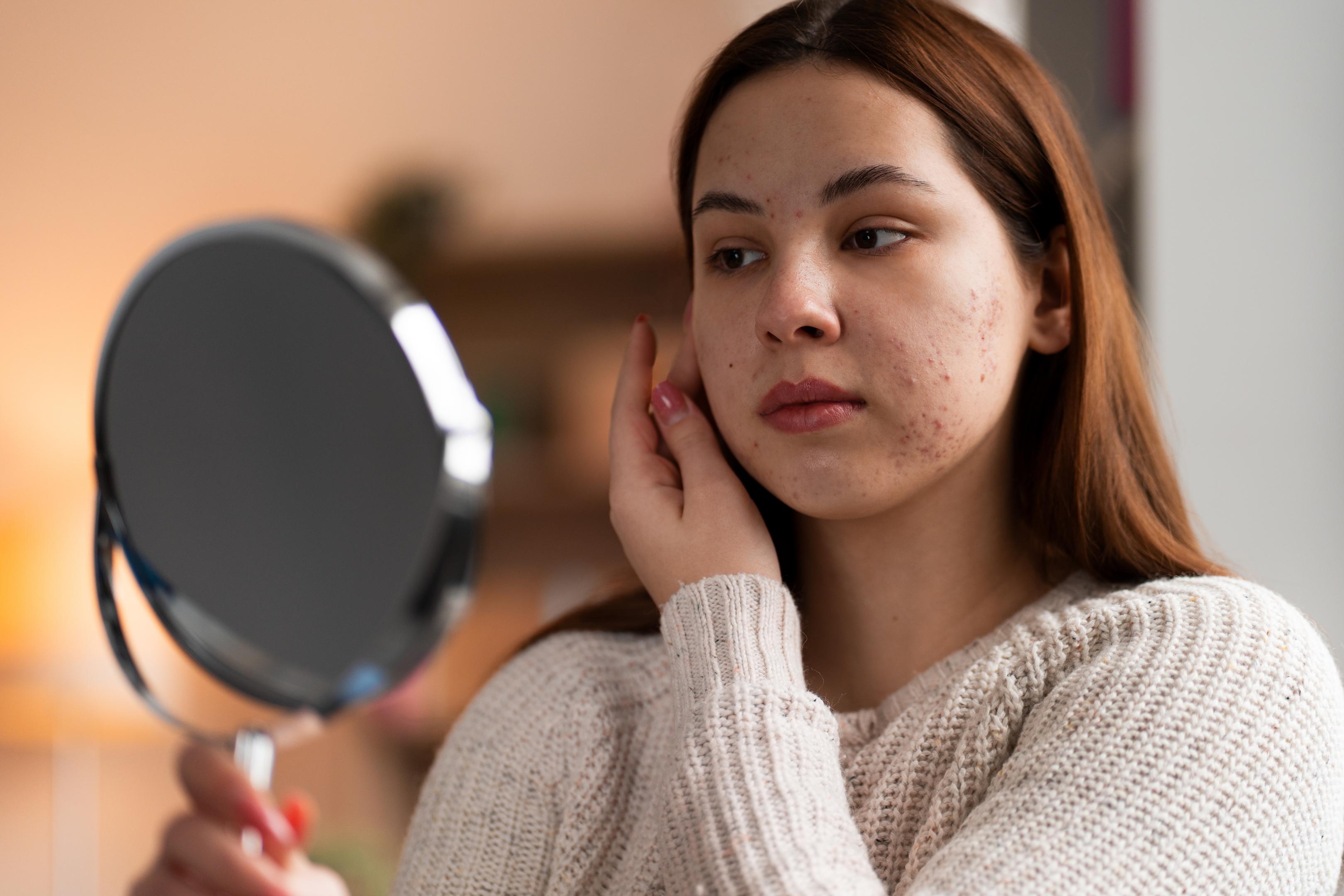
While peach fuzz removal is safe for most people, certain individuals should proceed with caution or avoid it altogether.
People with active acne
Removing hair over active breakouts can spread bacteria, rupture pimples, and cause further inflammation or scarring. Wait until your skin has fully cleared before attempting any removal method.
People with rosacea or eczema
These conditions make the skin barrier weak and highly reactive. Physical removal methods like razoring or waxing can trigger painful flare-ups. Consult a dermatologist before trying any method.
People on retinol or retinoid treatments
Retinol thins the skin over time, making it far more sensitive and prone to tearing or irritation during hair removal. Avoid dermaplaning or waxing if you are actively using prescription retinoids. Ask your dermatologist for guidance.
People on blood thinners
Certain medications can make the skin more prone to bruising and bleeding, increasing the risk of injury even with a small facial razor.
Pregnant women
As mentioned earlier, chemical-based methods like depilatory creams and professional treatments like laser and electrolysis are best avoided during pregnancy. Stick to razoring or threading only after consulting your doctor.
People with very dark or tanned skin considering laser
Laser hair removal works by targeting pigment in the hair. On darker skin tones, certain laser types can also target skin pigment, increasing the risk of burns or discoloration. Always seek a specialist experienced with darker skin tones and ensure they use appropriate laser technology.
How to Choose the Best Method for Your Skin Type
The best way to get rid of peach fuzz from your face depends on your skin type, sensitivity, and long-term goals. Some methods are gentler for sensitive skin, while others provide longer-lasting results.
Sensitive skin: Facial razoring or dermaplaning, which are gentle and cause less irritation.
Oily or acne-prone skin: Threading is usually safer because waxing may irritate breakouts.
Dry or dull skin: Dermaplaning helps remove peach fuzz while lightly exfoliating the skin.
Budget-conscious: Facial razors or facial hair removal creams are inexpensive and easy to use at home.
Looking for longer-term results: Laser hair removal or electrolysis can reduce or permanently remove facial hair.
Frequently Asked Questions
What is the best way to remove peach fuzz from your face?
Dermaplaning is widely considered the best overall method for removing peach fuzz from the face. It not only removes fine vellus hair but also exfoliates dead skin cells, leaving skin visibly smoother and brighter. For a budget-friendly at-home option, facial razoring with a dermaplaning tool is the next best alternative.
Does removing peach fuzz make it grow back thicker?
No — this is one of the most common myths about facial hair removal. Removing peach fuzz does not change the thickness, color, or rate of hair regrowth. Vellus hair has no ability to become terminal (coarse) hair through shaving or removal. It will always grow back the same fine, soft texture it was before.
How often should you remove peach fuzz?
It depends on the method used. Facial razoring and dermaplaning typically need to be repeated every 2 to 4 weeks. Waxing lasts 3 to 6 weeks, while depilatory creams may need reapplication every 1 to 2 weeks. Laser hair removal and electrolysis require fewer sessions over time and eventually reduce the need for regular removal altogether.
Is dermaplaning safe for sensitive skin?
Yes, dermaplaning can be safe for sensitive skin when performed correctly by a trained professional. However, it is not recommended for skin with active acne, rosacea flare-ups, or open wounds, as the blade can cause irritation or spread bacteria. Always consult a dermatologist before trying dermaplaning if you have a known skin condition.
Can I remove peach fuzz at home?
Yes, several methods are safe and effective for at-home peach fuzz removal. Facial razoring with a dedicated dermaplaning tool is the most popular DIY option — it’s painless, affordable, and easy to use. Depilatory creams formulated for the face are also a good at-home choice. Professional methods like laser hair removal and electrolysis should always be done in a clinic.
What do dermatologists recommend for peach fuzz removal?
Most dermatologists recommend dermaplaning as the top choice because it removes hair and exfoliates simultaneously, improving overall skin texture. For at-home removal, they typically suggest using a high-quality facial razor and following up with a gentle moisturizer. Dermatologists generally advise against using body hair removal products on the face, as the skin is far more delicate and sensitive.
Is peach fuzz removal safe during pregnancy?
Some methods are considered safe during pregnancy, while others should be avoided. Facial razoring and threading are generally regarded as safe options. Depilatory creams and chemical-based treatments are typically not recommended due to potential absorption of chemicals through the skin. Laser hair removal and electrolysis are also best avoided during pregnancy as a precaution. Always consult your OB-GYN or dermatologist before starting any hair removal treatment while pregnant.
Say Goodbye to Peach Fuzz and Hello to Smooth Skin
Removing peach fuzz doesn’t have to be complicated. Whether you prefer the quick and painless results of dermaplaning, the long-lasting effects of laser hair removal, or the budget-friendly convenience of depilatory creams, there’s a method out there that fits your skin type, lifestyle, and budget.
The key is knowing your skin. If you have sensitive or acne-prone skin, gentler options like threading or depilatory creams formulated for sensitive skin may be your best bet. If you’re looking for something more permanent, laser hair removal is worth the investment in the long run.
No matter which method you choose, always prioritize skin prep and aftercare to minimize irritation and get the smoothest results possible. And when in doubt, consulting a dermatologist can help you make the most informed decision for your unique skin.