Advertising Disclosure
Is It Better to Air Dry or Blow Dry Hair?
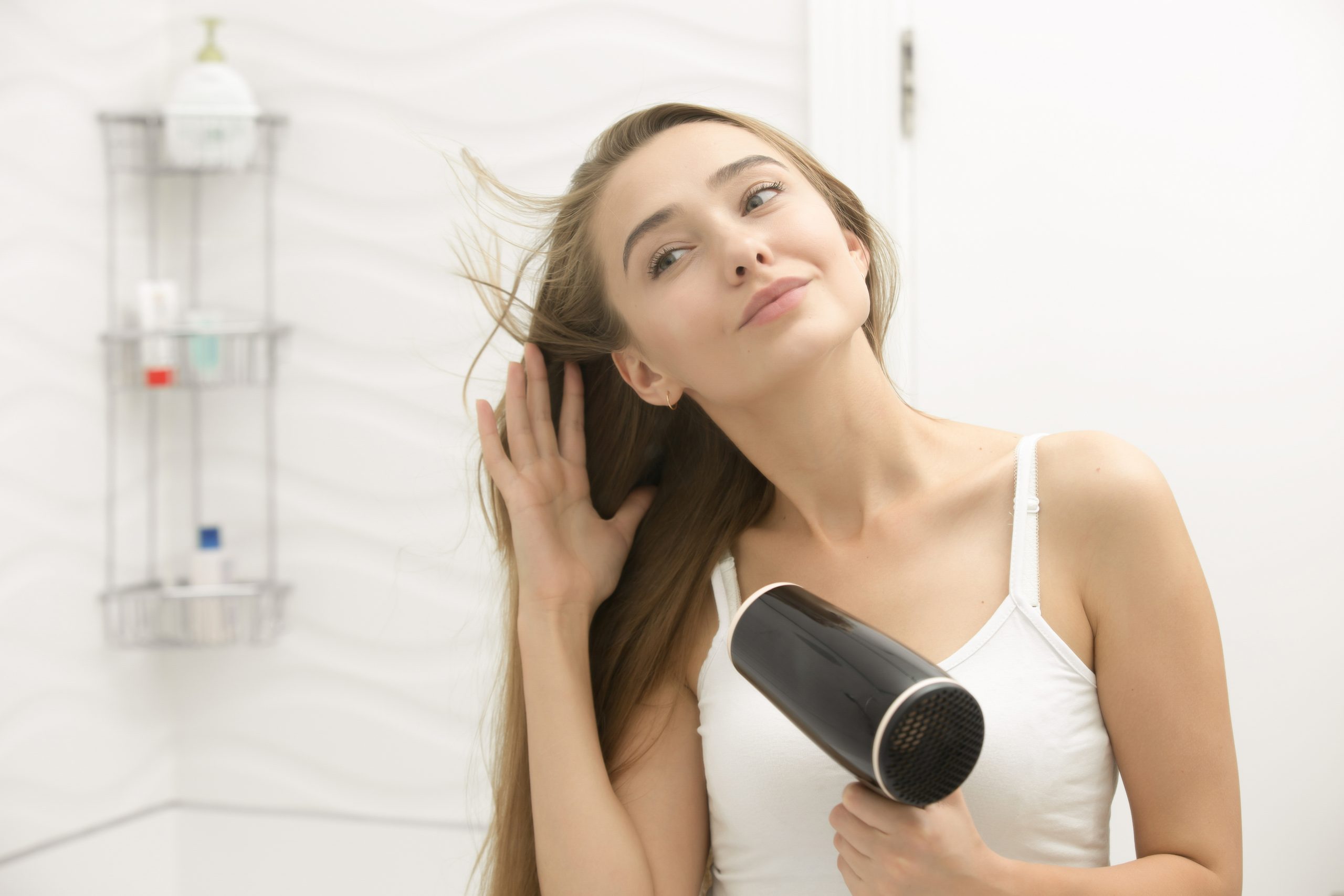
Choosing how to dry your hair might seem like a simple step in your routine, but it can have a big impact on hair health, texture, and overall style. Should you let it air dry naturally or reach for the blow dryer for a sleek, polished finish? In this guide, we’ll break down the pros and cons of both methods, explore what experts say, and help you decide which option works best for your hair type and lifestyle.
Air Drying vs. Blow Drying: What’s the Difference?
The main difference between air drying and blow drying comes down to heat, time, and styling control. Air drying allows your hair to dry naturally without direct heat, which can reduce the risk of heat damage. However, it often takes longer and may lead to more frizz or less control over the final style.
Blow drying, on the other hand, uses controlled heat and airflow to dry hair quickly. It offers more precision for smoothing, volumizing, or shaping your hair, but frequent high heat can cause dryness or breakage if not done properly.
In short, air drying prioritizes minimal heat exposure, while blow drying focuses on speed and styling results. The better option depends on your hair type, routine, and how often you use heat tools.
Air Drying: Pros and Cons
Air drying is the gentler, heat-free way to dry hair, helping preserve moisture and prevent heat damage. However, it can take a long time, may cause frizz if not managed properly, and gives less control over styling compared to blow drying.
Benefits of Air Drying
1. No Direct Heat Damage
Air drying eliminates exposure to high temperatures, which can weaken the hair shaft and cause breakage over time.
2. Preserves Natural Moisture
Without heat evaporating internal moisture too quickly, hair may retain more of its natural hydration.
3. Less Risk of Protein Damage
Frequent heat styling can degrade hair proteins. Air drying helps maintain hair’s structural integrity.
4. Low Maintenance
No tools or styling skills required—just wash and let it dry naturally.
5. Encourages Natural Texture
Air drying allows waves and curls to form naturally without manipulation from brushes or hot tools.
6. Budget-Friendly
No electricity use and no need for styling tools, making it cost-effective.
Downsides of Air Drying
1. Prolonged Swelling of the Hair Shaft
Hair stays wet longer, which can cause repeated swelling and weakening of the cuticle over time.
2. Increased Frizz
As water slowly evaporates, the cuticle can lift, leading to frizz—especially in humid environments.
3. Less Control Over Style
Air-dried hair may lack volume, smoothness, or polish compared to blow-dried styles.
4. Can Feel Flat or Limp
Fine hair types may lose body and appear weighed down.
5. Not Ideal in Cold Weather
Walking outside with wet hair in cooler climates can be uncomfortable and may affect scalp health.
6. Longer Drying Time
Air drying can take hours, which may not be practical for busy routines.
How to Air Dry Without Frizz
Air drying doesn’t have to mean dealing with puffiness or flyaways. With the right prep and minimal manipulation, you can let your hair air dry naturally while keeping it smooth and defined.
1. Gently Remove Excess Water
Instead of rubbing with a regular towel, gently squeeze out water using a microfiber towel or cotton T-shirt. This reduces friction, which helps prevent cuticle damage and frizz.
2. Apply a Leave-In Conditioner
A lightweight leave-in conditioner helps lock in moisture and smooth the hair cuticle as it dries. This creates a softer, more manageable finish.
3. Use an Anti-Frizz Serum or Cream
Distribute a small amount evenly through damp hair, focusing on mid-lengths and ends. This helps seal the cuticle and control humidity-induced frizz.
4. Detangle Carefully
Use a wide-tooth comb while hair is still damp to minimize breakage and ensure even product distribution.
5. Avoid Touching Hair While It Dries
Constant touching disrupts the natural drying pattern and lifts the cuticle, leading to frizz. Let your hair set undisturbed for best results.
6. Try Loose Braids or Twists
If your hair tends to puff up, loosely braiding or twisting it can help create a smoother texture and more defined waves once dry.
Blow Drying: Pros and Cons
Blow drying is fast and allows for precise styling, smooth finishes, and added volume. However, frequent use of high heat can damage hair, cause dryness, and increase the risk of breakage if not done carefully.
Benefits of Blow Drying
1. Faster Drying Time
Blow drying significantly reduces drying time, making it ideal for busy mornings or colder weather.
2. Better Styling Control
It allows you to shape, smooth, or volumize hair with precision using brushes and attachments.
3. Smoother, Polished Finish
When done properly, blow drying can help seal the cuticle, resulting in shinier and sleeker hair.
4. Adds Volume
Using the right technique, especially lifting at the roots, can create noticeable body and bounce.
5. Long-Lasting Style
Heat helps set the hair in place, so styles tend to last longer compared to air drying.
6. Scalp Comfort
Quickly drying the scalp may reduce prolonged dampness that can feel uncomfortable.

Downsides of Blow Drying
1. Risk of Heat Damage
Excessive or high heat can weaken the hair shaft, leading to dryness, split ends, and breakage.
2. Moisture Loss
Frequent blow drying can strip hair of natural moisture, making it feel brittle over time.
3. Can Cause Frizz if Done Incorrectly
Improper technique or skipping heat protectant may roughen the cuticle instead of smoothing it.
4. Potential Scalp Irritation
Very hot air directed at the scalp can cause dryness or sensitivity.
5. Requires Proper Tools and Products
To minimize damage, you’ll need a good-quality hair dryer and a heat protectant product.
6. Long-Term Weakening with Overuse
Daily high-heat styling without breaks can gradually compromise hair strength.
How to Blow Dry Hair Safely
Blow drying can give sleek, polished hair—but only if done correctly. Using a good-quality blow dryer, the right techniques, and protective products helps prevent heat damage while keeping hair healthy and shiny.
Apply a Heat Protectant
Always use a heat protectant spray or serum on damp hair to create a barrier against high temperatures.
Use the Right Dryer and Settings
Choose a good-quality dryer with adjustable heat and speed settings. Stick to low to medium heat instead of maximum, which may speed up drying but increases the risk of breakage.
Keep the Dryer at a Safe Distance
Hold the hair dryer at least 6 inches away from your hair and keep it moving continuously to avoid overheating any section.
Dry in Sections
Separate hair into manageable sections for more efficient and even drying. This also prevents overexposing any part to heat.
Use a Nozzle Attachment
A concentrator nozzle directs airflow where you want it, reducing frizz and helping smooth the hair cuticle.
Finish with Cool Air
End your blow-dry with a short burst of cool air. This helps seal the hair cuticle, lock in moisture, and enhance shine, leaving hair smoother and frizz-free.
Avoid Daily High-Heat Blow Drying
Frequent high-heat styling can weaken strands and cause breakage, so use heat protectants, the right dryer, and limit styling to keep hair strong.
Air Drying Vs Blow Drying: Comparison Table
This table highlights the key differences between air drying and blow drying, helping you quickly see which method suits your hair type, lifestyle, and styling needs. Use it as a guide to make the healthiest choice for your hair.
Feature | Air Drying | Blow Drying |
|---|---|---|
Heat Exposure | None; hair dries naturally | Uses heat, which can cause damage if not controlled |
Drying Time | Slow; can take hours | Fast; ideal for busy routines |
Frizz Control | Can cause frizz if not managed | Can smooth hair if done properly |
Hair Health | Gentle on hair; preserves moisture | Can weaken hair over time without protection |
Styling Control | Minimal; natural texture only | High; allows shaping, volume, and polished finish |
Best For | Fine, damaged, wavy or curly hair | Thick, coarse, or straight styles needing precision |
Convenience | No tools required; low effort | Requires hair dryer, technique, and heat protectants |
Cost | Free | Uses electricity and styling products |
Final Verdict: Is It Better to Air Dry or Blow Dry?
Both air drying and blow drying have their benefits, and the best method depends on your hair type, lifestyle, and styling goals. If you want to minimize heat damage and preserve natural moisture, it’s a good idea to let hair air dry whenever possible. For faster styling or a sleek, polished look, a careful blow dry with heat protectant works well. Ultimately, combining both methods—air drying partially and finishing with a low-heat blow dry—can give you the healthiest, most manageable hair.
For more expert hair care tips, styling guides, and product recommendations, subscribe to our weekly newsletter and stay updated.
Frequently Asked Questions
Is air drying really healthier than blow drying?
Yes, air drying is generally gentler since it avoids heat, which can weaken hair over time. However, prolonged wetness or poor technique can still cause frizz or breakage, so it’s not automatically “risk-free.”
Does blow drying cause hair loss?
Blow drying itself doesn’t directly cause hair loss. Excessive heat or aggressive styling can weaken hair shafts and lead to breakage, but it doesn’t affect hair follicles unless combined with other damaging practices.
Can air drying cause scalp issues?
Rarely, but it can if hair remains damp for too long, creating a moist environment that may encourage irritation or dandruff. Ensuring proper drying and scalp hygiene prevents most problems.
How often is it safe to blow dry hair?
Using a blow dryer 2–3 times a week with medium heat and a heat protectant is generally safe. Daily high-heat blow drying increases the risk of dryness, breakage, and split ends.
Is cold air better than hot air for hair?
Cold air is gentler and helps seal the hair cuticle, adding shine and reducing frizz. Hot air dries hair faster and shapes it, but overuse can cause dryness and damage, so a mix of warm drying followed by a cool blast is ideal.