Advertising Disclosure
How to Choose the Right TV Size for Your Home

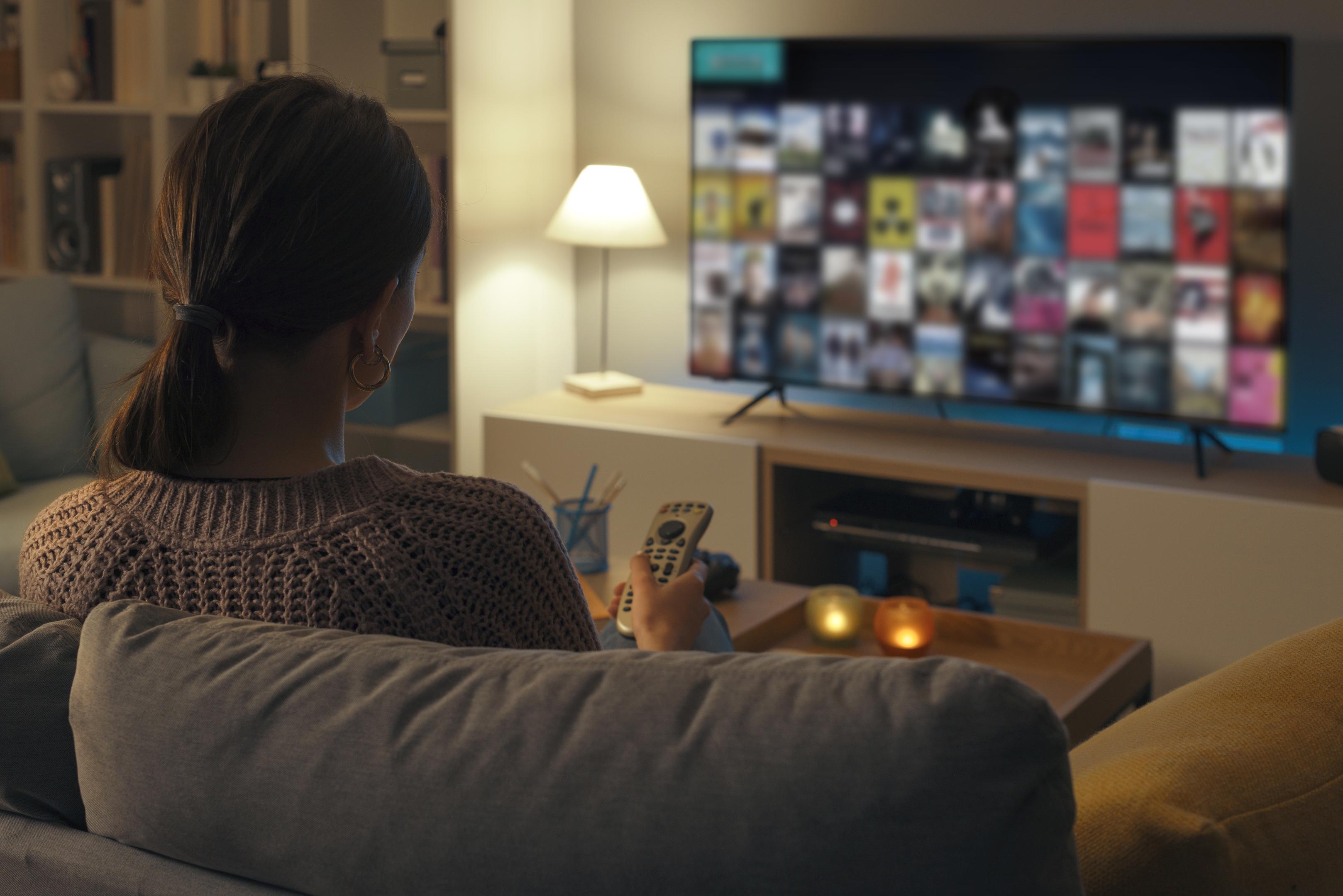
Buying a new TV sounds exciting until you’re standing in the store or scrolling online, wondering if that 55-inch TV is enough or if you should go bigger for your next TV. It’s easy to fall for the biggest screen you can afford, only to realize later it’s too overwhelming for your space, or worse, too small to truly enjoy. The truth is, choosing the right TV size isn’t just about going big but it’s about finding what actually fits your room, your viewing habits, and your comfort. If you don’t want to second-guess your decision or regret your upgrade, this guide will help you choose the right size with confidence.
Why Does TV Size Matter?
TV size matters because it directly affects how comfortable, immersive, and enjoyable your viewing experience is. It’s not just about going bigger but it’s about choosing the right size for your space and habits.
Viewing Distance
The distance between you and your TV is one of the most critical factors in determining the right screen size. Sit too far from a small screen and it feels like peering through a distant window. Not only does it feel like the details are lost but the experience also feels disconnected. Sit too close to an oversized screen and you’ll find yourself constantly moving your eyes and head to take in the full picture. The sweet spot is where the screen fills your natural field of view without demanding any extra effort. A common guideline for 4K TVs is to sit at roughly 1 to 1.5 times the screen’s diagonal measurement, so a 65″ TV ideally suits a seating distance of about 5 to 8 feet.
Comfort
Comfort is about more than just how good the picture looks. It’s about how your body feels after an hour or two of watching. A television that’s too large for your seating distance forces your eyes to dart around the screen and your neck to tilt up or side to side, which can lead to fatigue over longer viewing sessions. On the other hand, a TV screen that’s too small causes you to squint or lean forward, which is equally tiring. The right TV size lets you sit back, relax, and watch for extended periods without any physical strain.
Immersion & Experience
TV size plays a huge role in how emotionally and visually engaged you feel. Whether it’s the sweeping landscapes of a nature documentary, the intensity of a live sports match, or the detailed worlds of a video game, a properly sized screen can actually draw you into the content. When the screen matches your viewing distance well, it fills enough of your peripheral vision to create a genuinely cinematic feel. Too small, and the experience feels flat and detached. Done right, a larger TV can genuinely transform how you experience entertainment at home.
Room Fit & Aesthetics
A TV doesn’t exist in isolation — it lives in your space, and its size should complement the room rather than dominate or disappear within it. An oversized TV on a small wall can feel overwhelming and throw off the visual balance of the entire living room. Conversely, a tiny screen mounted on a large, open wall looks awkward and out of place. The right size integrates naturally with your furniture, wall space, and overall room layout, which enhances the aesthetics of the space rather than clashing with them. In addition, mounting a well-sized TV at the right height can serve as a natural extension of the room’s design.
Usage & Needs
Among anything else, how you actually use your TV matters enormously when choosing the right size. Casual news watchers or those using a TV in a bedroom may be perfectly satisfied with a modest 43–50″ screen. But dedicated home theater enthusiasts, sports fans, or serious gamers will benefit greatly from a larger display that amplifies every detail and moment. Families gathering together for movie nights need a screen large enough for everyone to enjoy from different seats and angles. Basically, your lifestyle, your habits, and who you watch with indicate what size ultimately makes the most sense for you.
Budget
You don’t want to spend your money on a 45-inch TV only to regret not going for the 55-inch. Aside from the experience, comfort, aesthetics, and your needs, choosing the right TV size also ensures you get the best value for your money. You may think it won’t be a big deal in the long run, but a TV with the wrong size can throw off your living room setup by making everyday viewing less comfortable and enjoying than it should be.
Finding the Right Resolution for Your Viewing Needs
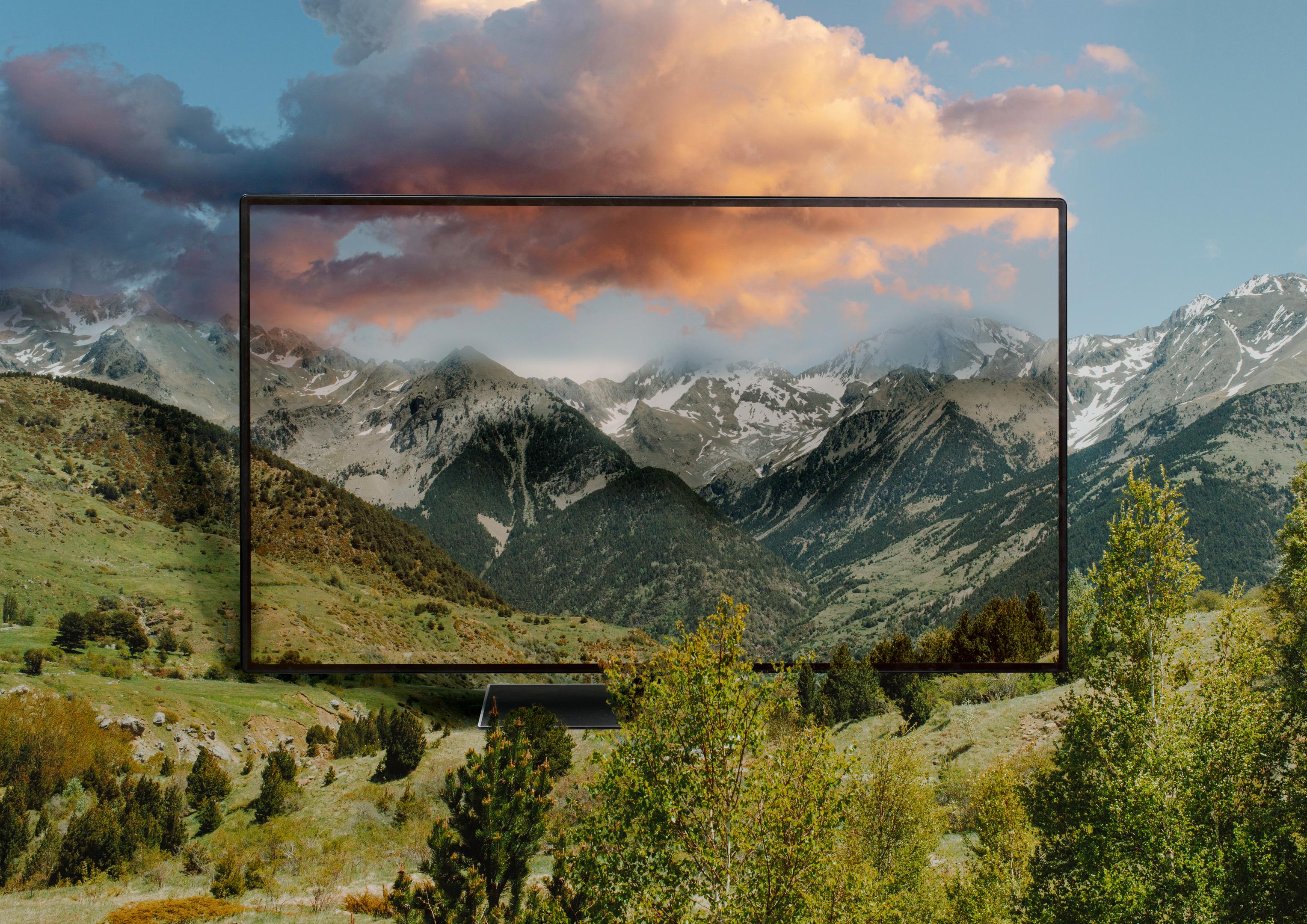
Screen resolution refers to the number of pixels that make up the image on your TV. The more pixels there are, the sharper and more detailed the picture appears. Today, most TVs come in three main resolutions: Full HD (1080p), 4K Ultra HD, and 8K Ultra HD.
Full HD (1080p)
Resolution: 1,920 × 1,080 pixels
Best for: Small TVs, budget setups, secondary rooms
Overview: Full HD TVs are now considered outdated and are mostly found in smaller or more affordable models. They still work for basic viewing but lack the sharpness of newer options.
4K Ultra HD
Resolution: 3,840 × 2,160 pixels
Best for: Most homes and viewing setups
Overview: 4K TVs have become the standard, offering a strong balance of picture quality, content availability, and price. They deliver sharp, detailed images and are widely supported by streaming platforms.
8K Ultra HD
Resolution: 7,680 × 4,320 pixels
Best for: Large, premium setups (75” and above)
Overview: 8K TVs offer extremely high resolution but are currently limited to larger, high-end models. Since true 8K content is still very limited, most content is upscaled, making the upgrade less noticeable for everyday viewing.
So what’s the real difference? It comes down to pixel count. A 4K TV has four times more pixels than a 1080p screen, while an 8K TV has four times more than 4K. In theory, more pixels mean a clearer and more detailed image. However, in real-world use, the difference between 4K and 8K isn’t always noticeable—especially on common screen sizes like 55 to 65 inches. You’ll only start to see the benefits of 8K on much larger screens or when sitting very close to the TV.
Another important factor is content availability. Since most movies, shows, and streaming services are still produced in 4K or lower, an 8K TV has to “upscale” the content to match its resolution. While high-end models can do this well, the improvement may still be minimal compared to a good 4K TV.
What should you choose?
For most people, a 4K TV is the best choice. It offers excellent picture quality, is widely supported by streaming platforms, and works well across different screen sizes and viewing distances.
If you’re considering an 8K TV, it’s best suited for:
Very large screens (75 inches and above)
Future-proofing your setup
Buyers willing to invest in premium models with strong processing
Meanwhile, 1080p TVs are only worth considering for smaller spaces or secondary rooms where budget matters more than picture quality.
✔️ Simple takeaway
You don’t always need the highest resolution—just the one that matches your screen size, viewing distance, and content. For most homes, 4K delivers the best overall experience without overspending.
Steps to Consider to Pick the Perfect TV
Spend your money wisely and avoid common mistakes by following this simple steps to choose a TV that delivers both comfort and value.
Measure Your TV Viewing Distance
Before anything else, grab a tape measure. The distance between your seat and your TV is the foundation of every size decision you’ll make.
A simple formula to find your ideal screen size:
TV Viewing Distance (in inches) ÷ 1.5 = Ideal Screen Size
So if your couch sits 90 inches (7.5 feet) from the wall, your ideal TV size is around 60 inches. If you sit 120 inches (10 feet) away, you’re looking at an 80-inch screen.
Here’s a quick reference chart:
|
Seating Distance
|
Ideal TV Size (4K)
|
|---|---|
|
4 – 5 ft
|
2 – 43"
|
|
6 – 7 ft
|
50 – 55"
|
|
7 – 9 ft
|
60 – 65
|
|
9 – 11 ft
|
70 – 75"
|
|
11 ft+
|
85"+
|
The goal is a TV screen that fills your natural field of view comfortably — not one you have to strain to see, and not one that overwhelms your eyes.
Consider Your Room Layout & Space
Once you know your TV viewing distance, look at the physical space your TV will live in.
Check your wall space. A 75-inch TV on a narrow wall between two windows won’t just look odd but it may not even fit safely. Measure the width of your wall or entertainment unit before committing to a TV size.
Think about furniture arrangement. Where is your main seating? Are there chairs or seats off to the side? Larger screens are more forgiving of wider viewing angles, especially with modern panels. Make sure everyone in the room has a decent sightline to the screen.
Match the TV to the room’s scale. A large TV in a small room can feel suffocating while a small TV in a huge living space looks lost. This is why you should always aim for balance. Keep in mind that your TV should feel like a natural part of the room, not the thing that took over it.
Decide How You’ll Use Your TV
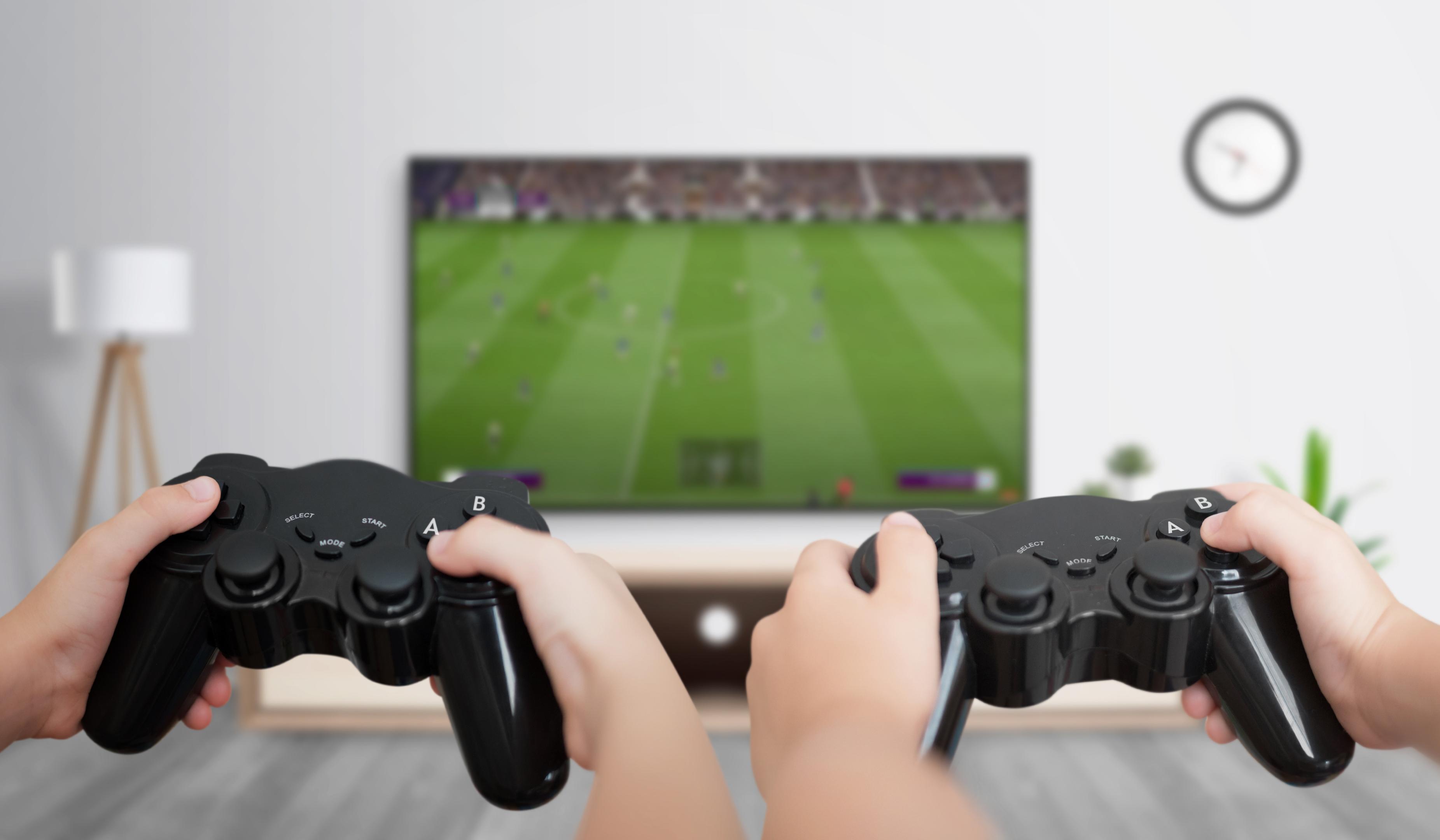
Your viewing habits matter more than most people realize. Think honestly about how you primarily use your TV:
Movies & streaming — If watching is your hobby, a larger screen with a cinematic aspect ratio pays off here. Surely, a larger TV brings blockbusters to life, letting you notice details and colors you’d miss on a smaller screen. So lean toward the bigger end of your ideal TV size range.
Sports — Fast motion and wide-angle shots benefit from larger displays where you can track the action without missing details. Just like film enthusiasts, sports fans like catching every fast break, touchdown, or goal in vivid detail.
Gaming — Screen size matters, but so does response time and refresh rate. For gaming, a 55–65″ screen at a closer distance can deliver an immersive experience without sacrificing performance. If you want to feel like you’re part of the action, choose a larger screen with fast refresh rates and low input lag.
Casual watching — If you are just buying one to watch news, casually watch TV shows, follow recipes from cooking channels, or simply have it on for background viewing, a massive screen isn’t necessary. These activities don’t demand a huge display, so a mid-range TV size is more than enough.
Factor in Resolution & Screen Type
TV size and picture quality go hand in hand. A bigger screen only looks better if the resolution and panel quality can support it.
Resolution matters at larger sizes
1080p (Full HD TV) works well up to about 43 inches. Beyond that, the image can start to look soft, especially up close.
4K (Ultra HD) is the standard for anything 50 inches and above. The extra detail holds up even at larger sizes and closer distances, which is why the viewing distance formula is more forgiving with 4K.
Panel type affects your experience
OLED (Organic Light-Emitting Diode) — Delivers deep blacks, rich contrast, and stunning color accuracy. Ideal for dark rooms and cinematic viewing. Generally pricier but widely considered the best picture quality available.
QLED / LED (Quantum Dot LED) — Brighter panels that perform better in well-lit rooms. Great for sports and daytime viewing. More affordable at larger sizes.
There’s no single “best” panel — it depends on your room’s lighting conditions and what you value most in a picture.
Check Your Budget
It’s easy to fall in love with an 85-inch OLED in the showroom but it’s harder to justify it when it doesn’t leave room in the budget for a proper stand, a soundbar, or even a streaming device.
If you don’t want to end up regretting your purchase or cutting corners on essential accessories, it’s important to plan your budget carefully before committing to a larger screen. A few things to keep in mind:
Bigger screens cost more
Larger screens don’t only cost more to buy, but they can also be more expensive to ship, mount, and insure. On top of that, you may need extra accessories like a sturdy wall mount, a compatible sound system, or additional cables, all of which add to the overall investment.
Brand and features affect price significantly
Two 65-inch TVs can vary by hundreds of dollars depending on the manufacturer, smart platform, refresh rate, and HDR support. Don’t buy immediately. Compare models carefully and take the time to read reviews, check feature sets, and see them in action if possible to make sure you’re getting the best value for your money.
The best TV for you is the best TV within your budget
A well-chosen 55-inch 4K OLED will outperform a budget 75-inch LED in almost every meaningful way. Picture quality, color accuracy, contrast, and motion handling often matter more than sheer screen size. Investing in a slightly smaller but higher-quality TV can give you a more enjoyable viewing experience, longer-lasting performance, and fewer regrets down the road.
Recommended TV Size by Room Type
Room type | Recommended size | Optimal Viewing distance | Resolution | Best panel | Best for |
|---|---|---|---|---|---|
🛋️ Living room Main family screen | 55″ – 85″ Sweet spot: 65″ | 7 – 12 ft 2.1 – 3.7 m | 4K | OLED / QLED | Movies, sports, streaming, family viewing |
🛏️ Bedroom Personal viewing | 32″ – 55″ Sweet spot: 43″ | 4 – 8 ft 1.2 – 2.4 m | 1080p / 4K | LED / OLED | Casual watching, streaming before sleep |
🎮 Gaming room Dedicated setup | 43″ – 65″ Sweet spot: 55″ | 4 – 7 ft 1.2 – 2.1 m | 4K / 1440p | OLED / QLED | Console gaming, fast-action, competitive play Prioritize 120Hz refresh + low input lag |
💼 Home office Work & productivity | 32″ – 50″ Sweet spot: 40″ | 3 – 6 ft 0.9 – 1.8 m | 4K | LED / IPS | Video calls, dual-screen work, background media Consider a monitor instead for desk use |
🎬 Home theater Dedicated cinema | 75″ – 100″+ Sweet spot: 85″ | 10 – 16 ft 3 – 4.9 m | 4K / 8K | OLED / Laser | Movies, immersive content, premium experience Consider a projector for 100″+ setups |
🍳 Kitchen / dining Secondary screen | 24″ – 43″ Sweet spot: 32″ | 5 – 9 ft 1.5 – 2.7 m | 1080p / 4K | LED | News, cooking shows, background music/TV Smaller is fine — avoid screen dominance |
Quick sizing formula (4K)Viewing distance ÷ 1.5 = ideal screen size
Quick sizing formula (1080p)Viewing distance ÷ 2 = ideal screen size
Example: 8 ft away (96″) ÷ 1.5 = 64″ screen (4K)
Frequently Asked Questions
1. What size TV should I get based on viewing distance?
A common guideline is to sit about 1.5 to 2.5 times the screen size away from your TV for the best balance of comfort and immersion.
2. Is it better to get a bigger TV?
Not always. While larger TVs can be more immersive, choosing a size that fits your room and viewing distance is more important for comfort.
3. What is the best TV size for a living room?
Most living rooms are best suited for 55 to 75-inch TVs, depending on the size of the space and seating distance.
4. Can a TV be too big for a room?
Yes. A TV that’s too large can cause eye strain and make it uncomfortable to watch, especially in smaller spaces.
5. Does resolution matter when choosing TV size?
Yes. Higher resolutions like 4K allow you to enjoy larger screens at closer distances without losing picture quality.
Takeaway
Set a realistic budget, identify the size range that works for your space, and then find the best picture quality and features within that range. That’s the formula for a purchase you’ll be happy with for years.
No single screen size works for everyone. A 75-inch TV can be a perfect living room centerpiece in one home and completely overwhelming in another. What matters is how you screen fits your space, needs, and your budget.
If you’ve measured your viewing distance and thought honestly about how you watch, you already have everything you need to decide. Trust those numbers over trends and the temptation to simply go bigger. Measure your space, match your size to your distance, and get the best picture quality your budget allows. Do those things and you’ll walk away with the right TV for your home.
If you found this useful, check out more articles and join our weekly newsletter for regular updates.