Advertising Disclosure

Skin Research Institute has a financial connection to products sold via links on our website such as our top choices.


GadgetHome & LifestyleOutdoor & Lifestyle Product Reviews

Why Rats Aren’t Leaving After Using Rodent Ultrasonic Repellers

rodent

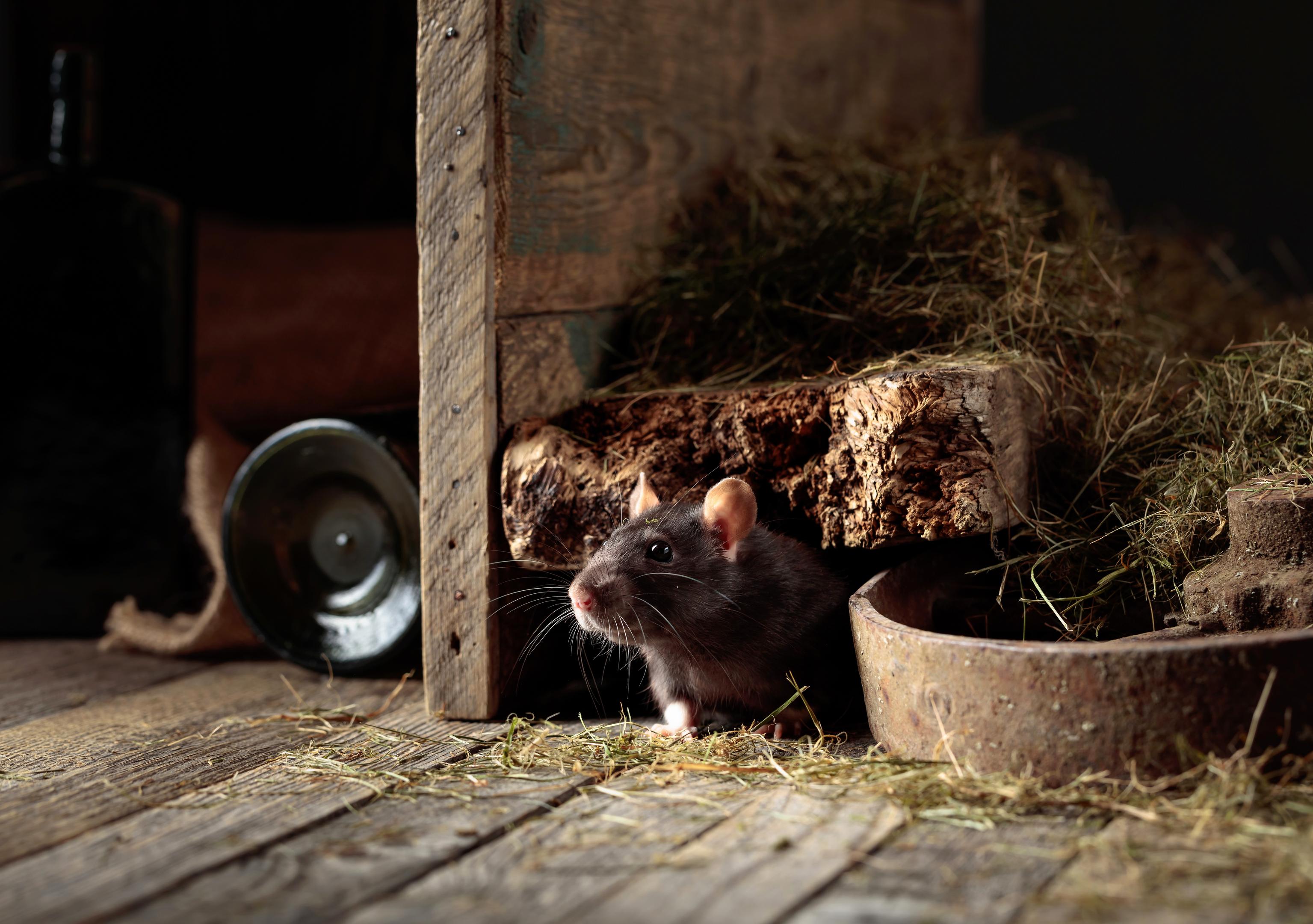
Rodent ultrasonic repellers are marketed as an easy, no-fuss solution—just plug them in and let the sound drive pests away. But what happens when the rats don’t leave? If you’re still dealing with noise, damage, or sightings even after using one, you’re not alone. The truth is, there are several reasons why these devices don’t always work the way people expect. Let’s find out why and what’s the best thing to do to actually get rid of them for good.
How Rodent Ultrasonic Repellers Are Supposed to Work

Ultrasonic rodent repellers are plug-in or battery-powered devices that emit high-frequency sound waves — typically between 15,000 and 65,000 Hz — far beyond the range of human hearing. The premise sounds reasonable: since rodents like mice and rats are highly sensitive to sound, bombarding them with uncomfortable frequencies should, in theory, drive them out of your home for good.

Here’s the basic logic these devices are built on:

Rodents have sensitive hearing

Rodents can detect sounds up to 90,000 Hz which means they can perceive ultrasonic frequencies that we can’t. Because of this, manufacturers claim their devices create a kind of “sound barrier” that makes your home uncomfortable for rodents.

The sound is supposed to cause stress and disorientation

According to product claims, continuous exposure interferes with a rodent’s ability to communicate, find food, and feel safe — essentially making your space too hostile to stick around in.

It’s marketed as a hands-free, chemical-free solution

No traps to check, no poison to worry about around kids or pets. Just plug it in and let the sound do the work. That’s a big part of why millions of people buy these devices every year.

Why Rodents Aren’t Leaving (The Main Reasons Explained)

rodent

If your ultrasonic pest repeller has been plugged in for weeks and you’re still hearing scratching in the walls, you’re not alone. Here’s why these devices often fail:

They Adapt Quickly

Rodents are highly intelligent animals. After a short period of exposure, they simply get used to the sound. What felt threatening at first becomes just another part of their environment.

Sound Doesn’t Travel Through Walls

Ultrasonic waves are easily blocked by furniture, walls, and other solid objects. So while one room might be covered, rats hiding inside your walls, attic, or crawl space are barely affected at all.

The Coverage Area Is Overstated

Most devices claim to cover a wide area, but real-world performance is much smaller. A single ultrasonic repeller in your kitchen isn’t reaching your garage, basement, or the gaps behind your cabinets where rats actually nest.

The Science Doesn’t Back It Up

Multiple studies and research have found little to no scientific evidence that ultrasonic repellers effectively repel rodents long-term. The Federal Trade Commission (FTC) has even issued warnings to manufacturers for making misleading claims.

They Don’t Fix the Real Problem

Rats are in your home for a reason — food, water, and shelter. A sound device does nothing to eliminate those attractions. As long as the conditions are right, rats will tolerate the discomfort and stay.

How to Effectively Eliminate Rats and Other Pests

Since ultrasonic pest control devices alone aren’t getting the job done, here’s what actually works:

Seal Every Entry Point

Rodents can squeeze through a hole the size of a quarter. Walk around your home and seal any cracks, gaps, or openings using steel wool, caulk, or hardware cloth. This is the single most important step — if they can’t get in, the problem stops at the source.

Use Snap Traps

Old-fashioned snap traps remain one of the most effective methods available. Place them along walls, behind appliances, and anywhere you’ve noticed droppings. Use peanut butter or nesting material as bait and check them daily.

Remove Food and Water Sources

Rats stay where resources are easy to find. Store food in sealed containers, fix any leaky pipes, keep garbage bins tightly closed, and clean up pet food after feeding time. Cut off their supply and your home becomes far less attractive.

Try Rodenticide Carefully

Rat poison bait stations can be effective but should be used with caution — especially if you have kids or pets at home. Always follow label instructions and place them in areas only rats can access.

Call a Professional Exterminator

If the infestation is severe or you’ve tried everything without success, a licensed pest control or professional rodent control is your best bet. They can assess the full scope of the problem and apply treatments that aren’t available over the counter.

Keep Up With Prevention

Once the rats are gone, don’t give them a reason to come back. Regular cleaning, ongoing home maintenance, and periodic inspections go a long way in keeping your home rat-free for good.

Frequently Asked Questions

Do ultrasonic pest repellers work?

Ultrasonic repellers may help in some situations, but they are not a guaranteed solution. Many users find that rats become used to the sound over time or ignore it completely, especially if other conditions in the area are favorable.

How long does it take for ultrasonic repellers to work?

There is no fixed timeframe, and in many cases, they may not work at all. Some people notice changes within days, while others see no effect even after weeks.

Where should ultrasonic repellers be placed?

They should be placed in open areas where sound can travel freely. Avoid placing them behind furniture, curtains, or objects, as these can block the sound waves.

Are ultrasonic repellers safe for pets?

They are generally considered safe for humans and most pets like dogs and cats. However, small animals such as hamsters, guinea pigs, and rabbits may be affected by the sound.

Can one ultrasonic repeller cover the whole house?

No. Ultrasonic waves cannot pass through walls, furniture, or floors. You would need multiple units for different rooms or areas.

What is the most effective way to get rid of rats?

The most effective approach combines multiple methods: removing food sources, sealing entry points, using traps, peppermint sprays, and maintaining cleanliness. Ultrasonic pest repellers alone are usually not enough.

Takeaway

Rodent ultrasonic repellers can be part of your pest control efforts, but they shouldn’t be relied on as a standalone solution. While they may help deter pests to some extent, they are not a guaranteed fix for a rodent problem. The most effective approach is to combine multiple methods listed above alongside any repellers you choose to use. By addressing the root causes, you can better deter pests and keep your home truly rodent-free.

Looking for more helpful guides like this? Check out our recent posts and subscribe to our weekly newsletter.

Tria Regina David

Tria David is a content writer, SEO specialist, and digital strategist dedicated to helping shoppers make informed, confident decisions. She creates research-driven buying guides, product comparisons, and practical resources that simplify complex information and provide real value to readers. With experience across diverse industries — including legal, technology, home improvement, health and more — Tria combines data-backed SEO strategy with a reader-first approach, so her content not only ranks well but truly helps consumers navigate their choices.