Advertising Disclosure
10 Camping Mistakes Beginners Make (and How to Fix Them)

Most first-time camping trips don’t go wrong because of big disasters. They go wrong because of small, overlooked mistakes. Things like packing the wrong gear, choosing a bad campsite, or underestimating the weather can quickly turn an exciting plan into a stressful experience. The frustrating part? These are the kinds of mistakes you only realize after it’s too late.
Before you head out, it’s worth knowing what most beginners get wrong and how to avoid those same problems. In this guide, we’ll walk through the 10 common camping mistakes beginners make and how to fix them. Whether you’re having your first camping trip or just looking to improve your skills, this will help make your camping experience feel less like a gamble and more like the adventure you planned.
1. Not Planning or Researching the Campsite
Many beginners show up to a campsite without knowing the rules, terrain, or available facilities — and end up surprised or unprepared. Some campsites require reservations, have fire restrictions, or don’t have running water.
How to Fix It: Always research your campsite before you go. Visit the official park or campground website, read recent reviews, and know what amenities are available. Make reservations early, especially during peak seasons. Planning ahead helps you avoid surprises and ensures you’re fully prepared for your trip.
2. Overpacking or Underpacking
Beginners often make one of two mistakes—they either bring way too much stuff and struggle to carry it, or they pack too light and end up missing something important. Both can make your trip uncomfortable and stressful, especially if you realize you forgot something once you’re already at the campsite.
How to Fix It: Make a checklist before you pack and stick to the essentials: shelter, sleeping gear, food, water, clothing layers, a first aid kit, and navigation tools. Lay everything out before putting it in your bag and ask yourself, “Do I really need this?” Think in terms of function, not just “nice to have.” It also helps to pack for your specific trip—overnight vs. multi-day, warm vs. cold weather—so you’re not overpacking or underpacking. Keeping your load balanced and lightweight makes hiking easier and helps you stay organized throughout your trip.
3. Ignoring Weather Conditions
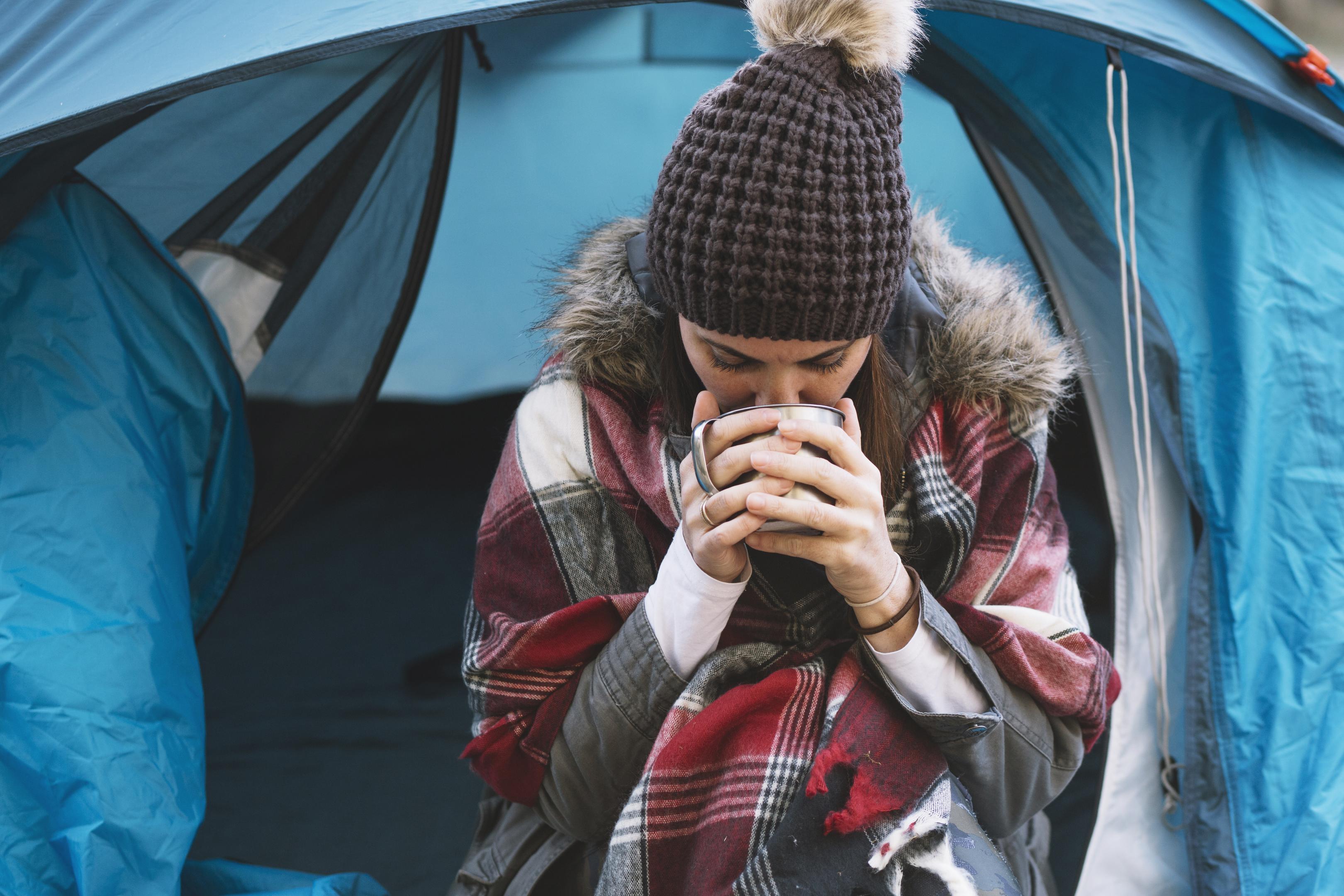
Weather outdoors can change quickly, more than most beginners expect. You might start your trip under clear skies, then face rain, strong winds, or cold temperatures by the time you reach your campsite. Nights can get especially cold, even in mild seasons, and without the right gear, it can turn an enjoyable trip into an uncomfortable or even risky camping experience.
How to Fix It: Check the weather forecast a few days before your trip and again before you leave. Still, don’t rely on it completely. Always pack for possible changes. Bring layered clothing (base, mid, and waterproof outer layer), plus a warm hat and extra socks. Use a sleeping pad suited for colder temperatures so you stay comfortable even on cold nights.
4. Choosing the Wrong Tent or Not Practicing Setup
Nothing is more frustrating than struggling to set up a tent in the dark or in the rain especially when you’ve never done it before. After a long trip, the last thing you want is confusion over poles, missing stakes, or a setup that takes twice as long as it should. It can quickly turn excitement into stress and delay your ability to rest or stay dry.
How to Fix It: Set up your tent at home at least once before your trip. Get familiar with your tent poles, clip, and stake so you know exactly how they work. You can even time yourself to see how long it takes. When you arrive at your campsite, try to set up your tent while there’s still daylight and good weather. This simple preparation saves you time, reduces stress, and helps you feel more confident and ready once you’re outdoors.
5. Not Bringing Enough Food and Water
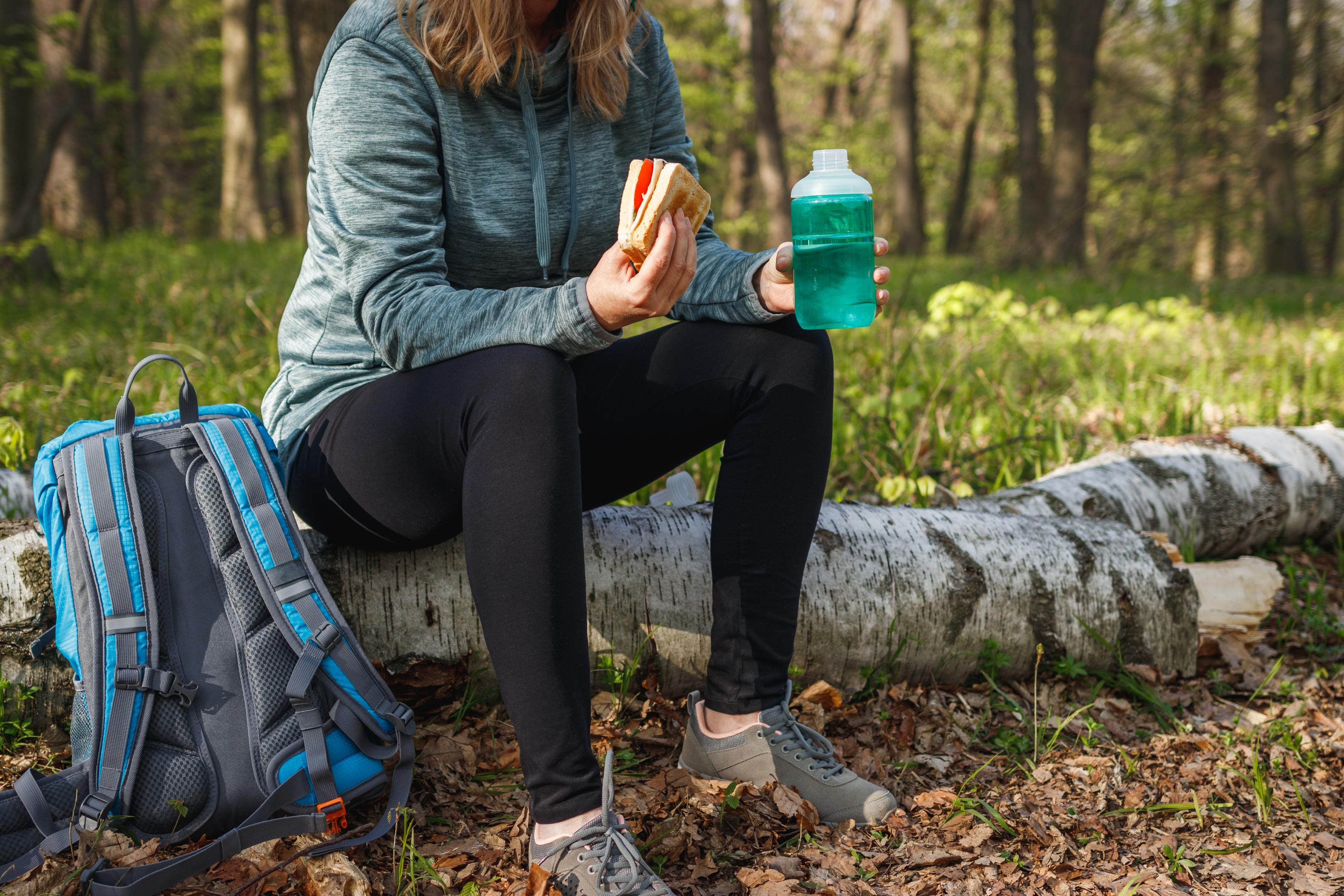
Food and water are two things you never want to run short on in the outdoors. Many beginners underestimate how much they’ll actually need, forgetting that physical activity, fresh air, and changing temperatures can increase both hunger and thirst significantly more than a normal day at home. Running low on either especially water can quickly turn a fun trip into a dangerous situation.
How to Fix It: Plan your meals ahead of time and pack more than you think you’ll need. A good rule of thumb is to bring one extra day’s worth of food as a buffer in case your trip runs longer than expected. Choose meals that are lightweight, easy to prepare, and high in energy, such as trail mix, energy bars, instant oatmeal, and freeze-dried meals. For water, the general guideline is at least half a liter per hour of physical activity, and even more in hot weather. Always carry a water filter, purification tablets, or a UV purifier as a backup in case you need to pull from a natural source.
6. Poor Campfire Safety
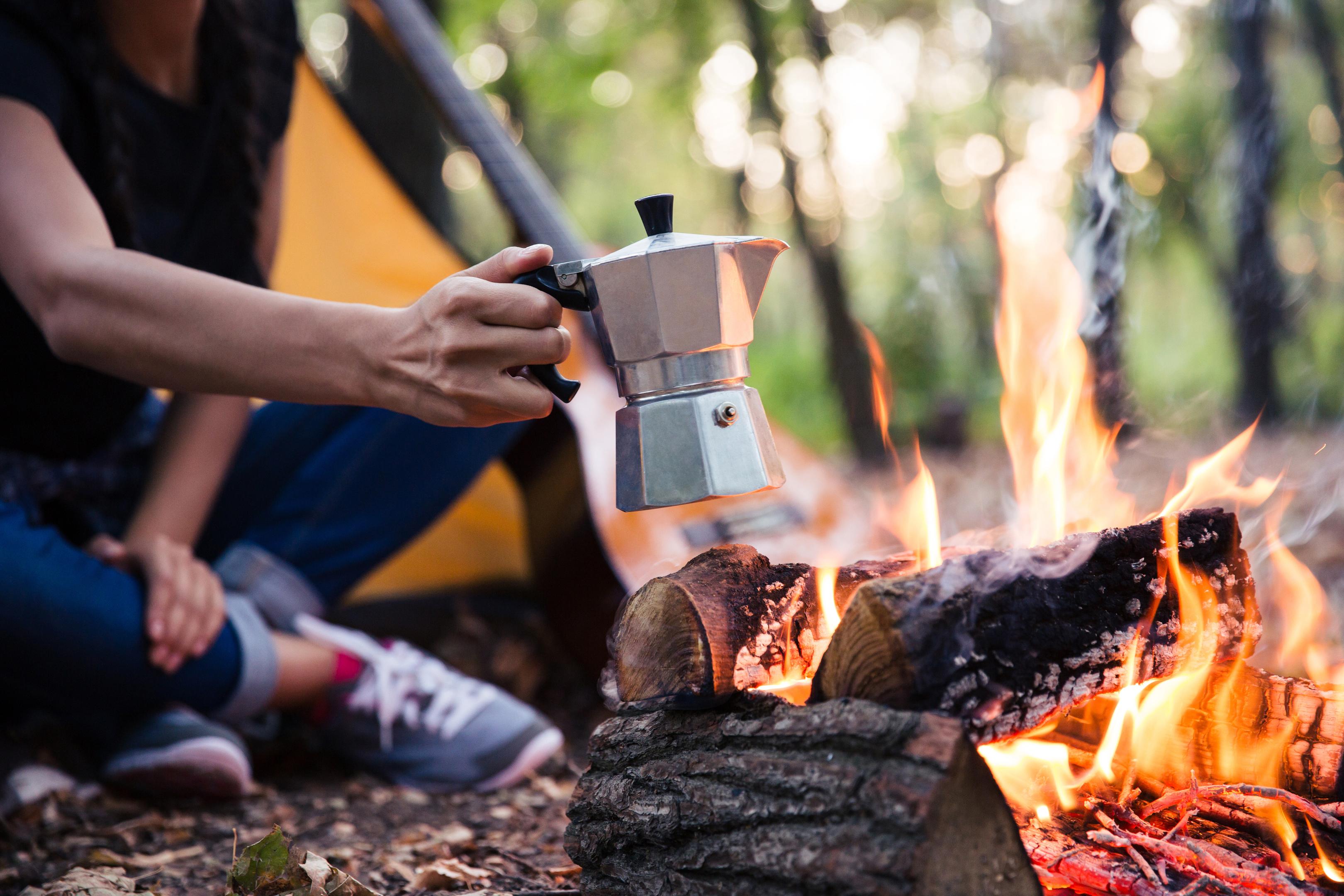
A campfire is one of the best parts of any camping trip but it’s also one of the easiest things to mishandle. A fire that isn’t properly managed can spread quickly, especially in dry or windy conditions, putting you, other campers, and the surrounding environment at serious risk. Many beginners assume it’s fine to step away for just a few minutes or let the fire burn out on its own overnight but that’s often all it takes for things to go dangerously wrong.
How to Fix It: Before your trip, check the campsite’s website or ask the camp host upon arrival to stay updated on any fire restrictions in your area. If allowed, always build your fire in a designated fire pit, away from tents, trees, and dry grass. Never leave it unattended, and fully extinguish it before sleeping or leaving — douse it with water, stir the ashes, and make sure everything is completely cool to the touch.
7. Forgetting Essential Items
It happens to almost every first-time camper. You get to the campsite and realize you left something important at home. Maybe it’s the tent stakes, the can opener, the flashlight, or even the sleeping bag. Forgetting essential gear doesn’t just cause inconvenience but it can make your trip uncomfortable, stressful, or in some cases, genuinely unsafe.
How to Fix It: The simplest solution is to build a master camping checklist and use it every single time you pack. Organize your list by category: shelter, sleep, food and cooking, clothing, safety, and hygiene so nothing slips through the cracks. Pack your bag a day or two before your trip, not the morning of, so you have time to notice what’s missing. It also helps to do a final walkthrough the night before you leave, checking off each item one by one. A few extra minutes of preparation at home can save you hours of frustration out in the wild.
8. Not Dressing in Proper Layers
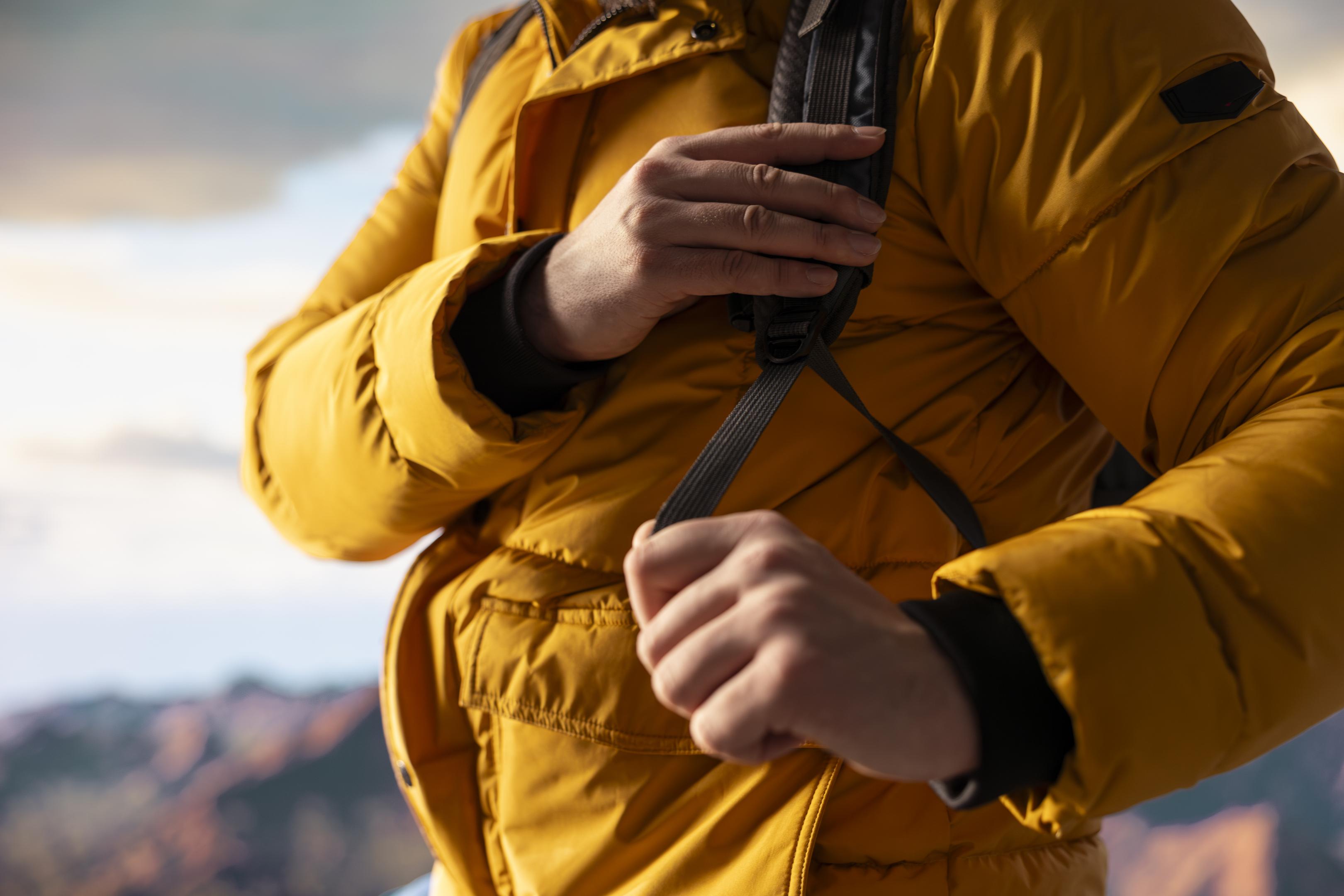
Temperatures can drop significantly at night even in the summer, and many beginners are caught off guard wearing just a t-shirt and shorts after dark. What feels warm and comfortable during the day can quickly turn cold once the sun goes down, especially in higher elevations or open areas where there’s little to block the wind. Without proper clothing, this can lead to discomfort, poor sleep, and even mild hypothermia in more extreme cases.
How to Fix It: Dress in layers using the three-layer system — a moisture-wicking base layer to keep sweat off your skin, an insulating mid-layer to trap body heat, and a waterproof outer layer to protect against wind or unexpected rain. Always pack a warm hat and extra socks, since you lose a lot of heat through your head and feet. Having extra layers on hand allows you to adjust as temperatures change, keeping you comfortable and safe throughout the night.

9. Overestimating Skills and Underestimating Nature
One of the biggest and most dangerous mistakes beginners make is thinking camping is easier than it actually is. It’s tempting to watch a few outdoor videos online and feel fully prepared, but real nature doesn’t always follow a script. Trails can be steeper than they look on a map, temperatures can drop without warning, and getting lost is easier than most people expect.
How to Fix It: Be honest about your experience level before choosing a campsite or trail. Start small, pick a beginner-friendly campground close to home for your first trip rather than diving into a remote backcountry adventure. Take a basic outdoor skills class or go with someone more experienced your first time out. Always tell someone where you’re going, when you plan to return, and carry a map even if you have a GPS. Nature deserves respect, and the more prepared and humble you are going in, the safer and more enjoyable your experience will be.
10. Leaving No Trace (Ignoring Environmental Responsibility)
One of the most overlooked common mistakes campers make is leaving a campsite worse than they found it—whether it’s trash, food scraps, or small damage like broken branches or disturbed areas. These might seem minor, but they can harm wildlife, attract animals to campsites, and slowly damage the natural environment for future campers.
How to Fix It: Follow the Leave No Trace principles. Pack out everything you bring in, including food wrappers and leftovers. Dispose of waste properly, use designated areas when available, and avoid disturbing plants or wildlife. Even small actions like picking up tiny bits of trash or minimizing your campfire impact can all make a big difference. Aim to leave the campsite exactly as you found it, or even cleaner, so others can enjoy it the same way you did.
Frequently Asked Questions
How do I properly prepare before going camping?
Preparation includes researching your campsite, checking the weather, making a checklist, packing appropriate gear, and planning your meals. Proper preparation reduces stress and helps prevent most common camping issues.
What is the best way to avoid overpacking or underpacking?
Use a checklist and focus on essentials like shelter, food, water, clothing, and safety items. Pack based on the length of your trip and expected conditions, and avoid bringing items you won’t realistically use.
How important is checking the weather before and during a camping trip?
Checking the temperature is very important. Weather can change quickly and affect temperature, visibility, and safety. Always check forecasts before leaving and be prepared for unexpected changes by bringing layered clothing and proper gear.
What are the key rules for campfire safety?
Always use designated fire areas, keep water or sand nearby, never leave the fire unattended, and fully extinguish it before sleeping or leaving. Following these rules prevents accidents and reduces fire hazards.
How do I choose a safe and suitable campsite?
Look for a flat, dry ground area away from water sources, dead trees, or steep slopes. Make sure the location is allowed, follows campground rules, and provides some natural protection from wind and weather.
What is “Leave No Trace” and why is it important?
It means respecting nature by cleaning up after yourself, minimizing your impact, and leaving the campsite as you found it to protect the environment.
Do I need to practice setting up my tent before camping?
Yes. Many beginners struggle because they haven’t practiced before arriving at the campsite. Setting up your tent at home helps you learn how to set it up quickly and prevents frustration, especially in low-light or bad weather.
Why is tent setup a common issue for beginners, and how can it be avoided?
Setting up your tent at home helps you understand the process, saves time, and prevents frustration, especially in low-light or bad weather.
What should I do if something goes wrong during my camping trip?
Stay calm, assess the situation, and use basic safety items like a first aid kit. Always inform someone of your plans beforehand, and have an emergency contact or exit plan if needed.
How can beginners gain confidence in camping?
Start with short trips, camp with experienced people if possible, practice using your gear at home, and learn basic outdoor skills. Experience builds confidence and helps you avoid common mistakes over time.
Final Thoughts
Camping is one of the most rewarding experiences you can have — but like any skill, it takes a little preparation to get right. The mistakes covered in this guide aren’t meant to scare you off from hitting the trails. They’re here to help you walk in confident, prepared, and ready to actually enjoy yourself.
The truth is, most camping trips go wrong not because of bad luck, but because of small oversights that are completely avoidable. Pack smart, respect nature, check the weather, and always leave your campsite better than you found it. Start simple, stay safe, and don’t be afraid to learn as you go.
Every experienced camper you admire once made these same beginner mistakes — the difference is they kept going. Now it’s your turn.
Ready to plan your first camping trip? Use this guide as your go-to checklist and head outdoors with confidence. Subscribe to our weekly newsletter for more guides like this.