Advertising Disclosure

Skin Research Institute has a financial connection to products sold via links on our website such as our top choices.


GadgetTechnology & Electronics Reviews

Bosch Stud Finder vs Franklin Sensors: Which Is Better?

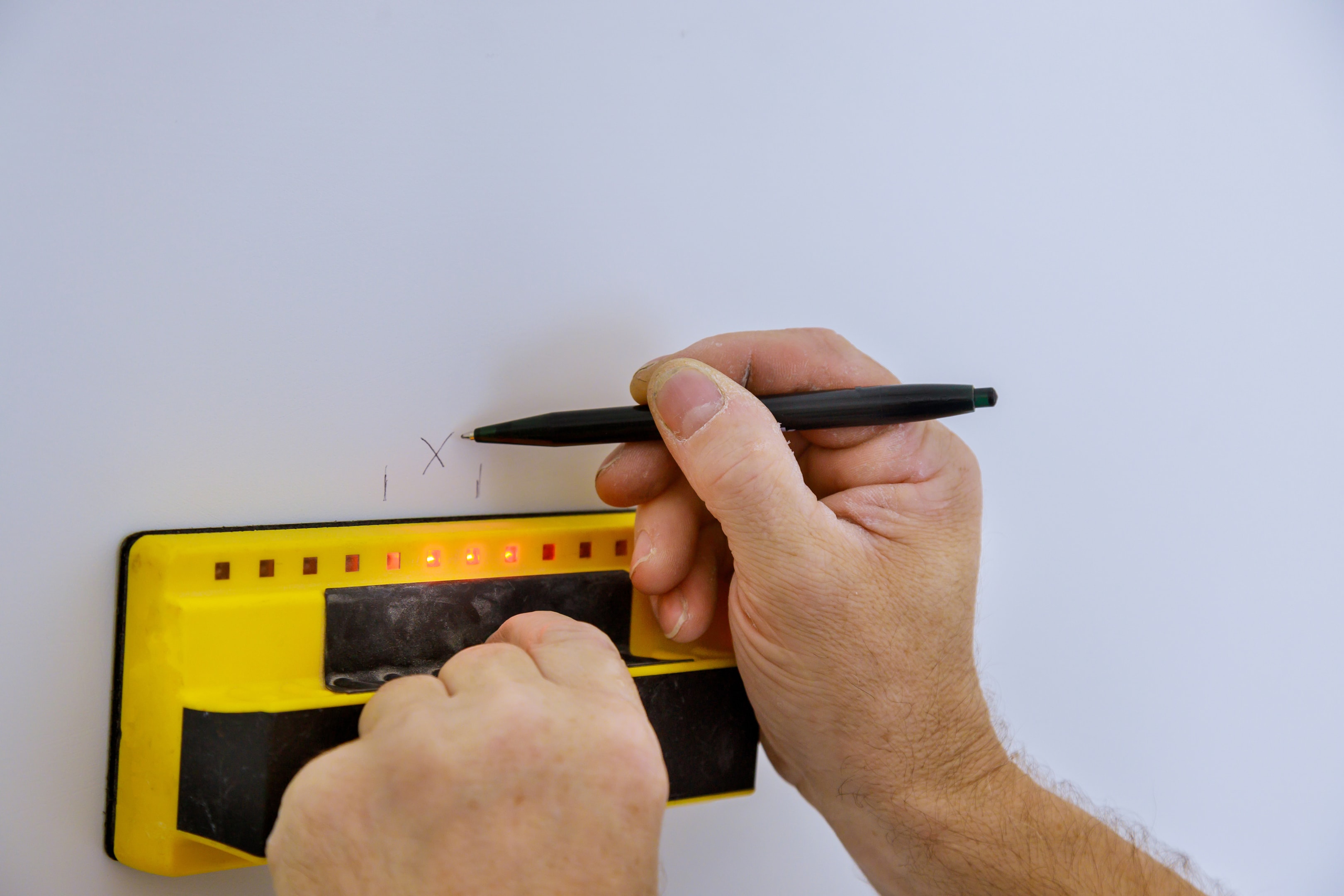
a handyman fixing wires on a drywall while looking at a tool

Are you planning to purchase a stud finder but can’t decide between Bosch and Franklin Sensors? Both are well-known for being reliable, but they work differently and use different designs, which affects how they detect studs, metal, and live wires.

In this guide, we’ll break down each of their key differences so you can confidently decide which stud finder is the smarter buy for your needs.

How Stud Finders Work

Stud finders are tools designed to locate hidden studs behind walls. They work either by detecting changes in wall density or by sensing metal objects with magnets or electronic sensors. Stud finders work best on standard drywall, plaster, or paneling.

Detection can be less reliable with uneven walls, thick textures, or unusual framing. Some sensors may not detect metal studs or wiring unless designed for multi-material scanning.

Types of Stud Finder Detection

Electronic Density-based Detection

Measures changes in wall density to identify studs, typically using a single sensor.

Multi-sensor Array Detection

Uses multiple sensors to scan a wider area simultaneously, often showing stud center and edges for more accurate detection.

Bosch GMS 120-27: Key Features and Specs

bosch stud finder

Bosch GMS 120-27 is a professional wall scanner that helps detect and locate metals, live wires, and wood studs in dry walls.

Key Features

Quick Detection Status

Bosch wall scanner features an easy detection status of metal objects, live wires, and wood studs for confident drilling.

User-friendly

This easy-to-use device features simple selection modes for locating center of studs and indicates whether the object is magnetic or non-magnetic metal, a live wire, or non-metallic.

LED Color Indicator

Features a color-coded LED ring around the center that turns red when metal objects, detected wood, or other objects are found, and stays green when no object is detected.

Durable

This wall scanner has a shock-absorbing rubber casing and IP54 which is designed for tough job sites and conditions.

Dual Power Source

The dual power source enables the use of alkaline batteries and Li-on battery pack.

Limitations

Sensitive to Electronics

Nearby electronic devices can affect readings. When exposed to mobile phones, laptops and other gadgets that have electric, magnetic, or electromagnetic fields, it can produce less accurate results.

Battery Dependency

This wall scanner depends on AA batteries to fully operate If used in long periods of time, it may need battery replacement to function properly.

Limited Display Visibility

When placed under direct sunlight, the readings may be difficult to read.

Limited Detection Depth

Detection depth varies depending on material. This means deeper objects may not be detected reliably. For example:

  • Wood studs in drywall: about 30 mm

  • Live wires: about 50 mm

  • Metals: deeper but still limited

Franklin Sensors ProSensor M210: Key Features and Specs
Franklin sensors

Franklin sensors is a multi‑sensor electronic stud finder and wall scanner designed to help you locate studs and other hidden objects inside walls with greater precision than conventional single‑sensor models.

Key Features

Automatic Center Finder

This device scans a wider area at once, detecting the full stud width and edges, while locating the center of each stud. The middle LED light turns green when a stud center is detected.

Live Wire Meter

Equipped with a built-in live wire meter that alerts when live wire is present within the detectable sensor area. The yellow LED lights up in sequence whenever live wire is detected.

LED Display

This features a wide LED display that clearly shows where studs are located as you slide the tool across the wall.

Automatic Calibration

Quickly adjusts its sensors to the wall’s surface. You can start scanning anywhere on the wall without waiting for the tool to calibrate first.

Deep Scan

The ProSensor M210 can detect studs and other objects up to 1.7 inches deep, automatically adjusting for wall material, texture, and depth.

Built‑in Bubble Level & Pencil Caddy

This feature makes it easier to mark and level installations without needing separate tools.

Durable

Built with high-quality, impact-resistant materials that withstand regular use on walls and construction sites.

Limitations

Stud Detection Only

This device may only be focused on detecting studs. Compared with other wall scanners that are designed with multi‑material scanning.

Battery Dependency

This device uses AA batteries to fully function. If the batteries are not fresh or fully charged, the tool may produce weaker signals or inconsistent readings.

Not Ideal for Tight Spaces

Unlike other compact stud finders, Franklin’s design is longer and wider. This makes it less comfortable to handle, especially in tight spaces.

Technical Specifications

SpecificationBosch GMS 120-27Franklin Sensors ProSensor M210
Tool TypeMulti-wall scannerMulti-sensor stud finder
Detection TechnologyRadar / multi-mode detectionMulti-sensor array (13 sensors)
Max Detection Depth (Wood)~30 mm~1.7 in (~43 mm)
Max Detection Depth (Live Wire)~50 mmDetects live wire (no fixed depth rating listed)
Max Detection Depth (Non-Magnetic Metal)~120 mmNot primary function
Max Detection Depth (Magnetic Metal)~100 mmDetects metal but not main spec focus
SensorsNot specified13 individual sensors
CalibrationAutomatic calibrationNo calibration required
DisplayLCD screen with material indicationLED array (shows stud width + center)
Power Source2 × AA batteries2 × AA batteries
Protection RatingIP54 dust & splash protectionNot officially IP rated
Primary Use CaseDetect wood studs, metal, live wires, pipesLocate stud edges + locating center quickly
Scan WidthNarrow scan areaWide detectable sensor area
Typical Body DesignCompact handheld scannerWide rectangular body


Bosch Stud Finder vs Franklin Sensors: Which Should You Pick?

If you’re trying to choose between Bosch and Franklin Sensors stud finders, both brands are well-known for reliability, but the right one depends on your needs. Whether you’re a DIY homeowner hanging shelves or a professional working on construction projects, understanding how these two brands compare can help you avoid costly mistakes behind your walls.

Accuracy & Performance

When it comes to detecting studs, Franklin Sensors is known for its deep detection and consistent accuracy, making it ideal for thicker walls or tricky surfaces. Bosch also provides reliable detection, but its strength lies in speed and ease of use for standard walls, making it a solid choice for quick DIY projects.

Comfort & Handling

If you are working on long projects and may need an ergonomic soft grip to reduce hand fatigue and improve control, Bosch is the better option. It is smaller and more compact which makes it easier to use in tight spaces.

Features & Technology

Bosch often includes advanced features like multi‑mode detection (wood studs, metal objects, live wire), deeper scanning, and digital displays. While Franklin sensors offer essential detection features that cover most DIY needs, sometimes with simpler user interfaces.

Price & Value

If you’re on a budget and need a stud finder that performs well for everyday use, Franklin Sensors is a solid choice. But if you can invest a bit more for higher performance and durability, Bosch is the better option.


Want more expert guidance and honest product reviews? Join our weekly newsletter and follow us on social media to never miss tips, trends, and recommendations.

Tria Regina David

Tria David is a content writer, SEO specialist, and digital strategist dedicated to helping shoppers make informed, confident decisions. She creates research-driven buying guides, product comparisons, and practical resources that simplify complex information and provide real value to readers. With experience across diverse industries — including legal, technology, home improvement, health and more — Tria combines data-backed SEO strategy with a reader-first approach, so her content not only ranks well but truly helps consumers navigate their choices.